
Severe Humanitarian Deterioration in Al-Dulayng and UN Calls for Civilian Protection
Al-Dulayng in South Kordofan faces severe humanitarian decline under RSF siege and drone strikes, prompting a UN warning of escalating civilian suffering.
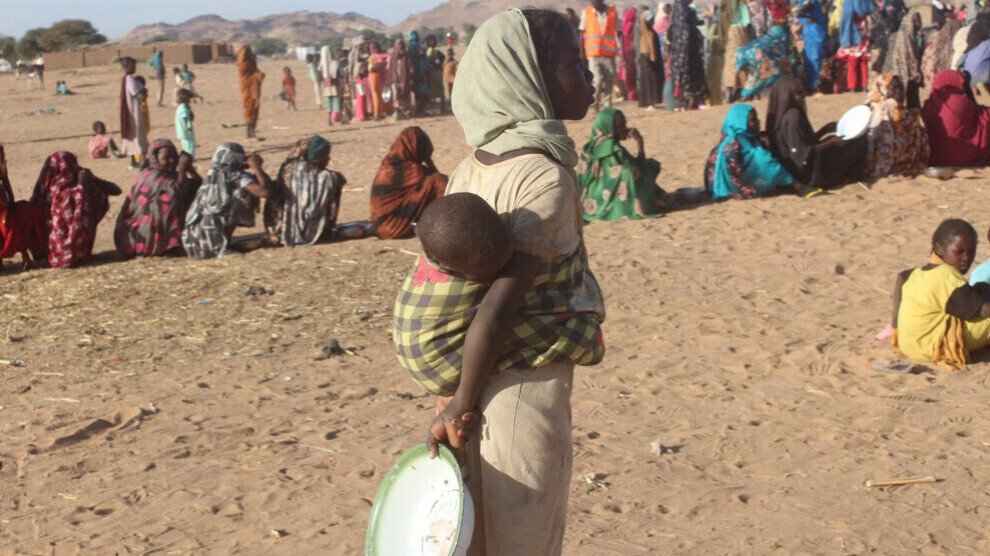
News Center – As the conflict expands and the number of internally displaced persons rises, Sudan is experiencing a deterioration in humanitarian conditions amid international warnings that the crisis is escalating to unprecedented levels. At the same time, humanitarian access efforts are faltering due to continued fighting and the collapse of essential services in several areas.
The United Nations Office for the Coordination of Humanitarian Affairs (OCHA) warned on Monday, January 5, that violence is exacerbating the deteriorating humanitarian situation for civilians besieged in Al-Dulayng by the Rapid Support Forces. It expressed concern over reports of drone attacks on the city of Al-Dulayng in southern Sudan, which resulted in civilian deaths and injuries several days ago, calling for the protection of civilians at all times.
The "Doctors of Sudan" network had previously warned of an imminent health and humanitarian catastrophe in Al-Dulayng, as the Rapid Support Forces continue their siege and intensive bombardment of the city. The city has suffered for months from siege and repeated artillery and drone attacks.
The three states of the Kordofan region (North, West, and South) have witnessed violent clashes between the Sudanese Army and the Rapid Support Forces for weeks, causing the displacement of tens of thousands of residents. Since April 2023, conflict erupted between the Rapid Support Forces and the Sudanese Army, leading to exacerbated famine and one of the worst humanitarian crises in the world, in addition to the deaths of tens of thousands and the displacement of nearly 13 million people.
The Rapid Support Forces control all five state capitals of the Darfur region in the west of the country, out of a total of 18 states. Meanwhile, the Sudanese Army imposes its control over most areas of the other 13 states in the south, north, east, and center, including the capital, Khartoum.
The Darfur region represents about one-fifth of Sudan's area, which exceeds 1.8 million square kilometers, while the majority of the population, numbering about 50 million, live in areas under the control of the Sudanese Army.