
law
-
Tunisian Press Faces a “Real Setback” and the Syndicate Calls for Unifying Ranks
Decades of struggle and conflict for the free word were waged by Tunisian journalists, so that the sun of the Tunisian revolution would rise, pushing with a heavy blood bill of victims. But that dream did not last long.
-
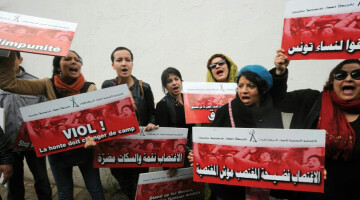
Blaming Victim Instead of Perpetrators: Controversy Over Child Yaqeen's Case
Tunisian activist Dhouha Klali said Yaqeen's case revived victim-blaming, noting discussion went beyond demanding accountability for aggressors to burdening the child and her mother with responsibility.
-
Lawyer: Recognition of the Kurdish Language Must Be Accompanied by Legal and Constitutional Guarantees
Lawyer Rozif Kanno said recognizing Kurdish as a national language isn’t enough, stressing clear legal and constitutional protection ensuring education, official use, and preventing discrimination.
-
"Stricken and Besieged": Tunisian Journalists Launch Campaign to Save and Support the Sector
Tunisian journalists launched a solidarity campaign with the press and detained colleagues,saying the sector is “stricken and besieged,”warning of dteriorating conditions and hinting at a protest strike.
-
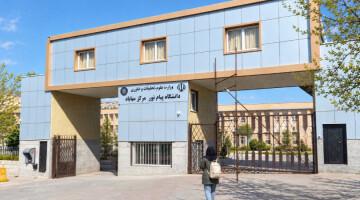
Tightening Academic Restrictions Narrows the Horizons of Iranian Women
The synchronization of internal and external restrictions in the university field has made the horizons of study and research before Iranian academics more difficult, and academic women may be more affected by these restrictions than others.
-

Raziye Öztürk: Resolving the Kurdish Issue Requires a Legal and Institutional Framework Beyond Disarmament
Lawyer Raziye Öztürk confirmed moving from political statements to sustainable peace requires clear legal and institutional steps, addressing Abdullah Öcalan’s legal status, and enabling his political participation.
-
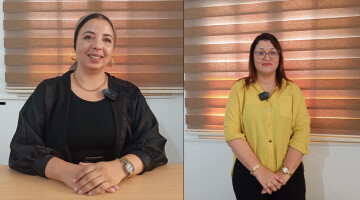
Women at the Heart of Conflict... Escalating Violations and Voices Demanding Protection and Justice
Women's suffering in conflict zones extends beyond battles, harming rights and security, requiring their inclusion in solutions that protect and deliver justice.
-
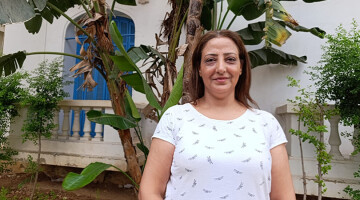
Incitement Campaign Targets Tunisian Female Journalist and Calls for Holding Those Responsible Accountable
Tunisia's journalist safety observatory head Khawla Chabchoub said journalist Yosra Belali faced a gender‑based defamation and incitement campaign on social media.
-
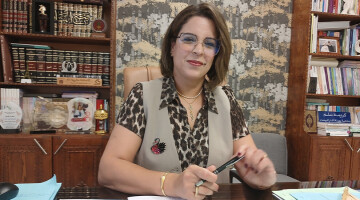
After Three Decades Without Execution… Why Is the Death Penalty Still Present in Morocco?
Thirty three years after Morocco's last execution, the death penalty persists in legislation and rulings, while debate continues over deterrence and abolition.
-
Lawyer: We Need A Legal Revolution and for Women to Have a Role in Drafting Laws
Syrian women endure forced marriage, pregnancy, sexual assault, and unregistered unions amid war and displacement, increasing legal and social barriers to justice.
-
From Ayaat Al Rifai to the Public Sphere... Why Does the Cycle of Violence Against Women Never Stop?
The case of Ayaat Al Rifai reopens the file of violence against women in Syria, amid questions about the effectiveness of the law, the protection of victims, and the risks of the culture of guardianship and violence transferring from the family to society
-
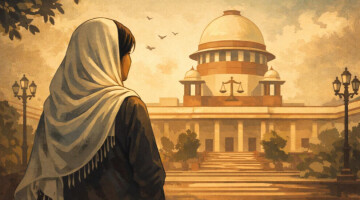
Violence Without Punishment… Women of Religious Minorities Face Discrimination Within the Courts of the Islamic Republic
In Iran’s legal system, punishment for killing a non-Muslim is not equal to that for killing a Muslim, as qisas may be dropped or reduced when the killer is Muslim and the victim is not.
-
Freedom of Expression... A Constitutional Right That Clashes with Defamation Campaigns and Targeting of Women
Although freedom of expression is a right guaranteed by the Iraqi constitution, its exercise on the ground still faces challenges and pressures, particularly for women journalists, activists, and human rights defenders.
-
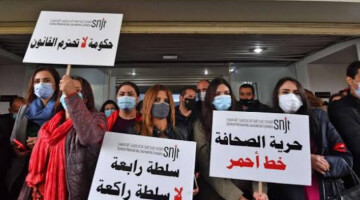
Iraqi Women Journalists Between Professional Pressures and Legal Protection Gaps
The experience of Iraqi women journalists reveal that press freedom is not linked to legal texts alone, but to the extent to which institutions can provide actual protection and hold accountable those behind threats and violations.
-
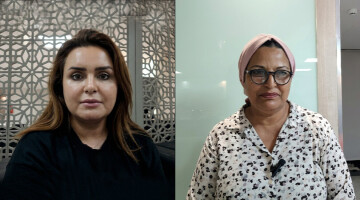
70 Years After the Personal Status Code... Feminists Fear a Rollback of Gains
Feminists in Tunisia are fighting to protect women's gains, particularly the Personal Status Code, given its significance as an influential legislative experience in the region and Africa.
-
Amna Asgari: Children’s Rights Must Become a Public Demand in Iran
"Amna Asgari, child rights activist, called for documenting violations, strengthening civil society, and demanding free quality education for Iranian children."
-
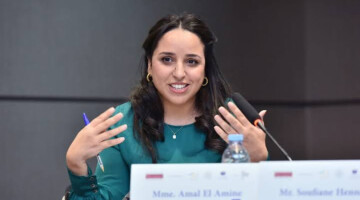
Her Friend's Experience Led Her to Fight Against Child Marriage in Morocco
"Amid Morocco's Family Code revision debate, social, economic, and cultural factors perpetuate child marriage, robbing girls of education and choice."
-
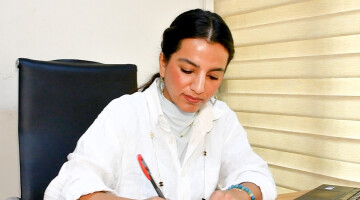
One Year After Ja’fari Code Asoption: Women’s Rights at Center of Debate
Since the amendment’s adoption, the Ja’fari Code has sparked widespread debate over its potential impact on the Iraqi family, particularly regarding marriage, custody, divorce, and women’s and children’s rights.
-
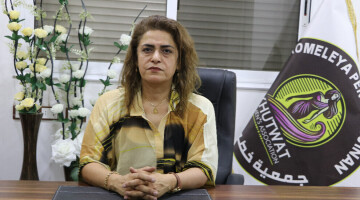
“Khatwat Al-Nisa”: A Legal and Social Space for Defending Women’s Rights
“Khatwat Al-Nisa,” founded by a group of women lawyers in Rojava, works to raise women’s legal aearness, provide support, and contribute to establishing social and transitional justice in Syria.
-

Lawyer: Women's Participation in Political Life Is an Inalienable Right and an Essential Path to Justice
Lawyer Qamar Shalghin affirms that documenting violations in As-Sweida was a crucial step toward protecting women, seeking justice, and ensuring their participation in political lfe and decision-making.