
Eight Years of Displacement and Returnees to Afrin Demand Justice
Afrin's displaced people insist on return, demanding security, property restitution, and accountability after years of forced displacement and demographic changes in Rojava.
NAGHAM JAJAN
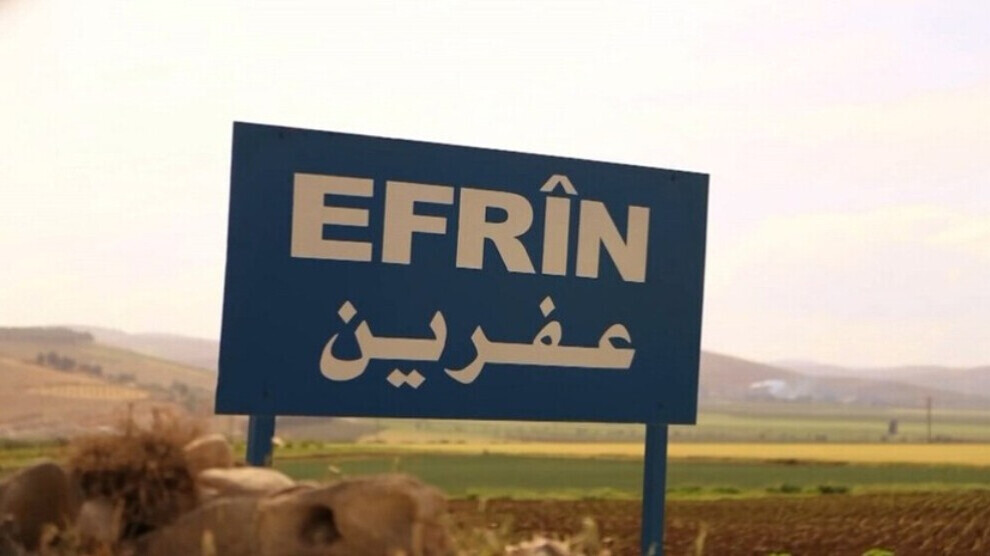
Qamishlo — The military operation launched by the Turkish state on Afrin in 2018 was not merely a military confrontation but carried profound political, social, and cultural dimensions, most notably the imposition of demographic changes and attempts to alter the region's identity. While forced displacement and war left harsh effects on the population, the people of Afrin's connection to their land remained stronger than attempts to uproot them, as the land represents their identity, language, culture, and collective memory—not just a place to live.
Despite years of displacement, the people of Afrin have maintained their belief in return and continued to defend their right to their land wherever they found themselves. The issue of Afrin is no longer merely a humanitarian matter but has become a political file linked to the region's future and ongoing political and diplomatic understandings.
The suffering of the people during the years of displacement was not limited to the loss of homes, lands, and livelihoods but included a wide range of violations against civilians, from property confiscation and the imposition of demographic change to arrest, abduction, extortion, and coercion. Women were the most affected, with many subjected, in the absence of legal protection, to grave violations including arrest, torture, violence, and sexual assault.
Clinging to the Land Despite Destruction
With the political and military changes in Syria and the agreements that paved the way for the return of the displaced, return convoys began heading successively to Afrin—a scene that restored hope to thousands of families after years of forced displacement. Despite the scale of destruction and losses, residents insist on rebuilding their city and reclaiming their lives on their land.
Returnees affirm that genuine return is only complete with a safe and stable environment that guarantees civilian protection, preserves their rights, and prevents the recurrence of violations. They also emphasize the need to return confiscated properties to their owners, disclose the fate of the missing, provide basic services, and hold perpetrators accountable—ensuring a dignified return and closing years of suffering.
"Seven Convoys Have Returned So Far"
Thuriya Mustafa, a resident of Afrin who was forcibly displaced in 2018, said that their primary demand is safe return, dignified living on their land, and rebuilding their lives.
She explained that the agreement signed on January 29 between the interim Syrian government and the Syrian Democratic Forces (SDF) included a fundamental clause related to the return of the displaced. "After many years, people have returned to the places where they were born and grew up. Just thinking about it gave us hope; today it has become a reality. So far, seven convoys have returned to Afrin, and the return process continues."
Widespread Destruction and Cutting of Olive Trees
Thuriya Mustafa spoke about the scale of destruction left by armed factions, noting that many homes were destroyed or burned, while large areas of olive groves were vandalized.
She affirmed that women bear the greatest burden in this phase. "The responsibility of the family and daily life falls on women's shoulders, so they continue to protect their community and values and strive to build a safe life."
She added: "Large numbers of olive trees, to which people's lives were connected for decades, were cut down. Despite the pain caused by the destruction of our land, fields, and trees, we will rebuild everything that was destroyed. The women who cared for this land are capable of reviving it anew. But what the people of Afrin need above all is security and stability."
Homes Yet to Be Returned to Their Owners
Thuriya Mustafa stressed that the interim Syrian government is required to fulfill its commitments, foremost among them providing security and ensuring residents' return to their homes.
She said: "The authority in Afrin is required, above all, to provide security and stability. The interim government should also implement what it committed to in the agreement, because a number of Afrin residents' homes remain to this day outside the control of their original owners."
She affirmed that providing security is the foundation for community stability, calling on women to unite their ranks and defend their rights. "The women who have returned to Afrin continue to face violations and continue to express their rejection of them. Our demand is simple: to live in peace and dignity. We call on all women to unite and struggle for freedom, and we call on the interim Syrian government to ensure women's participation in all areas of life and to strengthen their role in rebuilding Afrin."