
Misyār Marriage... A Distorted Marriage Based on Commodifying Women and Depriving Them of Their Rights
Klistan Mohammed, head of the Human Rights Office in Halabja, Kurdistan Region, warned that the lack of clarity and regulation around Misyār marriage could open the door to the exploitation of women and expose families to social and legal problems.
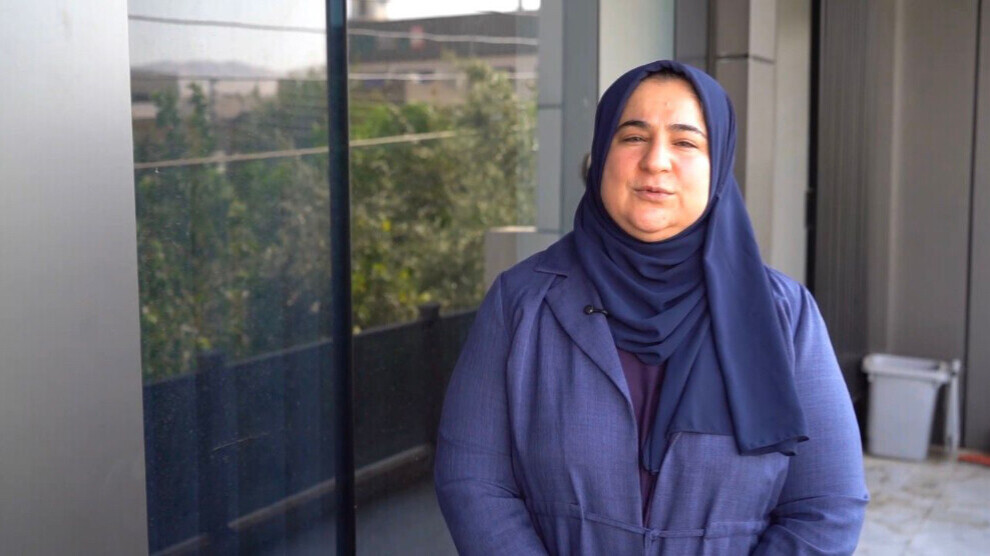
MEHRBAN SALAM
Halabja — Amid rapid social changes, new patterns of marital relationships occasionally emerge, sparking widespread debate within society. Misyār marriage comes at the forefront of these issues, due to the differing opinions surrounding it and questions about its motives and implications, particularly regarding the rights of women, children, and the family.
Misyār marriage is a legally and formally contracted marriage, but the spouses agree not to live together permanently, and the wife may waive some of her rights, such as financial support or the husband's overnight stay, according to the agreement between the parties.
On this, Klistan Mohammed, head of the Human Rights Office in Halabja, Kurdistan Region, said: "As a civil activist working for several years in the social and human rights fields, I believe that political and social conditions have kept society constantly preoccupied with various issues, so that from time to time one topic becomes the main subject of societal debates."
At present, Misyār marriage is one of the most controversial issues on social media platforms, where many opinions and related topics are circulated, sometimes contributing to stirring disputes and deepening divisions within society.
She pointed out that Kurdish society faces more important issues and problems that require discussion and finding solutions, yet Misyār marriage has taken up a large share of attention, and a number of individuals and social and religious institutions have become preoccupied with debating it. While some reject it, others support it, and a third group raises questions about its feasibility and the benefit it could bring to society.
How Are Women's and Children's Rights Protected in This Type of Relationship?
Klistan Mohammed said: "We must, after reviewing the backgrounds and sources of this issue, know precisely what is happening in society. We should ask: If a woman enters a Misyār marriage, what will happen? Could it have an impact on the woman and her children? How are women's and children's rights protected in this type of relationship? And if a problem arises, how is it addressed?"
Therefore, she believes that "it is necessary for the relevant authorities to speak seriously about this issue and provide clarifications. The role of government institutions in this area is also important and must be treated with seriousness."
She gave an example: "On social media, there are various pages and accounts operating under the name of institutions or official pages, but behind the scenes, they may have commercial activities or even activities related to human trafficking. Some of these pages publish inappropriate content, and groups and gangs can expose women and young people to various risks and problems."
For this reason, our interviewee believes it is essential for the Ministry of Interior, the offices and directorates concerned with domestic and social violence, as well as the cybercrime directorate, to work seriously on these issues, especially in places where there are suspicions of human trafficking or the use of social media to harm people.
"Regulations and Guidelines Are Essential"
She stressed that it is also necessary for the Ministry of Culture and media‑related authorities to publish topics in a responsible and professional manner, with an appropriate filter for harmful content. In turn, more topics that serve society and its interests should be presented, as well as the factors leading to the building of a calm and sound society.
Klistan Mohammed expressed her surprise at society being preoccupied with a single issue, while important topics are neglected amid this environment and these social complexities: "Society has now, to some extent, become divided into two camps—one always in favor of a particular issue, and another against it. Therefore, it is necessary to establish regulations and guidelines, especially from religious scholars, to clarify the issue in a clear and neutral manner regarding its legal and religious permissibility, what is lawful and unlawful, and the legitimacy of this type of marriage."
In conclusion, Klistan Mohammed said that the role of civil society and social activists is important, particularly in fostering a correct and responsible dialogue: "This issue should be discussed within the framework of guidance, rights protection, and legal texts, so that people's rights and interests are protected. Because the issue is not limited to the existence of a marriage contract; it is important to know how the rights and interests of women, children, and society are protected. No one should be content with merely witnessing a contract or registering a relationship—rather, the rights and interests of all parties must be protected in a legal and humane manner."