
A voice from Kobani... When art becomes a message of struggle
Art is an effective means of expressing society's concerns and issues, giving individuals the ability to convey their voices and influence their surroundings, especially in difficult circumstances that require powerful and impactful tools of expression.
Silva Ibrahim
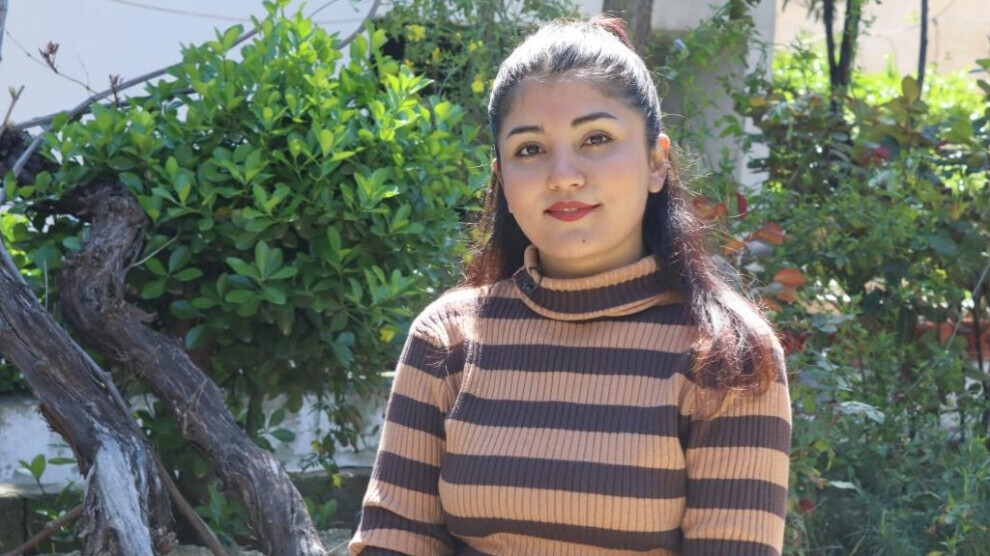
Kobani — The experience of young artist Salafa Buzi embodies a model of a struggling woman who managed to balance her family life and artistic career, turning art into a message through which she expresses the issues of her society and enhances the presence of Kurdish culture.
Art is a profound human means of expressing social and political issues, especially in societies that have suffered from wars and cultural marginalization. Through it, individuals can convey their voices and defend their identity. The role of women in using art as a tool for change and influence is particularly prominent.
In this context, the experience of artist Salafa Buzi from the city of Kobani stands out as a living example reflecting the power of art in resisting challenges and promoting Kurdish culture, which has faced attempts at eradication for centuries.
Art as a force of resistance and identity
Salafa Buzi, 24 years old, is a mother of two daughters and a member of the Golden Crescent Movement. She discovered her talent for singing at an early age and received encouragement from her family to participate in artistic events and activities since childhood. She says: "I began my artistic activity in elementary school days with the 'Falak' group, which consisted of seven people. That was my first step in going public. I not only sang with groups but also sang individually. My first experience gave me confidence, and I experienced a different feeling of happiness and pride because I sang in my Kurdish language at a time when speaking Kurdish was banned during the Baath regime."
She noted that art gives a person a different feeling and style in expressing social issues, the reality of war, and revolution. Even in family relationships, art plays a prominent role in expressing emotions in an impactful way that can make a difference. She explained: "We keep up with societal changes and try to play an influential role in issues related to the revolution, society, and especially women. During the past period, we have been able to produce many songs appropriate for each stage we go through. When the Tishrin Dam was attacked by the Turkish occupation, we composed many songs about the resistance of female and male fighters and the popular resistance that the dam witnessed at that time."
She affirmed that the role of art is not limited to the singing aspect; all branches of arts are capable of creating change and playing this role, whether through painting, theatrical works, or poetry. "Art addresses human emotion, so it has the ability to create the energy for change from within. This highlights the power of art to influence society; it is a weapon capable of facing dangers just as a soldier faces his enemy's attacks with his weapon."
She pointed out that "in the difficult times a society goes through, every artist must see themselves as responsible for finding a solution and bringing their society's voice to the public." She added that art is a way to release negative energy from within a person, and a comfortable corner that people turn to when feeling bored.
The Golden Crescent Movement: A space for honing women's talents
Salafa Buzi also touched on the role of the Golden Crescent Movement in supporting women to bring out their talents: "The Golden Crescent provides a space that gives women confidence, support, and the necessary training to hone their talents. It also stands out as an artistic voice expressing the women's revolution in Rojava. This movement has succeeded in eliminating the societal mentality that prevented women from practicing their creativity and has opened the way for them to take the stage and show their abilities with confidence."
She spoke about her artistic experience, affirming that combining the roles of artist and mother is not easy, but willpower can overcome difficulties. She explained that she is careful to balance her artistic work and family responsibilities.
She added that her children acquire their talent instinctively as a result of her continuous practice at home, which prepares them to become emerging artists in the future. She affirmed that she will continue to support them to play their role in reviving Kurdish culture and art in the face of attempts to erase identity by introducing foreign cultures.
Salafa Buzi continues her artistic activity alongside her family role, benefiting from the Golden Crescent Movement's support in developing her talent and contributing to works that express society's issues and enhance the presence of Kurdish art and culture.