
Upcoming Palestinian Elections: What Role for Women Amid Calls to Prioritize Ceasefire?
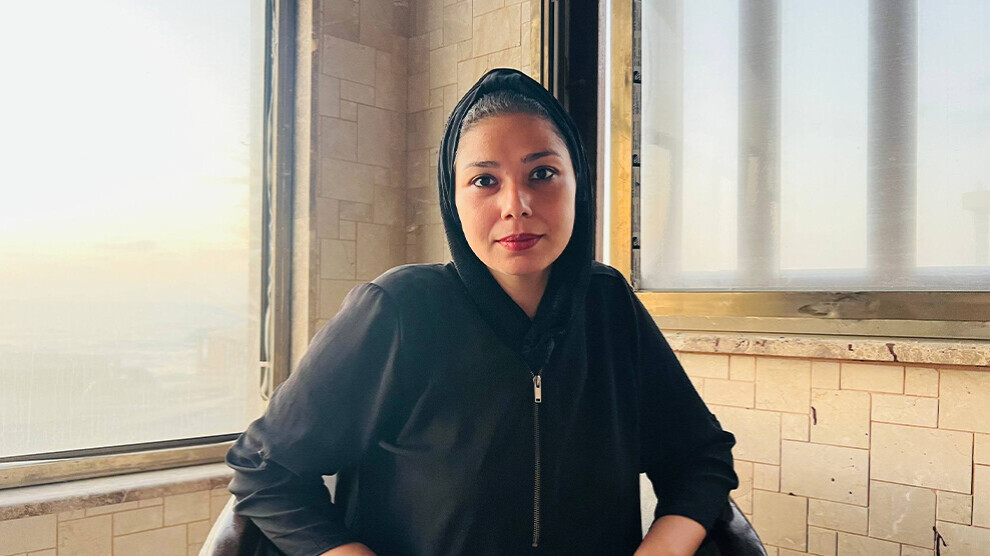
Political analyst Jivara Taha questions the timing of elections amid Gaza's devastation, noting women have paid the highest price yet remain marginalized in decision-making positions.
RAFIF ESLIM
Palestine — Palestine is preparing, according to a decree issued by President Mahmoud Abbas, to hold legislative elections, followed by presidential elections in the first quarter of 2027. The Central Elections Commission is working on the necessary administrative and technical preparations. However, the most important question remains: What is the role of women in this phase, and what benefit will they gain from it?
Commenting on this, political analyst and journalist Jivara Taha stated that it is currently illogical to announce elections in the Gaza Strip after it was neglected for 20 years, and after an attack that destroyed life's landmarks and sent its residents to hell, not to mention the repeated prior attacks. She questioned: Have the southern governorates of Palestine—the stricken Strip specifically—been remembered today, where there is no security, no safety, no peace, no freedom, and not even a homeland?
Lack of Stability and Worsening Suffering
She noted that currently, the majority of Gaza residents have lost their homes and are sitting under pieces of fabric in the summer heat and the coming winter cold. "How can we tell these people to go out and vote? Who are the figures that can be nominated, and more importantly, what can be offered under the current situation? Where will citizens go to vote? The schools used for elections are sheltering displaced people with no empty space. Will they be evicted to receive voters?"
She added that Palestinian elections, despite their importance, cannot be separated from the developments the Palestinian scene has witnessed since 2004, noting that "there are Palestinian factions still outside the framework of the Palestine Liberation Organization," criticizing "the PLO's performance regarding the Gaza Strip."
She affirmed that the priority at this time must be to stop the war and protect children, women, and youth urgently and immediately, rather than preoccupying with legislative or presidential elections.
She noted that previous elections confirm an important point: Gaza residents do not vote but choose between what is available, and perhaps the decision on which lists win is made in advance, not to mention the 2006 elections and the ensuing crimes of killing, house burnings, and the displacement of many families.
She explained that before discussing elections, "we must talk about having a president who bears full responsibility and carries out his duties. The smallest example is unemployment. Despite Gaza's very small land area, we are among the most unemployed globally, with literacy rates at their lowest compared to other countries." She noted that the division file has not ended, nor have the issues of prisoners, casualties, and social affairs.
Women Pay the Highest Price Yet Remain Outside Decision-Making Positions
She believes women have no role in these elections, despite paying the highest price for twenty years through their patience and endurance. She added that women in the Middle East in general have not received their rights, and Gaza is no exception—all decisions remain ink on paper.
She explained that all international decisions stipulate the necessity of protecting women and helping them gain their rights, but where is the actual implementation? She affirmed that the current phase in Gaza should be led by women, as they can rebuild and move rubble, and can coexist with all these conditions. She noted that we have all witnessed what men's leadership has done to the stricken city and its innocent residents, who now need a period of calm and peace to restore psychological balance and the dignity they lost during displacement.
She emphasized that Palestinian women, even in the absence of war and during elections, face difficulty achieving gains befitting their role, whether in reaching high positions or enhancing their presence in decision-making positions.
She added that the post-October 7 period has made women's demands more urgent, affirming that even if elections are held, women will not find real support and will have to rely on themselves, away from electoral programs and what she described as hollow promises. She cited as evidence that the majority of figures who presented those programs are now outside the Strip, managing economic files they consider more important than women's issues.