
Iraq's social security laws fail private-sector women workers in practice
Iraqi law expanded social security for working women, but weak enforcement deprives thousands in the private sector of their rights amid oversight calls.
TAMANI AL-SARWI
Baghdad — Social security and pensions constitute one of the most important pillars of economic and social protection for working women, providing job stability and securing their future after years of service. In recent years, Iraqi legislation has witnessed amendments aimed at expanding the inclusion of women workers in the private sector under these rights. However, opinions among specialists and workers in this sector differ regarding the extent to which these laws reflect on practical reality.
While legal authorities affirm that legislation has done justice to women and provided them with extensive guarantees, workers and activists believe that the real problem lies in the weak enforcement of these laws and the continued deprivation of thousands of women from benefiting from them.
From the Legal Perspective
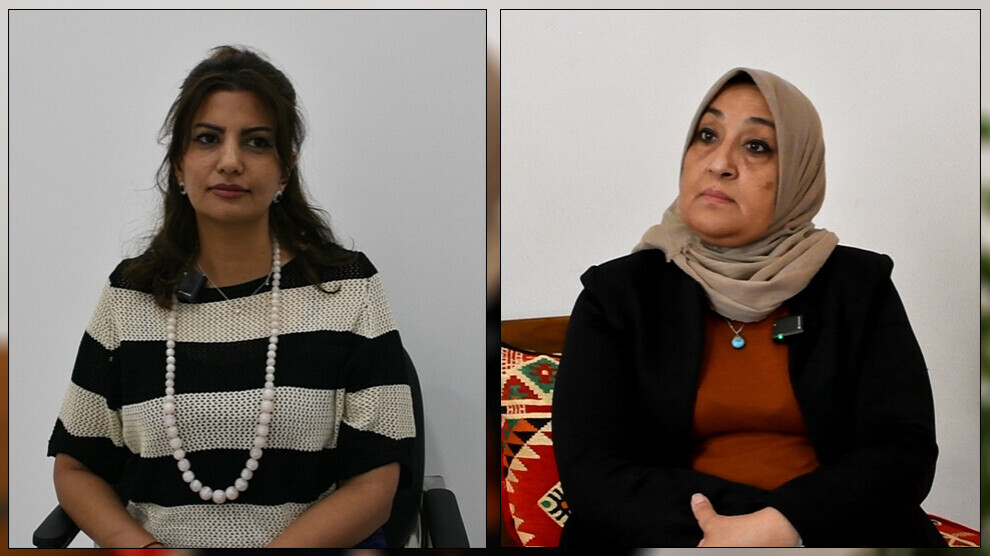
On the legal side, legal expert Azhar Al-Dulaimi states that Iraqi legislation has guaranteed working women their rights to retirement and social security, affirming that the Retirement and Social Security Law for Workers No. 18 of 2023 constituted an important milestone by separating the retirement rights of public sector employees from the social security rights of women workers in the private sector.
She explains that permanent staff employees are subject to the Retirement Law, while the Social Security Law covers women working in private companies and private institutions, as well as owners of home-based projects, who can now also register and benefit from social security.
She adds that the law grants women workers in the private sector privileges similar to those enjoyed by public sector employees, including the regulation of working hours at eight hours per day, regular leave and pregnancy and maternity leave, in addition to regulating years of service and retirement entitlements.
She notes that the law took into consideration the nature of women's work in the private sector, setting the retirement age for those covered by social security at 58 years, compared to 60 for public sector employees, upon completion of the required years of service.
She also affirms that Law No. 18 of 2023 expanded the scope of coverage, no longer limited to women workers in licensed institutions, but also allowing owners of home-based projects and those working in private activities to register under social security. She points out that regulatory authorities have intensified campaigns recently to compel private companies and institutions to register their workers, and that a significant proportion of private projects have become compliant, while the need to strengthen oversight continues to achieve full coverage of all workers.
Azhar Al-Dulaimi believes that the Labor Law has also provided legal protection for women workers, as any worker who experiences injustice regarding wages, working hours, or any other entitlement can approach the Ministry of Labor and take legal action to claim her rights.
The Absence of Law Enforcement
However, this view is not entirely consistent with the reality of women workers in the private sector, according to employee and activist Ruaa Khalaf, who believes that the problem does not lie in the laws themselves, but in the absence of their actual enforcement.
She affirms that social security and pensions represent a safety net for workers, because years of work should end with a guarantee that ensures a dignified life after the end of service, which is what drives many young people toward government employment in search of job stability.
She explains that the Labor Law No. 37 of 2015 and the Retirement and Social Security Law for Workers provided a clear legal basis for the inclusion of women workers under social security, yet these legislations, in her description, still lack effective implementation tools on the ground.
She notes that the number of those covered by social security remains limited compared to the size of the private sector workforce, pointing out that their organization has only managed to register over six thousand male and female workers—a figure that does not reflect the true size of the Iraqi labor market, which includes large numbers of workers in the informal sector.
She indicates that thousands of women work in environments that provide no legal or social protection, and that awareness about the importance of social security, while important, is insufficient unless accompanied by genuine oversight that compels employers to register workers.
She calls for activating the role of the Ministry of Labor, trade unions, civil society organizations, and regulatory authorities, affirming that the prevalence of informal work leads to the loss of many years of women workers' service without being counted or entitling them to any future retirement benefits.
She believes that the absence of institutional and political will to enforce laws leaves thousands of women and men working in the private sector facing an uncertain professional future, despite legislation guaranteeing them these rights.
While legal expert Azhar Al-Dulaimi affirms that Iraqi legislation has provided an integrated legal framework for the protection of working women in social security and pensions, employee and activist Ruaa Khalaf believes that this protection will remain incomplete unless legal texts are translated into tangible reality within workplaces.
Between these two views, the most prominent challenge remains bridging the gap between law and application, ensuring that social security and pension rights reach all women workers in the private sector without exception.