
Environmental Crisis in the Kurdistan Region: Unregulated Investment Devours Nature
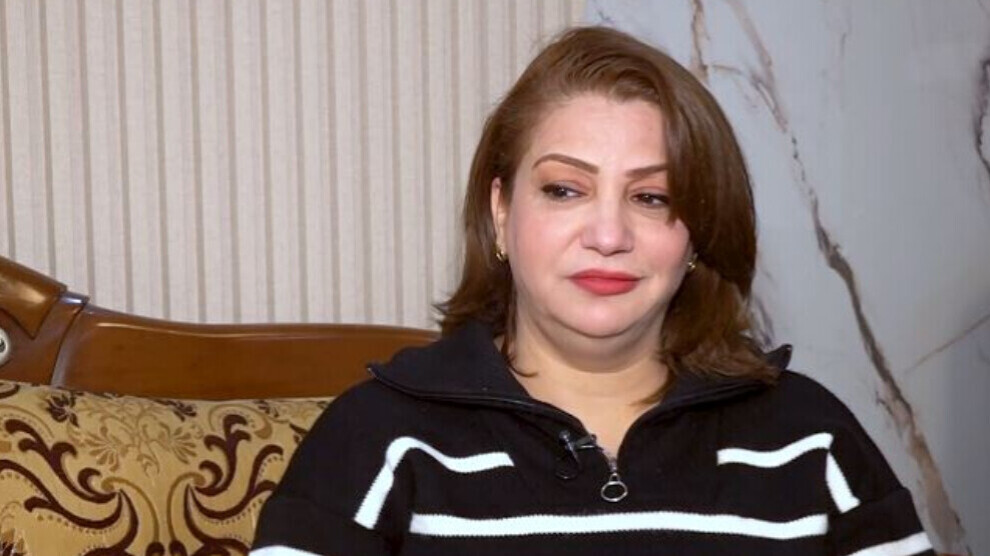
Activist Trifa Fereydoun emphasized that protecting the environment starts with individual awareness and education, alongside the necessity of imposing strict regulations on projects to limit pollution and ensure a healthy and sustainable environment.
HELEN AHMED
Sulaymaniyah _Amid the escalating environmental crises in the Kurdistan Region, a wave of investment projects has deepened the depletion of the environment. Many investors focus on economic expansion and increased industrial activity without considering the long-term environmental impacts, contributing to the degradation of natural resources, such as water and air pollution and the exacerbation of climate change.
Current generations are seeking to change this course by pressuring governments and companies to reduce carbon emissions and limit policies that prioritize economic growth over environmental considerations. The capitalist system and the economic facilitation policies pursued by those in power have been a fundamental factor in environmental destruction.
Although industrialized nations linked their economic progress to increased production and consumption, which left clear negative impacts on the environment, a broad segment of citizens and youth today believe that economic development should not come at the expense of the environment, and that sustainable economic growth can only be achieved by protecting the environment and conserving its resources.
An Environmental Activist's Perspective
Environmental activist Trifa Fereydoun believes that the global environment is heading towards further deterioration and pollution, and that environmental problems are worsening day by day. She says: "The increase in the number of cars and the construction of commercial towers are among the most prominent global environmental challenges. These projects are presented under the slogan 'increasing green spaces,' while in reality, they lead to environmental destruction and the reduction of natural areas."
She pointed out that the capitalist system and the policies of investors worldwide have directly contributed to accelerating the pace of environmental degradation, as residential and commercial projects are built to generate profits for a specific category of capital seekers, at the expense of nature and its resources. "This reality is clearly reflected in the Kurdistan Region as well, where its environment is subject to continuous depletion."
She added: "In the city of Sulaymaniyah, despite the greenery and wide natural areas that Mount Kweza once enjoyed, these areas are shrinking day by day due to the commercial and investment projects being established in their place." Emphasizing that mountain residents and visitors are well aware of the health and psychological benefits of fresh air and nature, but these natural areas are now facing extinction.
She mentioned that investment projects within cities are expanding rapidly, leading to the removal of many heritage areas, workshops, and historical places to make way for new projects, posing an additional threat to the environment and the city's cultural identity.
From Homes to Mountains: The Path of Deterioration
Trifa Fereydoun explained that village residents previously lived in mud houses surrounded by gardens, and most homes were not without trees and plants. "Currently, none of these are planted inside houses anymore. Although technology has facilitated many aspects of life, our environment is experiencing continuous degradation."
She affirmed that "environmental protection must start from our homes by reviving green spaces, then focus on the mountains and nature around us to restore our relationship with nature." Pointing out that "women have a pivotal role in rebuilding the environment. When a mother raises her child, she instills in the next generation the values of cleanliness and respect for nature from their early years. Also, women in their daily lives leave the least negative impact on the environment and continue their efforts to maintain the cleanliness of their surroundings."
Chaotic Urban Planning and Its Impact
She stressed that factories are now being established close to residential areas without considering the health or quality of life of residents. Then, new residential projects are in turn built near those factories, leading to unorganized urban expansion that gradually pushes residential neighborhoods towards industrial areas. Conversely, new factories are also built adjacent to villages, threatening the natural environment of those areas and undermining the lifestyle of their inhabitants.
She explained that the Tanjaro area is a clear example of this imbalance, as it is a residential area, yet slaughterhouses continue to operate within it despite the significant pollution they cause. "Establishing factories near villages has led to the decline of the surrounding natural environment. Also, the entry of a large number of cars into the Kurdistan Region, in the absence of any environmental oversight or controls, has contributed to accelerating environmental degradation. In cities, most family members own private cars, which exacerbates pollution and negatively affects the health of residents and the environment."
Solutions: From Education to Accountability
She confirmed that investment projects and factory construction need clear controls and instructions, and that violators must be held accountable by the responsible authorities. Expressing regret that the concerned authorities are lenient with these violations and allow environmental pollution in exchange for achieving their own interests.
She emphasized that education is the foundation for protecting and rebuilding the environment of the Kurdistan Region anew, as building a conscious generation is the first step towards a clean and sustainable environment. "Teaching children from their early years about cleanliness and respect for nature will make them more capable in the future of protecting the environment and reviving green spaces in various areas."
She clarified that individual awareness is a central element in this path, as every person must realize their responsibility towards the environment. Calling for the necessity of strict adherence to instructions for building residential projects and factories, and not leaving them in the hands of stakeholders who seek to facilitate their work by evading taxes and penalties, leading to environmental destruction.
Conclusion and Call to Action
At the end of her talk, Trifa Fereydoun pointed out that fuel stations have caused significant damage to the environment and humans, and that moving them away from city centers is an important step towards improving the environmental situation. "Everyone must work to expand green spaces in cities, because living in a healthy environment is the foundation for a sound and stable life."