
Clımate Change Doubles Women’s Vulnerable and Imposes Adaptation to Heat Waves
With rising temperatures and worsening climate change, women's vulnerability grows, especially agricultural workers, amid health, economic, and social effects requiring adaptation, awareness, and protection.
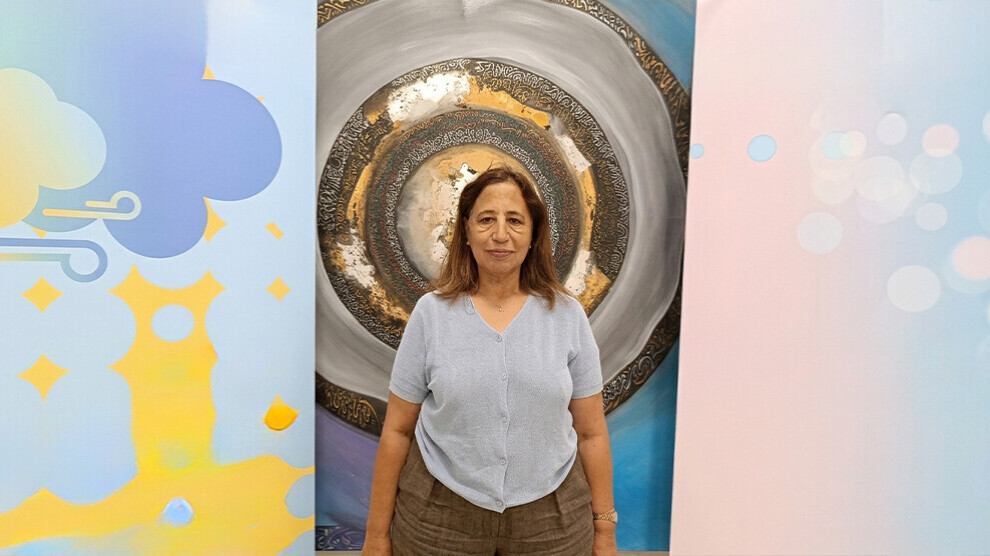
NAZIHA BOUSAIDI
Tunisia – Despite the arrival of autumn, temperatures remain high, and clear indicators of the growing intensity of climate extremism are evident. Women are the group most affected and most vulnerable socially, health-wise, and economically from this continuous rise in temperatures.
In this context, expert in climate change and energy Dalila Ammar told our agency: "Energy represents more than 70 percent of the causes of greenhouse gas emissions that harm the ozone layer, and the more energy consumption increases, the more the ozone layer is harmed."
She added: "In recent years, we had information dating back to 1700 and 1800, when we began monitoring temperature and the amount of carbon on our planet. During that time, temperatures witnessed acceptable changes and nature could return to its normal state. But since 1980, temperatures began to rise very significantly because of our consumption of a lot of energy with the industrial revolution."
She explained that all societies have witnessed clear changes, which pushed a number of international organizations to conduct studies on sources of carbon emissions. These studies showed that about 70% of carbon emissions come from the energy sector that we consume, and greenhouse gases are also produced by various industrial activities.
In this context, many international treaties and agreements were concluded aimed at reducing the emission of these gases, especially gases resulting from the use of refrigerants, due to their significant impact on the greenhouse effect.
Dalila Ammar considered that adopting renewable energy, such as solar energy produced from a natural source, will have a positive impact on the planet, especially the ozone layer, and thus reduce the intensity of heat and its repercussions, particularly on weak and fragile groups, foremost among them women present in all fields and linked to agriculture and the land.
She pointed out that the woman working in the agricultural sector, instead of working one hour under the scorching sun, works two hours for the sake of her children and family. She is the one who bears all the negative repercussions of rising temperatures and is exposed to sunstrokes, reaching the point of death, like the woman who died during the summer inside homes equipped with air conditioning. She noted that rising temperatures and climate change have no borders, and any emission of greenhouse gases will have an impact on all countries of the world and all groups. Therefore, every state must make its effort in this direction.
Heat and Gender
Dalila Ammar explained that work has also focused on studying the impact of climate change on gender, given that women socially belong to fragile groups, and a significant proportion of women are active in the agricultural sector and suffer from limited and unstable income.
She explained that the repercussions of climate change are reflected more on this group, through their impact on the nature of agricultural activity, the quality and productivity of products, in addition to the decline in exports as a result of lower quality. These factors combined contribute to the shrinking of job opportunities and the exacerbation of the economic and social fragility of women working in the agricultural sector.
On how to protect women in extreme heat, she says that women endure and are very patient in their work under the scorching sun. Therefore, they need care, guidance, framing, and health awareness about how to protect themselves from the heat of the sun. She added that women need framing regarding the use of cooling devices with heat, how to move around, and adapting work times in line with climate changes.
Regarding women, she explained that there are programs for framing, awareness, and training, alongside many workshops and training courses organized with the support of some donors. Women are present in various fields, whether in agriculture, industry, administration, or inside the home, and therefore they are in turn affected by environmental and climate changes.
Dalila Ammar confirmed that women, as heads of the family and responsible for managing household affairs, directly feel the effects of these changes and are affected by them. Therefore, she stressed that "reducing their effects requires collective efforts and a change in some of our behaviors and lifestyles," calling for rationalizing electricity and water consumption, and searching for ways that ensure comfort and well-being inside the home at the lowest possible cost and with the least energy consumption.