
New Development in the Cemile Doko Case…Arrest Campaign Targets 15 Individuals
Turkish authorities detained 15 people across provinces for tampering with evidence in Cemile Doko's disappearance, following 12 prior arrests in the same case.
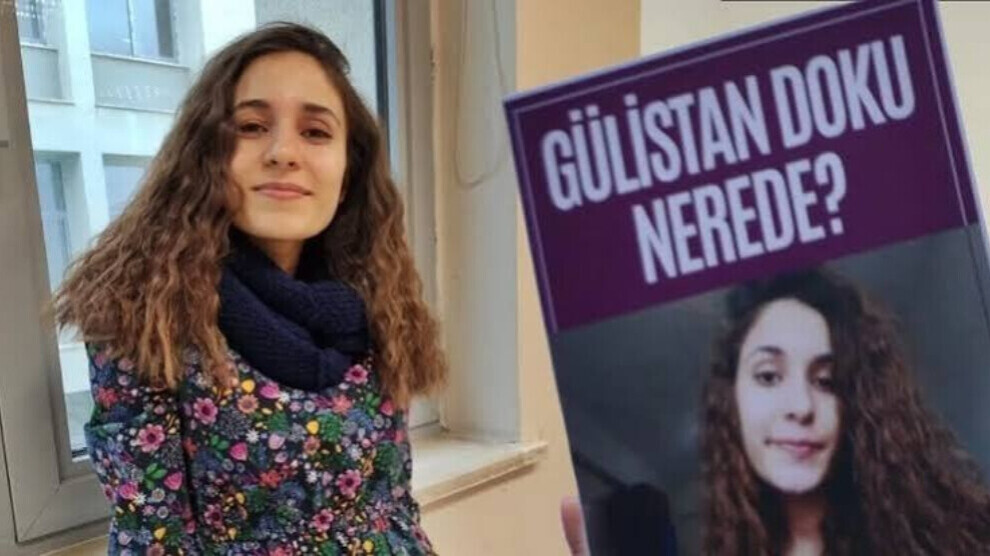
News Center_The case of the disappearance fo university student Cemile (Kilistan)Doko, which has remained shrouded in mystery since early 2020, is witnessing a new development as the scope of investigations led by Turkish authorities expands.
The investigation into the disappearance of university student Cemile Doko has widened, following simultaneous raid operations conducted by Turkish authorities in several provinces, resulting in the detention of 15 individuals suspected of involvement in tampering with evidence and digital data related to the case file, which has continued to occupy public attention since Doko’s disappearance in early 2020.
According to what News Center reported, the detention orders came in accordance with directives from the Chief Public Prosecutor’s Offices in Erzurum and Tunceli.
Security forces carried out raids at dawn last Tuesday in the provinces of Elazığ, Malatya, Ankara, Istanbul, and Dersim, detaining 15 individuals as part of the ongoing investigation.
The list of detainees includes three doctors, a nurse, an information technology department employee, five data entry personnel, in addition to Handan Sonal—wife of former Tunceli Governor Tuncay Sonal—and the owner of a company specializing in information technology suspected of tampering with Cemile Doko's phone, as well as a businessman and two village guards.
Preliminary information indicated that the detainees are under investigation on suspicion of carrying out acts aimed at influencing evidence and digital data related to the Cemile Doko disappearance file, within the framework of the ongoing judicial process to uncover the circumstances of the case.
These developments come months after the detention and arrest of 12 individuals in April 2026, including former Tunceli Governor Tuncay Sonal and his son Türkay Sonal, a step that was considered at the time a significant turning point in the investigation.
Background of the Case
The case dates back to January 5, 2020, when Cemile Doko, a second-year student in the Child Development Department at Munzur University, disappeared after leaving the university dormitory where she was residing in the city of Dersim, and no news of her was heard since that day.
Immediately following her disappearance, her family traveled from the city of Amed (Diyarbakır) to Dersim and reported the matter to security authorities, initiating extensive search and investigation operations covering multiple areas.
Investigations revealed that the last signal from Cemile Doko's mobile phone was recorded on the Sarı Saltuk Bridge overlooking the Uzunçayır Dam Lake, prompting rescue teams to conduct intensive search operations within the dam lake, which, however, did not result in finding any trace of the missing student.
Despite the suspension of official search operations in October 2022 after field efforts were exhausted, Cemile Doko's family continued their legal and media campaigns to demand the uncovering of their daughter's fate and the accountability of those responsible for her disappearance.
In January 2024, the family, through their defense team, submitted a request to the Public Prosecutor's Office demanding the arrest of the primary suspect, Zeynel Abarakov, who had been released under judicial supervision, as well as demanding the inclusion of Engin Yücer in the list of suspects, after he had been dismissed from his position in the security apparatus.
The family also filed a lawsuit against former Tunceli Governor Tuncay Sonal, accusing him of abuse of power, based on allegations that he was aware of the primary suspect's smuggling out of the country.
Investigations remain ongoing, amid continuing demands from Cemile Doko's family and human rights organizations for the full truth regarding her disappearance to be revealed, and for those responsible for any potential tampering with evidence or obstruction of justice to be held accountable.