
Newroz Holiday and Memories of Oppression During Baath Rule
The Kurdish people in Syria, especially in the regions of Rojava, are preparing to celebrate the Newroz holiday. However, memories of being prevented form celebrating during the years of Baath Party rule are still in minds.
Nagham Jajan
Qamishlo — With the outbreak of the Rojava Revolution in 2012, the Kurds returned to celebrating Newroz freely and openly. It continues to be a symbol of resistance, the restoration of rights, and a living testimony that no force can break free will. Every year, Kurdish women light the Newroz fire and preserve their heritage and identity.
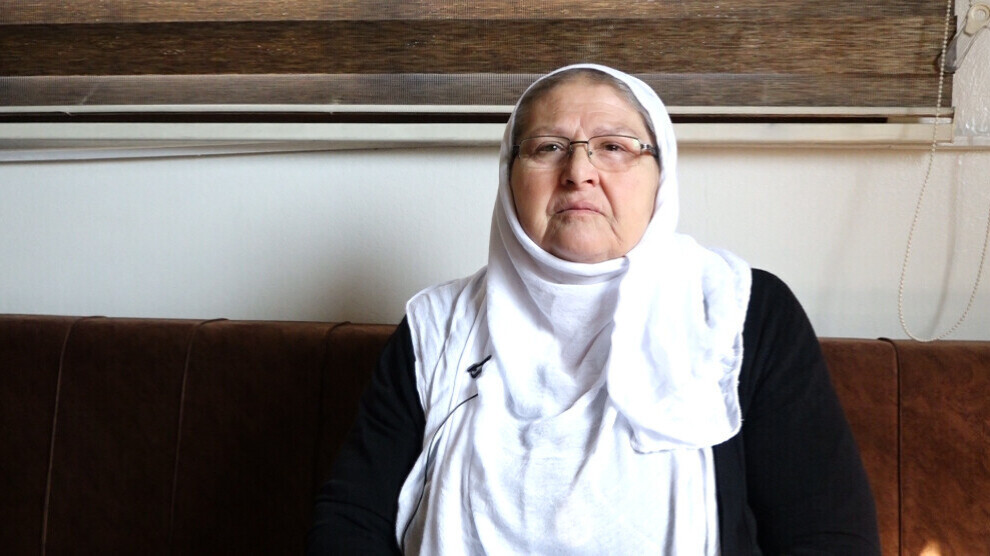
Nafiya Assad, a member of the Women’s House in the city of Qamishlo in Rojava, recalls those days and says that the Kurdish people in Syria faced many difficulties.
“The Baath regime committed great injustice against the Kurds. The Kurdish component was oppressed and deprived of celebrating the Newroz holiday that we inherited from our ancestors.”
She added:
“I remember when I was a child, we could not go out to celebrate Newroz. We used to light candles and small fires inside our homes. We would tell our mother that it was Newroz and that we should celebrate it outside, but she would answer that the Baath regime would come and kill us, and that was why we were afraid to celebrate it.”
She continued:
“Sometimes my mother would take us to a faraway place so we could dance and celebrate Newroz without the surveillance of the security forces.”
“We faced danger for celebrating until 2011”
Boys and girls who lit the Newroz fire were imprisoned for years by the Baath regime. Even the Arab population did not know why Kurds were forbidden from celebrating. She says:
“We once went to a valley, and it started raining. To shelter from the rain, we went to the house of an Arab family. They welcomed us warmly and asked us in surprise why the Baath regime did not allow you to celebrate Newroz.”
Her family was treated with love and respect by that family.
“They were happy to see us and helped us return home, but security forces attacked them saying, ‘Why did you release them?’ We managed to escape and each of us went in a different direction. Whenever Newroz approached, the regime intensified its repression. They even monitored cars, fearing that we were heading to celebrate.”
Until 2011, this was the situation for Syrian Kurds. Anyone who celebrated was arrested and tortured in detention centers. It was considered a matter of national security for the party that raised the slogan of Arabism against all other components.
“In prison, the jailers would tell the detainees: ‘Why do you light the Newroz fire? We will not allow this celebration.’”
The fear of Newroz reached the point where even looking at the fire from afar was dangerous. Nafiya Assad says:
“My son was arrested on the road and asked, ‘Why did you look at the Newroz fire?’ He was detained. On one occasion, firefighters even came to extinguish the Newroz fire burning in front of our house.”
Celebrating Newroz is considered a national cause for the Kurdish people, she emphasizes:
“We went out and celebrated Newroz with broken hearts. I said even if my ten children were in prison, I would still go out and celebrate Newroz.”
After the start of the Rojava Revolution on July 12, 2012, the situation changed through the struggle of a people who refused oppression.
“We reclaimed that land with our own hands so our people could celebrate Newroz there. We were born Kurds and we will remain Kurds, and we are proud of our Kurdish identity. Women were often attacked, but despite everything, we celebrated.”
“Hundreds of young people were martyred for Newroz”
Nafiya Assad pointed out that the Baath regime deprived them of their rights, culture, and existence.
“Teachers in regime schools closed the doors in the faces of our children so they would not come and celebrate Newroz. The Baath regime took away our rights, our culture, our existence, and everything.”
She explained:
“In the year when the Rojava Revolution began, we lit the Newroz fire. Three of our young men went to wear Kurdish traditional clothes, and the Baath regime killed them. Hundreds of young people were martyred for Newroz, and despite everything we continued celebrating.”
Replacing the holiday to prevent the celebration
Celebrating Newroz was such a crisis for the former regime that it declared March 21 as Mother’s Day in order to prevent its celebration.
Nafiya Assad says:
“A young man named Suleiman entered the presidential palace of the Baath regime and demanded the right to celebrate Newroz, but he was killed by the Republican Guard. The Kurdish response was decisive: we will rise up and celebrate Newroz no matter the cost, and no one will say that the Kurds are dead — we exist.”
“We are proud of our revolution”
Regarding the policy of division used by the former regime among the peoples of the region, she said it incited Arabs against them.
“In the early years when we were able to celebrate, some Arabs attacked us with stones and smashed our cars. We understand their position because they were victims of the Baath regime’s rhetoric. It is good that the revolution happened and that we ended those policies.”
“Thanks to the revolution, the blood of the martyrs, and the ideas and philosophy of leader Abdullah Öcalan, the Kurdish people today celebrate all their holidays with pride and freedom. We are proud of our revolution.”
Kurds of Afrin celebrate in their city
Nafiya Assad also spoke about recent positive developments regarding the return of displaced people to Afrin.
“We are very happy that the people of Afrin will celebrate in Afrin this year. We hope every displaced person will return and celebrate Newroz in their homeland. I say to all our people: go out and celebrate Newroz in Kurdish traditional dress.”
She concluded by emphasizing the role of those who sacrificed their lives for this right:
“On all our occasions we go to the martyrs’ cemetery, light candles on the graves, and say: you are alive in our hearts and you will never die.”