
Morocco… Verdict Postponed in the Case of Activist Saida Al-Alami
The Casablanca Court of Appeal has postponed issuing its verdict in the case of Moroccan activist Saida Al-Alami until December 17, following her trial on charges of insulting an organized body and spreading false news on social media platforms
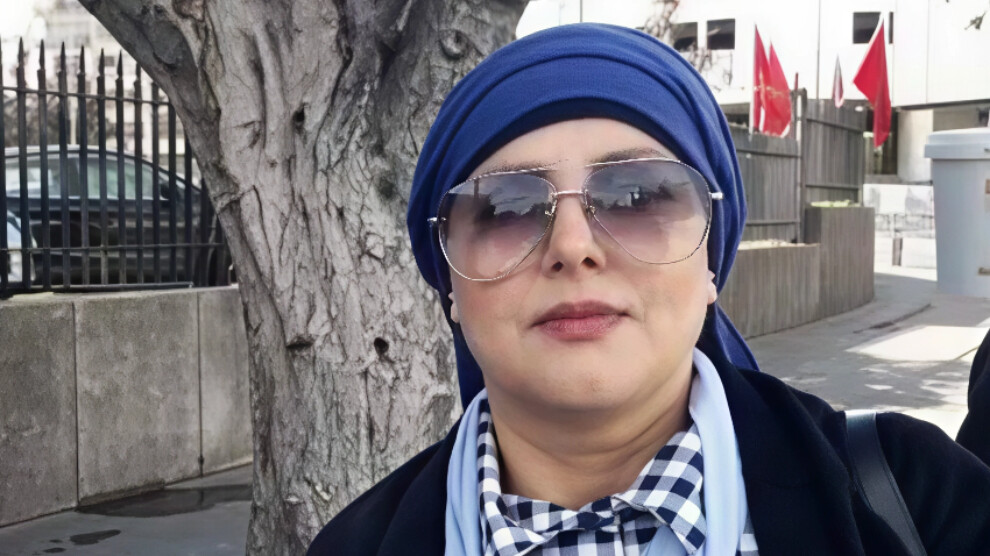
Morocco — The case of Moroccan activist Saida Al-Alami has sparked widespread debate over the state of digital freedom of expression for women. Human rights defenders point out that women face greater targeting and increasing online violence, while authorities affirm that judicial measures are carried out within the framework of the law. The case is being closely followed by human rights actors.
The Casablanca Court of Appeal decided to postpone the case of Moroccan activist Saida Al-Alami to December 17 for the issuance of a verdict, following a new session in her appeal trial. She faces charges related to insulting a legally constituted body and spreading false news on social media platforms.
Saida Al-Alami, known for her digital activism and criticism of several public policies through posts on her social media accounts, is being prosecuted after she was initially sentenced to three years in prison and fined 20,000 Moroccan dirhams. She has been in detention since last July. This is her second trial in less than a year, following her release under a royal pardon in 2024.
Al-Alami’s case comes within a broader context related to the increasing number of cases linked to freedom of expression online, particularly among bloggers and women activists who have found themselves facing legal action over the content of their posts or the opinions they express.
Defenders of freedom of expression argue that such cases raise particular concerns when they involve women using digital spaces to speak out on social or human rights issues. This highlights the fragility of women’s digital freedom of expression compared to men, especially given their frequent exposure to “online violence” that may precede or accompany legal prosecution.
While judicial authorities stress that these proceedings are conducted in accordance with the law, human rights activists emphasize the need for stronger protections for freedom of expression online—particularly for women, who appear more vulnerable to targeting, criticism, and defamation on social media platforms.
The trial of Saida Al-Alami has reignited debate over the limits of digital criticism and the space available for women to express themselves without fear of legal repercussions, at a time when virtual platforms are becoming increasingly important arenas for public debate in Morocco and the region.
A final ruling in Saida Al-Alami’s case is expected on December 17, amid close monitoring by observers and human rights advocates. The anticipated verdict is expected to serve as a new indicator of the state of digital freedom of expression for women in Morocco.