
Families of 1988 Massacre Victims Renew Calls for Justice
Iranian families of 1988 massacre victims, barred from Khavara Cemetery, persist in demanding justice for executed loved ones despite ongoing threats.
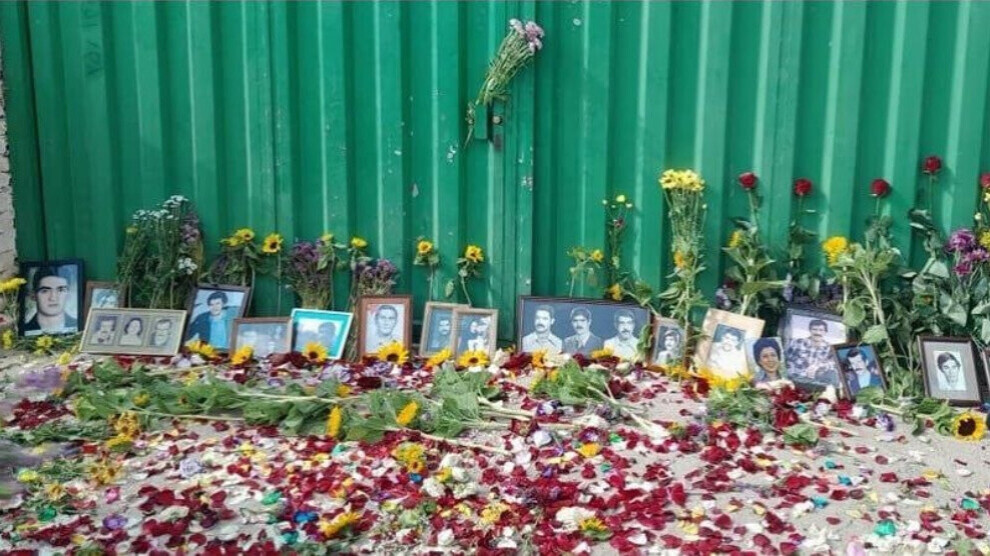
News Center_ Families of the victims of mass executions in Iran demanded permission to enter Khavaran Cemetery on the 38th anniversary of the massacre of political detainees, after being prevented by security forces from visiting their loved ones' graves.
On the 38th anniversary of the massacre of political detainees in Iranian prisons, a group of families seeking justice for the victims of the 1960s executions and the summer 1988 massacre headed to Golzar Khavaran Cemetery to honor their loved ones' memory, but once again found the gates closed.
Security forces closed the cemetery entrance and prevented families from visiting their relatives' graves. Despite this, families held commemorations for all political detainees executed in the 1960s in secret, by placing photos of their loved ones and chanting religious hymns.
The massacres of the 1960s, particularly the 1988 executions, represented the harshest form of repression inside Iranian prisons after the revolution. Thousands of political detainees belonging to various opposition parties and groups were sentenced to death in summary trials known as "Death Committees," and the sentences were carried out collectively.
Thirty-eight years after that massacre, families still insist on demanding justice and continue to visit Khavaran Cemetery despite facing threats, harassment, and the destruction of their loved ones' graves, affirming their determination to hold those responsible for this crime accountable.
It is worth noting that the Iranian authorities carried out the 1988 massacre against thousands of political detainees in prisons. The executions were carried out after the formation of special committees known as the "Death Committees," which rapidly interrogated prisoners before issuing death sentences. The operation was conducted in complete secrecy, and the victims were buried in mass graves, the most prominent of which is Khavaran in Tehran.