
Ebola outbreak in eastern Congo accelerates amid fears of widening infection scope
Ebola outbreak escalates in eastern DRC with hundreds of suspected and confirmed cases. WHO warns of regional spread due to weak health infrastructure and rare strain with no approved vaccine.
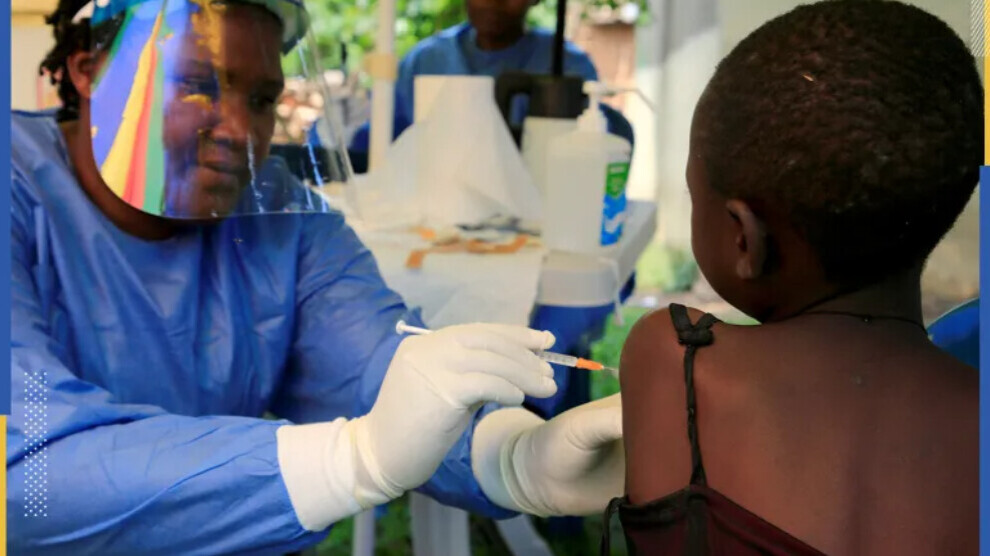
News Center – Weak infrastructure in Congo has contributed to the spread of the Ebola virus, as the lack of health facilities hinders rapid response efforts to curb the outbreak and increases risks to local communities in affected areas, in addition to its spread to neighboring countries.
The Ebola virus outbreak continues to increase in eastern Democratic Republic of Congo, according to official data released by the Congolese Ministry of Health today, Friday, May 22, which announced that the number of suspected cases has risen to 671, including 64 laboratory‑confirmed cases and 160 deaths, among them six laboratory‑confirmed deaths.
The ministry indicated that the actual numbers may be higher, given reporting difficulties and weak epidemiological surveillance systems. The outbreak is currently concentrated in Ituri province in the northeast of the country, near the borders with Uganda and South Sudan. This is the 17th Ebola outbreak in Congo since the virus first appeared in 1976.
The outbreak is linked to the rare "Bundibugyo" strain, for which no approved vaccine or treatment is yet available, further complicating containment efforts and raising international concern.
The World Health Organization has warned that cross‑border movement and weak health infrastructure in affected areas could contribute to the transmission of the infection to neighboring countries, affirming that the risk of regional spread remains high.
In Uganda, health authorities have reported no new cases after two Congolese citizens were detected; one died, while the second tested negative for the second consecutive time.
These developments come as the World Health Organization has declared an international public health emergency, in an attempt to enhance international coordination and intensify field support to limit the spread of the virus.