
Tehran Journalists’ Union warns of crisis threatening the survival for media institutions
The Tehran Journalists' Union revealed unprecedented deterioration in media institutions' conditions due to economic pressures, technical restrictions, rising production costs, declining ad revenues, and effects of international internet shutdowns on digi
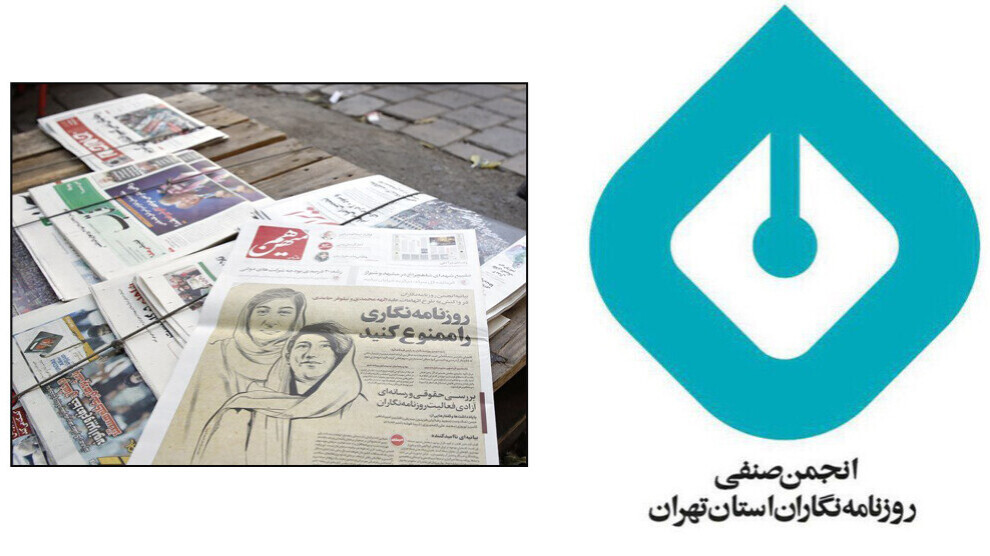
News Center_ The media landscape in Iran is facing a sharp deterioration due to comprehensive and continuous internet outages that have reached unprecedented levels, leading to near-total paralysis in the flow of information and news, and reducing audience access, viewership, and revenues.
The Legal and Media Union of Journalists of Tehran Province for the Freedom of Press Practice announced in a statement issued yesterday, Thursday, April 9, that media outlets are gaining increasing importance under current circumstances in enhancing social awareness and consolidating national solidarity, affirming that media institutions face fundamental challenges hindering their performance as a result of economic pressures and weak supporting infrastructure.
The statement noted that the rapid rise in production costs, especially regarding paper and printing processes, along with declining advertising revenues and repeated internet service outages, has led many print and electronic media to face severe difficulties threatening their ability to continue performing their professional duties.
The union affirmed in its statement that restrictions on communications and the shutdown of international internet have had a deeper impact on online media, reducing audience access, viewership, and revenues for these media outlets.
According to the statement, as a result of these conditions, some journalistic outlets have been forced to reduce their pages or limit their activities, while a number of media outlets have completely ceased their activities. The statement pointed to a wave of layoffs in the recent period that has led to the unemployment of a number of journalists—a problem that, according to the union, in addition to financial pressure, causes the loss of part of the country's professional media capacity.
The Tehran Journalists' Union reported that it had previously made intensive efforts to prevent layoffs of workers in the media sector, but these efforts yielded only limited results. It called for urgent measures including reducing the costs of paper and printing, improving access to communication infrastructure, providing support to journalists who have lost their jobs, and enhancing channels of dialogue with trade unions, affirming its full readiness to cooperate with relevant authorities to improve the general conditions for media work.