
Testimonies from Kermanshah Document Humiliation and Violence in Streets and Detention Centers
Accounts from citizens in the city of Kermanshah, eastern Kurdistan, indicate an increasing presence of security forces, and a rise in cases of degrading treatment, violence, and abuse in streets and detention centers.
SARA POURKHAZRI
Kermanshah — Accounts from citizens in the city of Kermanshah, eastern Kurdistan, indicate an increasing presence of security forces, and a rise in cases of degrading treatment, violence, and abuse in streets and detention centers. According to residents' testimonies, fear and anxiety have become part of citizens' daily lives.
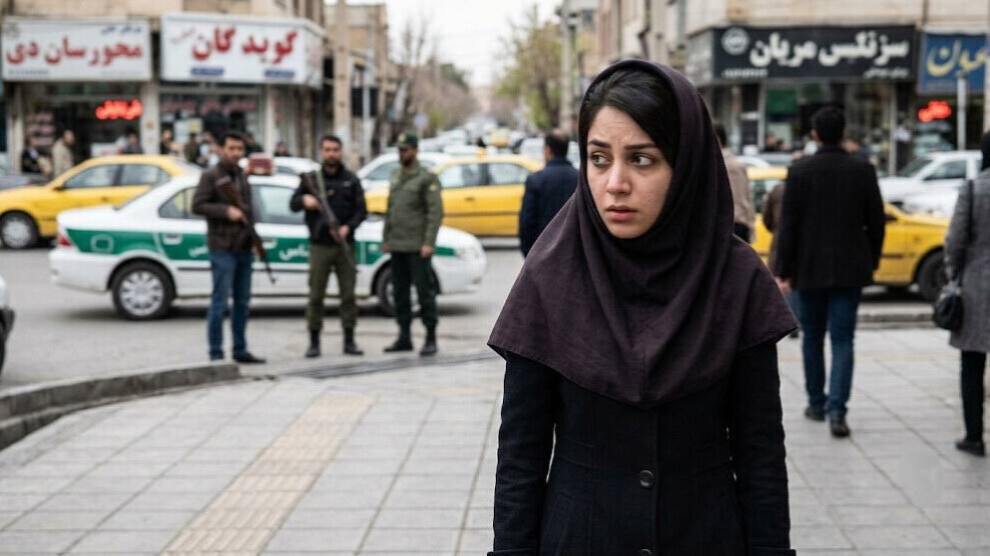
One young woman says: "Unconsciously, I pull my headscarf forward and tense my body when I pass that street. Sometimes my heart pounds so hard I can barely breathe, and I expect at any moment that someone will attack me."
At first glance, this description might seem to speak of crossing a highly dangerous road, but in reality it describes a young woman passing alone in front of a number of police officers—whose presence has become for her a source of terror and anxiety.
Recently, the dense deployment of military and security forces in the streets and intersections of Kermanshah has increased feelings of fear and anxiety among citizens rather than enhancing a sense of security. Local reports and testimonies indicate that citizens have been subjected to detention, interrogation, mistreatment, and humiliation, making fear part of the daily experience of public spaces.
Fear and the Normalization of Anxiety in the Streets
"Y.Q.," who was subjected to humiliation and violence by these forces, says: "It was around eleven at night when the police stopped me. They searched my belongings first, then criticized the stickers on my motorcycle and my clothes. When I argued with them, one of them tore my shirt, and then they started beating me. After that, one of them said I had to curse my mother and sister if I wanted them to let me leave, while they themselves were directing insults at my mother. I became very angry and got into another altercation with them. In the end, after beating me and smashing my motorcycle, they allowed me to leave."
In recent months, Iranian authorities have intensified crackdowns, arrests, executions, and use of violence, as part of a policy aimed at intimidating citizens, raising the cost of protest and dissent, and consolidating power through fear and silencing opposition voices.
"They Told Me: Now You Will Pay the Price"
"Samira.Q.," a twenty-year-old who was briefly detained, recounts what happened to her: "Near Mosadegh Square, several veiled women working with the security agencies confronted me and criticized my trousers. When I argued with them, they took me to a detention center. There, a number of officials began insulting me. One of them said: 'You were challenging us before your arrest, and now you will pay the price.' Then she poured water on my trousers, and they began filming me, mocking me and saying: 'Look, she wet herself from sheer fear.'"
When Humiliation Becomes a Tool of Repression
The humiliation of detainees and their treatment through degrading and inhumane methods has a long history in the Islamic Republic, often associated with threats, intimidation, and psychological pressure. However, in recent months, these practices have become more overt and brazen. Public humiliation is now used not only to abuse the detainee, but also to instill fear in society, demonstrate power, and convey impunity.
Security Officers Who Consider Themselves Above the Law
"Farida.D.," who prepared a report on this issue and has additional information, says: "In the past, there may have been some limited constraints on how security officers treated detainees. But in recent years—especially after the events of December—every officer has practically become the one who issues the verdict and executes the punishment, as if they have been given full authority to arrest anyone they see fit, humiliate them, and subject them to various forms of psychological, physical, and sexual abuse. In one case I know of, a girl who was arrested last June was subjected to a series of sexually humiliating acts and forced to perform degrading acts, before security officers cut her hair."
These testimonies paint a troubling picture of the escalation of abuse and violence during arrests, where legal and human boundaries recede, and humiliation, abuse, and the psychological breakdown of detainees—and even citizens passing on the street—become part of the mechanisms of repression and the exercise of power.