
Lebanon Between Domestic Pressures and Regional Developments... Where Is the Situation Headed?
Amid the complexities of the Lebanese scene, questions are mounting over the mechanism of the "pilot zones" in the south, caught between hopes for de-escalation and fears of further conflict.
RANA JOUNI
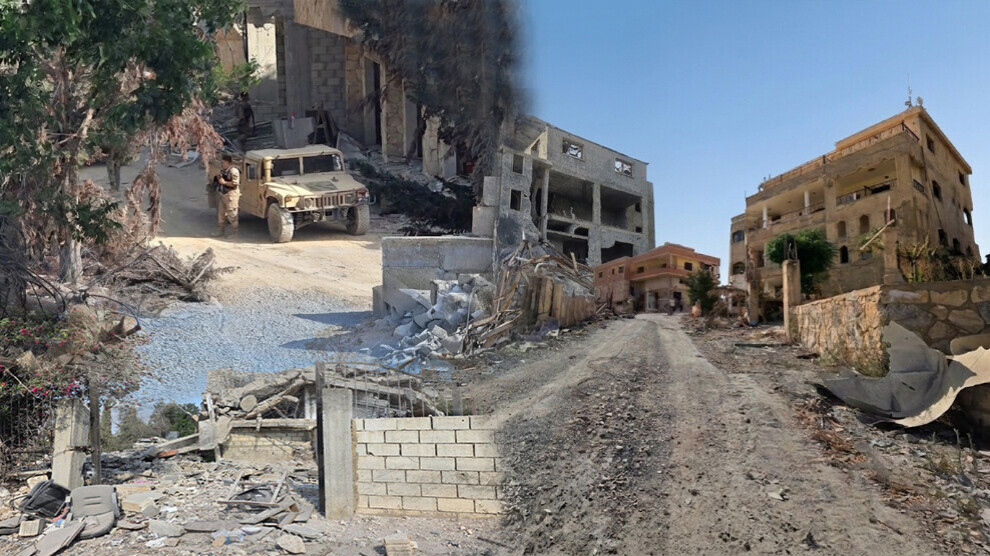
Lebanon — In southern Lebanon, the war has not truly ended, as its repercussions continue through daily detonations carried out by Israeli forces in a number of towns using large quantities of explosives, destroying what remains of homes and infrastructure, and stoking residents' fears of a widening escalation.
Meanwhile, the Lebanese government continues its diplomatic efforts, through indirect negotiations mediated by and conducted with American presence, aimed at consolidating the de-escalation and addressing outstanding issues. These efforts have resulted in the adoption of a mechanism beginning with pilot zones that the Lebanese army has entered, as a prelude to expanding them if the experiment proves successful.
However, the security situation remains highly complex, amid continuing violations and developments on the ground, raising questions about the coming phase: Is Lebanon heading toward a broader military confrontation? Or will escalation remain within controlled limits? How will regional developments reverberate within Lebanon? And what are the possible scenarios on the security and political levels?
A Complex and Sensitive Scene
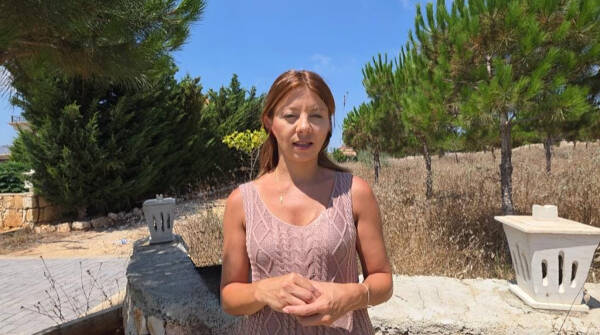
Political analyst Lara Al-Hashem believes the Lebanese scene remains highly complex, particularly regarding the file of the pilot zones whose implementation began in the south, noting that one of these zones started in the town of Zawtar al-Gharbiya, an area that had witnessed Israeli incursions, while Israeli forces remain stationed in the neighboring town of Zawtar al-Sharqiya.
She explains that two zones from the first phase, Fron and Sarafand, were not under direct Israeli military control, considering that this geographic discrepancy raises questions and adds further complexity to both the political and security scenes.
She adds that residents of the southern villages do not view the handover of these areas to the Lebanese state as an achievement in the full sense, since dozens of southern towns that suffered extensive destruction remain outside the framework of normal return, with a large number of their residents still unable to enter them or resume their lives there.
She affirms that nearly seventy towns, particularly those located within the border strip, have suffered near-total destruction, making any talk of achievements on the ground incomplete unless accompanied by a comprehensive response to the situation of these towns and securing the return of their residents.
In her reading of the situation, Lara Al-Hashem considers that if the Lebanese government seeks to achieve — or present — an accomplishment on this file, the scope of the pilot zones must be expanded progressively, and their handover should not remain confined to one or two areas for a prolonged period, since that would empty the initiative of its substance.
She notes that this position intersects with the political stance adopted by both Hezbollah and the Amal Movement, which holds that the scope of these zones must be expanded and the state's return to them completed gradually, affirming that the geographic reality imposes additional complexities on the political scene, since the approach to this file does not enjoy consensus among Lebanese political forces — the parties' visions differ regarding the mechanism for implementing this step and how to handle the border areas, making this file subject to continuous political divergence.
Divergent Political Approaches
Lara Al-Hashem continues that political approaches to this file remain divergent, as both Hezbollah and the Amal Movement consider that what is required is a full and immediate Israeli withdrawal from Lebanese territory, while the Lebanese government adopts an approach based on gradualism, expanding the scope of the pilot zones progressively, in step with the withdrawal of Israeli forces and the redeployment of the Lebanese army.
She believes this approach must be implemented in stages, considering that Lebanon needs to achieve successive steps on this file, since war, in her view, has produced nothing but further bloodshed and destruction, while negotiation remains part of managing the conflict, but through political and peaceful means.
In her reading of the Lebanese scene, Lara Al-Hashem believes the country is heading toward a highly sensitive phase, amid continued security tension and the possibility of widening internal division if political and diplomatic efforts are not completed, noting that residents of the southern regions remain committed to the role of the Lebanese army, as the institution responsible for implementing the decisions of the political authority and bearing responsibility for preserving civil peace.
She considers that current indicators do not suggest any Israeli intention for a full withdrawal from Lebanese territory, noting that the positions of the Israeli government reflect the continuation of this trend, pointing out that Israeli Prime Minister Benjamin Netanyahu faces domestic political pressures, particularly with elections approaching, making him more susceptible to the positions of the hardline right, which pushes toward the option of military escalation — adding further complexity to the scene and keeping the possibility of escalation alive.
Where Are Things Headed?
Regarding the future of the situation, and whether Lebanon is heading toward war or calm, Lara Al-Hashem affirms that the scene remains open to all possibilities, and that it is too early to determine with certainty which direction events will take.
She notes that Lebanon today stands at the intersection of a set of influential factors, foremost among them the electoral contest in Israel, the Lebanese government's decision to confine arms to the state, Hezbollah's insistence on retaining its weapons, alongside the aspirations of displaced southern residents to return to their towns, and the role placed on the Lebanese army in preserving civil peace and implementing the decisions of the political authority, amid the sensitivity and complexity of the Lebanese reality.
She believes these factors combined make it difficult to determine whether the coming phase will move toward further escalation or toward consolidating calm, noting that Lebanon effectively continues to live under the repercussions of the war, with explosions and violations ongoing in the south.
She affirms that the Lebanese scene is no longer tied to internal factors alone, but has also come to be influenced by regional developments, particularly what is happening in Iran, and the repercussions of relations and developments in the Gulf region on the overall picture.
Lara Al-Hashem concludes by affirming that the outcome remains contingent on what the coming days will bring, amid indications that the current phase is highly delicate and sensitive, and that any political or security development could directly reverberate on the Lebanese reality.