
Algeria Faces a Surge in Domestic Violence Against Women
Violence against women in Algeria is not merely a legal issue,but a deep-rooted social and cultual problem. Laws alone are not enough without raising public awareness,supporting survivors, and breaking the barrier of silence.
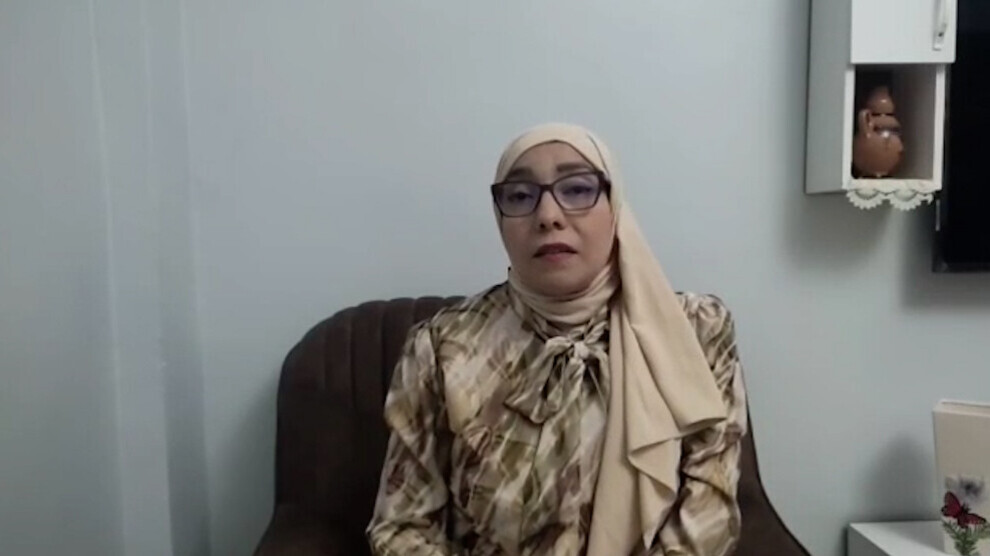
Rabia Khreiss
Algeria – Women in Algeria face multiple challenges, including domestic and societal violence, social restrictions that limit their freedom and prevent them from expressing their suffering, in addition to difficulties in enforcing laws meant to protect them. This often forces them into silence despite ongoing efforts to combat these phenomena.
37 Femicide Cases in 2025
According to data from Feminicide Algeria, 37 women were killed in Algeria during 2025. Most of these crimes occurred after long periods of various forms of violence and mainly inside closed spaces such as homes. The majority of perpetrators were current or former partners, as well as family members such as sons. These crimes fall under assaults against ascendants.
The escalation of such crimes inside the home—supposedly the safest place for women—raises serious questions about the real reasons behind their increase and why existing legal measures have failed to provide adequate protection away from male dominance and the marginalization of women.
Crimes Against Algerian Women
Among the women who suffered violence at the hands of their husbands is Jamila Belhaj (a pseudonym), a young Algerian woman in her thirties. Her husband forced her to beg for money and regularly subjected her to severe beatings, causing serious injuries that required hospitalization and admission to intensive care. She suffered a deep cut on her left hand that almost caused permanent disability, which eventually forced her to flee with her daughter to escape ongoing violence and verbal abuse.
A few days ago, the city of Setif in northeastern Algeria witnessed the murder of a woman in her thirties who was the mother of a child. Preliminary information indicates that her ex-husband killed her by stabbing her in the heart immediately after they left the courthouse, where she had filed a lawsuit against him for failing to pay alimony.
On November 11, the Al-Intissar neighborhood in the city of Relizane was shaken by the murder of a woman in her thirties, a mother of two daughters, who was stabbed several times with a sharp object by her ex-husband in front of her family home.
The Home Takes the Largest Share
Psychologist and family counseling specialist Linda Ghalimi states that “many women prefer fleeing to the streets rather than living with their abusers at home—a place that has become the primary setting for violence against women.” She notes that “women continue to be oppressed despite changes in social behavior and the strictness of the judicial system.”
She also explained that one of the most widespread forms of violence is economic exploitation, pointing out that “some women are deprived of their monthly salaries due to traditions that reinforce male dominance and strip women even of their freedom of expression.”
Added to this economic factor, “recent official statistics reveal that unemployment rates among men are much higher than among women, creating a significant gap within the family. In some cases, women have become the primary breadwinners.”
Silence for the Sake of Apparent Stability
Activist and psychologist Nahla Fertas explains that “violence against women in Algerian society is the result of a complex combination of social factors. Despite improvements in women’s social status through education and their entry into various fields of work, the patriarchal system that prioritizes male authority is still dominant. As a result, marital relationships have turned into arenas of power struggle rather than partnerships based on fairness and equality.”
Based on her professional experience in psychotherapy, she confirms that “the main reason behind the extreme danger of violence in Algeria lies in outdated traditions that normalize male dominance. This has contributed to the normalization of violent behavior across generations and stripped women of real identity, defining their social existence through submission and obedience.”
According to Nahla Fertas, other factors also contribute to the spread of violence: “Women’s silence and secrecy about abuse encourage abusers to continue their crimes and reinforce male dominance. Many women remain silent out of fear of scandal or to preserve a false sense of stability, which reinforces women’s inferiority and the principle of male superiority.” She concluded that violence “is a structural and social phenomenon.