
Shira Osse: No genuine transitional justice without the actual partnership of Syrian women
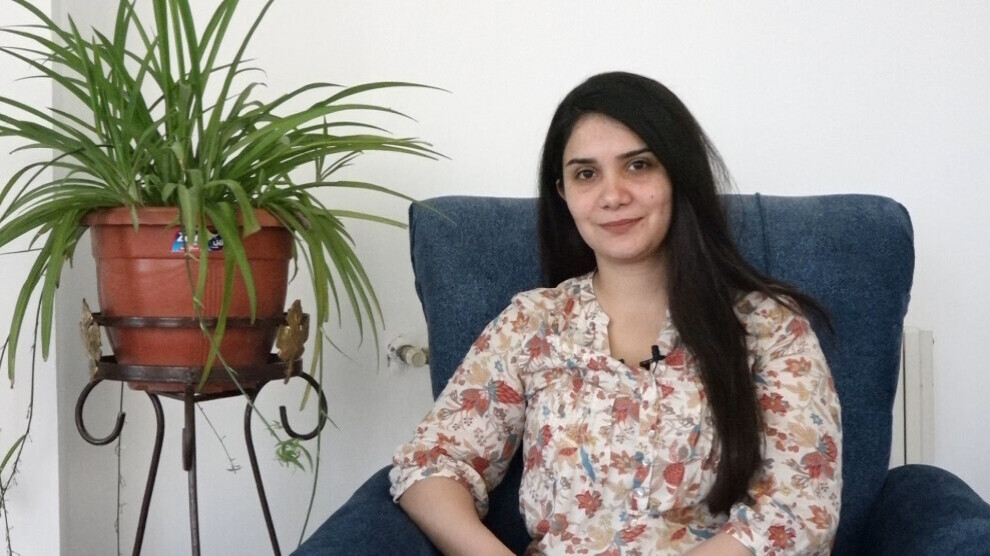
Shira Osse, a member of the Presidency of the Syrian Democratic Council, affirms that the continued marginalization of women empties the political transition path of its content and threatens the chances of building a just, democratic Syria.
Asma Muhammad
Qamishlo — Amid the sensitive transitional phase that Syria is going through, and the escalating political and human rights discussions about Syria's future and the rebuilding of its institutions, calls are increasing to reformulate the political and constitutional process on foundations that guarantee justice, equality, and equal citizenship, ensuring the participation of all components of society.
Women's voices are rising, demanding the genuine integration of women into transitional justice paths and the drafting of the constitution, as essential partners in building the future of Syria.
Shira Osse, a member of the Presidency of the Syrian Democratic Council, affirmed that the profound transformations Syria is witnessing today place the transitional justice path at the forefront of national priorities, as a fundamental entry point for building a country based on accountability and the rule of rights. However, this justice, in her view, remains deficient and incomplete unless Syrian women are genuine and active partners in shaping the features of the transitional phase and formulating the country's future.
She pointed out that the years following the fall of the Baath regime revealed fundamental imbalances in the approach to transitional justice, manifested in the continued marginalization of women despite their leading role in the launch of the Syrian revolution, as they were at the forefront of popular and humanitarian activism and contributed effectively in various fields. She noted that previous constitutions, including the 2012 constitution, did not express women's aspirations but rather entrenched forms of discrimination, especially through personal status laws that restricted women's rights and weakened their presence in public life and decision-making positions.
She explained that the hopes that Syrian women had placed on the post-regime phase to build a system based on equal citizenship and a constitution guaranteeing their rights turned into disappointment, given their continued exclusion from national conferences, weak representation in governance institutions, and their presence being limited to formal representation that does not rise to the level of genuine partnership. She also criticized the limited representation of women in the executive and legislative authorities, considering that current percentages reflect "the absence of a serious political will to empower women."
A real guarantor of women's rights
Shira Osse affirmed that the Syrian constitution must be the actual guarantor of women's rights, not a formal framework, and must be built on the basis of abolishing all forms of gender discrimination, stopping violations and violence against women, while ensuring their full participation in political and diplomatic life and decision-making centers. She stressed that any transitional process that does not genuinely integrate women merely reproduces the crisis and establishes future imbalances.
She also highlighted the experience of the Rojava regions, where organizational and institutional models emerged that enhanced women's presence, both through equal participation in institutions and through active feminist formations that defended their rights and contributed to their protection. She affirmed that these gains are a pillar that cannot be retreated from, and that Syrian women will not accept going backwards or reproducing exclusion policies.
Shira Osse called on the Syrian interim government to review its policies towards women and to make way for women's forces to participate effectively in shaping the next phase, affirming that the advancement of a democratic, pluralistic Syria requires recognizing women's role as full partners in building society and the state, not as marginal or symbolic elements. She concluded by saying: "Syrian women, who have made immense sacrifices, are continuing their struggle to establish a democratic state based on pluralism, justice, and the protection of the rights of all components."