
Women Of Sweida: We See Our Land Burning and Cannot Save it
As fires consume Sweida’s western lands,displaced residents recall lost homes and livelihoods,helpless to reach or extinguish the flames.
ROSHELLE JUNIOR
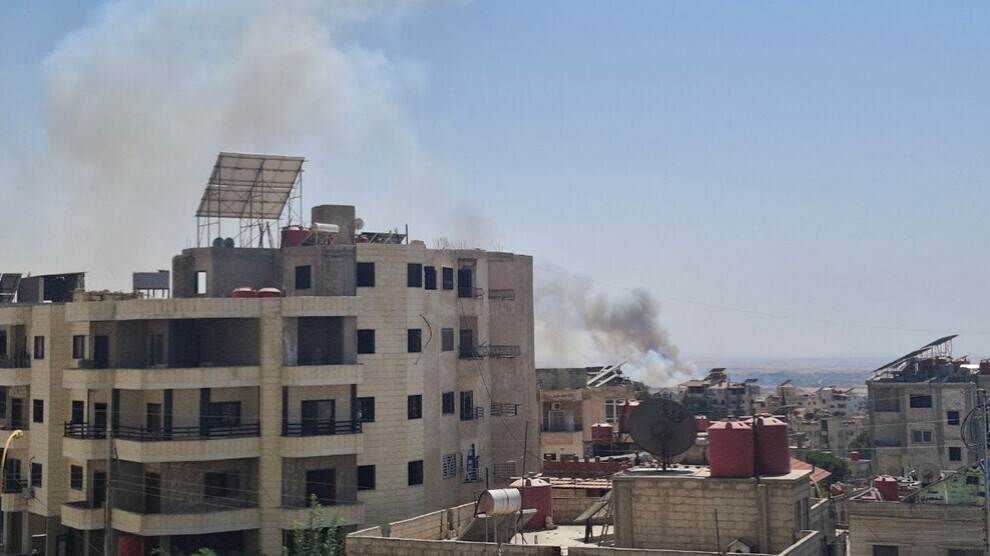
As-Sweida -- The fires raging through the western and eastern villages of the Syrian city of Suwayda have brought back to the minds of displaced women the scenes of forced displacement from a year ago, following the entry of the jihadists of Hay'at Tahrir al-Sham into a number of villages and their seizure of control. As flames and smoke rise from agricultural lands, the same fear and pain return to the residents who stand only a few kilometers from their villages, yet are powerless to reach their lands or save them from the fire.
These scenes raise questions among the residents about who is preventing them from accessing their properties, and why even firefighting teams are not allowed to enter the burning areas—if the fires are caused by high temperatures and are not deliberately set.
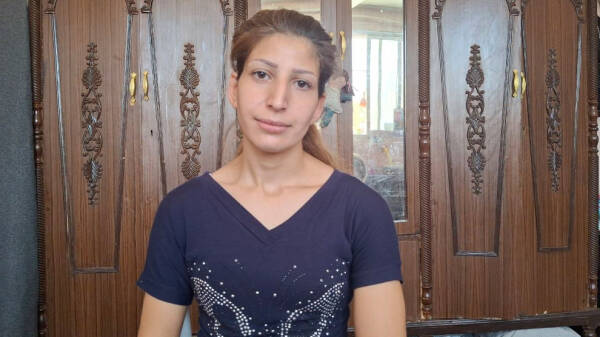
"They Burned Our Hearts Before They Burned Our Land"
Hana Al-Arabid from the village of "Walgha" says that the displacement journey began a year ago when the village was subjected to an armed attack that forced its residents to leave their homes.
She recounts: "We were displaced from our homes a year ago, after the authority's forces attacked the village with weapons and forced us out. They looted our homes and burned them, leaving us nothing. Today, the same scene repeats itself; fires are consuming agricultural lands, while their owners are prevented from reaching them, even though the distance between Suwayda city and Walgha village is only a few kilometers."
She adds that residents watch the fires from afar without being able to do anything: "We see the fires with our own eyes, but we are powerless to go down and extinguish them. If these fires are caused by the weather or burning crop residues, why are fire trucks not allowed to reach them? What prevents them from being extinguished?"
She affirms that the lands being burned are not just agricultural areas but a source of life for their owners: "This is not their land; they seized it by force of arms. It is our livelihood and our agricultural produce, so they do not feel what we are losing. They burned our hearts before they burned our land, displaced us, and to this day we do not know whether we will return to our homes or whether our fate will remain unknown."
She notes that the western countryside formed the backbone of the agricultural sector in Suwayda: "Everyone in Suwayda knows that Suwayda's reliance was on the crops of the western countryside, due to the fertility of its lands for growing vegetables, fruits, and wheat, in addition to the wells that provided water. It was among the best agricultural lands."
Hana Al-Arabid concludes her remarks by saying: "These lands were our last hope for return—to plant them, live from their goodness, and repair our homes. But even that hope is lost. They were not satisfied with occupying the land; they also filled in the wells, as if they wanted to eliminate any chance of life returning to it."
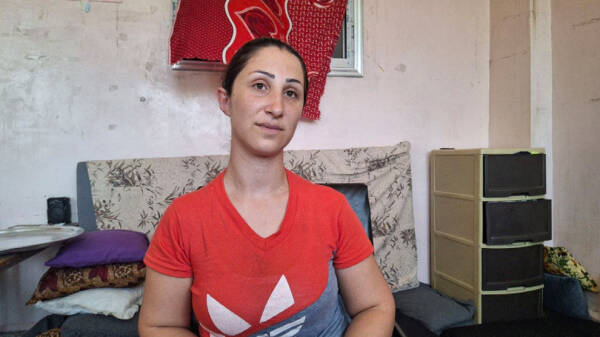
Fires Consume the Land While Children Ask About Their Homeland
Rowan Obeid from the village of "Walgha" says that the ongoing displacement since a year ago has deprived residents of returning to their homes. She adds: "We watch the massive fires, and we know nothing about our homes. We only see smoke rising from our homes and lands, and we cannot reach them."
She asks: "Why were firefighting teams trying to extinguish the fires from a distance and unable to reach the fire sites? This is our land, so what prevents us from going down to it and extinguishing the fires burning on it? These lands were our livelihood, and what has burned cannot be compensated for years. The land is exhausted, olive trees have burned, and the smoke has left a significant impact on the climate of the villages and the city."
She describes the psychological impact on her children: "My children ask me: What happened to the land where we used to play and where our father worked? They were deeply affected. We hoped to return, but even now there is no hope. My children have not adapted to school or to life here either, because they are attached to their school and their land."
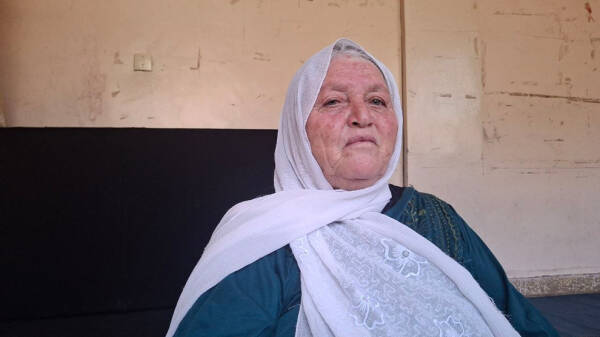
The Land That Sustained the Family Has Become Inaccessible
Nadia Nasr says: "We left our homes and were displaced, our land burned, and we cannot reach it. I used to plant this land and live from it—it was my source of support and my children's for forty years. Today, I cannot reach it or cultivate it."
She adds: "This land is our land and holds all our memories. It was fruitful, and its goodness benefited everyone. It is hard to remain displaced from it. If we plant, we cannot harvest; if we go down, we cannot guarantee our safety."
She points to the danger of landmines scattered in the area: "A while ago, a mine exploded on two people, and before that, two young men died after landmines exploded while heading to cultivate their land. So reaching the land is a risk that may cost a person their life."
The Fires Recreate the Scene of Displacement
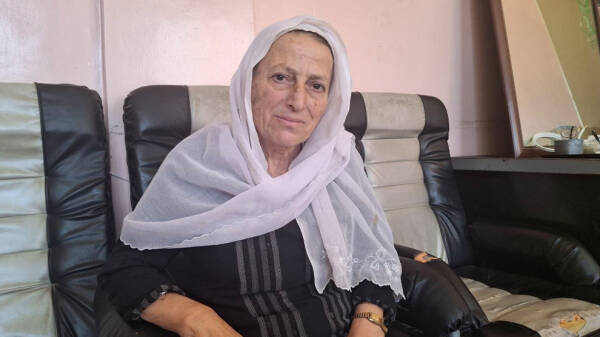
From the village of "Al-Mazra'a," Amal Adeeb Al-Hussein recalls the first moments of displacement: "We were displaced from the town because of the attack, and we were forced out. We left with burning hearts, and there is no harder situation than watching your city burn before your eyes."
She adds: "Our village was burning, as were the villages before it. We watched smoke rising from the houses, and we could not endure, so we left. To this day, we still live the same crisis and watch smoke rising from the lands, but from kilometers away. We hope to return to our homes, to gather again with our families and neighbors, and hope remains strong among the youth."
Amal Adeeb Al-Hussein concludes her remarks by saying: "Today we watch the lands burning—deliberately set—and this increases our pain, because the scene brings back the very moments of displacement, when smoke rose from the houses. Today, it rises from our land, and brings back the same pain."