
The Siege of Taiz Threatens the Collapse of the Health Sector... Children Face the Risk of Death
Taiz faces an unprecedented health catastrophe amid the strangling siege, as the Ministry of Health and Maternity Hospital announced imminent complete service stoppage and fuel depletion, threatening dozens of newborns and premature infants in incubators.
RANIA ABDULLAH
YEMEN– Amid the continuation of the strangling siege imposed on Taiz city in southwestern Yemen, the humanitarian and health crisis has continued to worsen unprecedentedly, forcing a large number of medical facilities to sharply reduce their services.
In this context, the Yemeni Ministry of Health warned of an imminent humanitarian catastrophe embodied in the direct danger threatening the lives of newborns inside incubators, as a result of the continued systematic prevention of the entry of fuel, medicines, and basic medical supplies into the city.
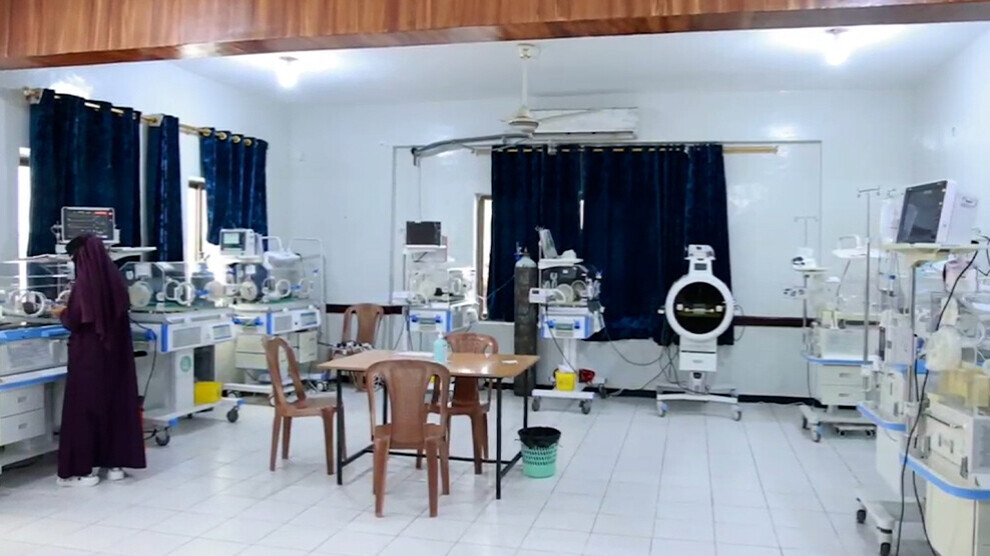
In an urgent distress call, the management of the "Yemeni-Swedish" Hospital for Maternity and Childhood — the only specialized facility in the city that provides its services to the people of Taiz and neighboring districts — launched warnings about the depletion of the stock of petroleum derivatives and the stoppage of electric generators.
The management confirmed that the city is witnessing a compound humanitarian crisis, as dozens of citizens are deprived of the ability to bring their premature infants and newborns to the hospital, as a result of the disruption of livelihoods and the stoppage of transportation.
After more than thirty days of the tight siege and strict encirclement, all the hospital's services are on the verge of a complete stoppage, not only because of the generators stopping due to the fuel crisis, but also because of the inability of medical and nursing cadres to reach their workplace due to the high cost and unavailability of transportation.
Reduction of Services
Nurse Najwa Al-Amri explained that the incubator department, which is divided into a section for newborns and another for premature infants, was forced under the weight of continuous bombardment to move the children and equipment to the ground floor to ensure minimum levels of safety.
She noted that the hospital previously used to receive about forty cases daily, but the capacity was forcibly reduced to only ten cases, due to the acute shortage of petroleum derivatives and the scarcity of medicines, oxygen, and medical supplies.
In the same context of warnings, Jamila Al-Dhabhani, head of the incubator department, confirmed that the department faces the risk of imminent final closure.
She explained that the only option available to the staff was to reduce the number of operating incubators from forty to only ten, in a desperate attempt to continue providing services according to the scarce capabilities available amid the intensification of the siege.
In a related context, the Yemeni "Women's Empowerment" Foundation launched an urgent distress call directed to the United Nations, Médecins Sans Frontières, and the World Health Organization, for rapid intervention to save the health sector in Taiz from complete collapse.
It revealed that more than 52% of hospitals and medical centers in the city have already gone out of service, while the remaining facilities operate in extremely harsh and deteriorating conditions, not to mention the direct targeting of medical facilities and ambulances, the latest of which was the targeting of an ambulance in the Al-Shaqab area of Sabr Al-Mawadim district.