
Sudanese Women With Disabilities Reject Confinement and Social Isolation
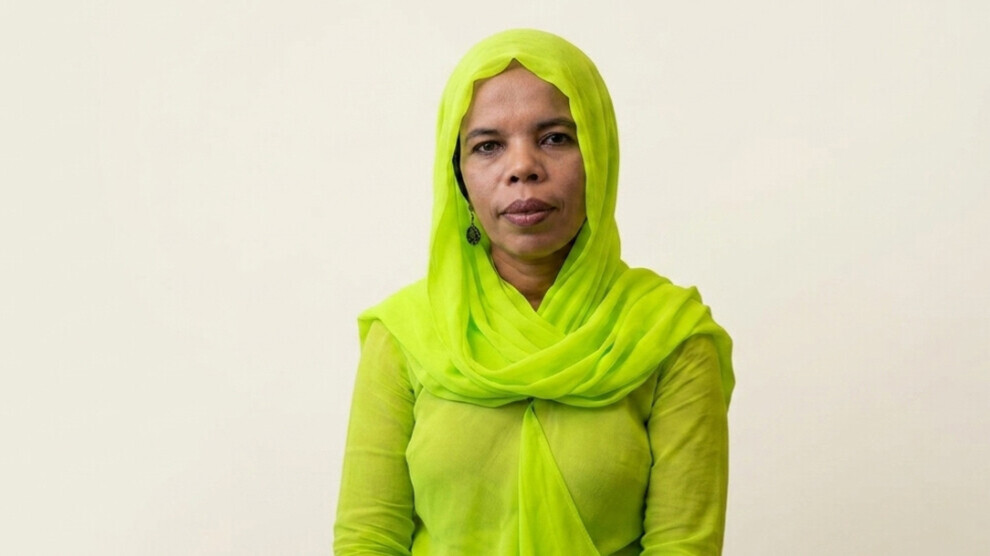
Tahani Hussein, an official with the "Network of Women with Disabilities," reviews compounded challenges facing this group—from lack of statistics to social stigma—affirming the need for inclusion and empowerment, turning suffering into a force for change
AYA IBRAHIM
Sudan — Amid the ongoing conflict in Sudan, the most vulnerable groups face compounded challenges that put their stability and basic rights at stake. In this context, Tahani Hussein, an official with the "Network of Women with Disabilities" in Gedaref state, addressed a thorny issue tracking the situation of women with disabilities amid the conflict and waves of displacement, revealing a sharp rise in disability rates matched by an absence of official statistics, alongside worsening social marginalization and funding bureaucracy that hinders their economic empowerment.
Tahani Hussein, the network official, explained that the ongoing conflict has caused a significant rise in disability rates, noting that security challenges and current conditions in the country have thwarted all attempts to track and count the true numbers of those affected. She stressed the utmost importance of building an accurate database to ensure appropriate support and services reach each case according to its type of disability and specific needs.
She noted that the absence of accurate statistics and a count of people with disabilities ranks among the foremost current challenges, particularly amid the continued movement of displacement and the influx of displaced people into her state, affirming that the recorded figures do not reflect the actual reality. She also pointed to another prominent obstacle: the lack of equipment and appropriate environments in shelter centers to receive women with disabilities, which has prevented them from being able to access these centers.
Tahani Hussein criticized societal attitudes toward women with disabilities and their being viewed as a "stigma," revealing shocking practices in some closed communities in her region, where they are isolated in separate rooms and restrained to prevent them from moving during occasions and visits.
She pointed to their marginalization within the family and their exclusion from decision-making, and the neglect of their specific needs due to customs and traditions, addressing a message to society affirming that disability is not a choice, and that these individuals are productive resources if given opportunities for inclusion and the guarantee of their rights, calling on families, society, and the state to meet their needs as an integral part of the goals of inclusivity.
She believes the most pressing need for women with disabilities is ensuring their rights at the level of legislation and policy, noting that Sudan has signed the International Convention on the Rights of Persons with Disabilities, meaning it is obligated to implement it, pointing out that among its provisions are the rights to education, work, and mobility.
She noted the possibility of activating practical laws in coordination with relevant authorities, chief among them the "building code," to make facilities accessible and ease the movement of people with disabilities.
Personal Awareness: The Key to Transformation
Speaking about her personal experience, she expressed gratitude for the support of her family and surrounding community, which helped her accept her disability, affirming that a person's awareness of their rights is the key to the shift from being a recipient to being a producer. Despite her regret over the pity, condescension, and stigma still practiced by society, she stressed that people with disabilities have the capacity to confront bullying and turn challenges into a driving force to change their lives and develop their communities.
Tahani Hussein explained that the network is making concerted efforts to conduct a comprehensive social survey in cooperation with the Ministry of Welfare and Social Development, the Central Bureau of Statistics, and the Population Council, with the aim of counting people with disabilities and ensuring their rights.
Despite achieving some gains in economic empowerment, she noted that the complexity of funding application forms and policies poses a major obstacle, which prompted the network to organize forums with funding institutions to ease procedures. She concluded by affirming the urgent need for psychological support for women with disabilities to confront stigma and abuse, alongside legal support, calling on authorities to effectively implement the provisions of the international convention across all institutions.