
Sexual Violence Threatens Children's Mental Health in Sudan Amid Conflict's Repercussions
As the conflict in Sudan continues, concerns are growing over sexual violence against children and its long term psychological, social, and health effects, amid challenges of documentation, treatment, and some families' refusal to disclose these cases.
AYA IBRAHIM
Sudan — The conflict in Sudan is among the harshest humanitarian crises on children, as its effects have not been limited to the loss of security and stability, but have extended to education, health, food, and protection. Children have become more vulnerable to killing, injuries, violations, and exploitation due to the collapse of community protection and basic services.
In recent days, the Sudanese Ministry of Human Resources and Social Welfare announced the documentation of 224 cases of sexual violence against children since the outbreak of the conflict in mid‑April 2023. These cases included five girls between the ages of 6 and 14 who were subjected to assaults that resulted in severe injuries, deformities, and the need for surgical interventions and multiple operations.
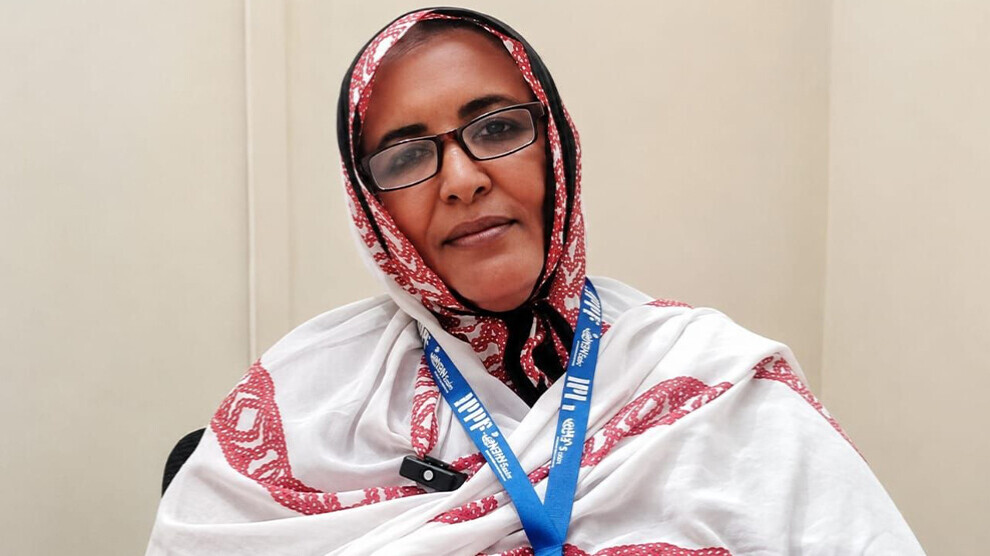
Psychologist Azahir Ibrahim believes that the 224 cases of sexual violence against children are an indicator of the emergence of gender‑based violence, stressing that there are a number of children who have been subjected to sexual violations and many forms of gender‑based violence. She points out that sexual violence has many effects that differ from other forms of violence in both the long and short term.
Regarding the psychological effects on children after experiencing sexual violence, she said they manifest as trauma, isolation, and many psychological disorders that may appear in children. She stressed that the diseases children face after the conflict have increased significantly, and that 80 percent of them need psychological treatment, especially since children are the most vulnerable group.
Providing a Safe and Stable Environment to Protect Children
She called for referring children who have been subjected to any form of violence or sexual assault to specialized psychological and medical authorities, to ensure they receive the necessary support and care, and to reduce the psychological effects that may result from these experiences, whether in the short or long term, including fear, psychological trauma, loss of self‑confidence and trust in others. She stressed that the primary responsibility for their protection falls on their families.
She expressed regret that some families do not accept documenting these cases and referring them to the relevant authorities, which limits the ability to know the children's conditions and provide them with the necessary support and protection, especially given the growing scale of humanitarian and psychological needs.
Regarding the most common psychological disorders among children who have been subjected to sexual violence, Azahir Ibrahim explained that the most prominent are depression, isolation, and anxiety, in addition to some psychological symptoms related to recalling or reliving the traumatic and frightening scenes they experienced. She stressed that a number of children's psychological cases are linked to their history of sexual violence and rape at an early age, which may leave long‑lasting psychological and social effects.
She pointed out that the surrounding environment plays a major role in children's psychological state, noting the need to provide a safe and stable environment that respects their privacy and psychological needs.
In this context, Azahir Ibrahim explained that a recommendation was made to ensure the separation of families within shelters and between host families, to guarantee a greater degree of privacy and contribute to providing a healthy and safe environment that helps children recover and enhances their psychological well‑being.
Many families in Sudanese society are afraid to speak about their children being subjected to sexual violence, out of fear of "stigma" and its impact on children's daily lives, without paying attention to the fact that this can affect their lives in the short and long term, both psychologically and physically.