
Human Rights Activist: Political and Economic Crises Multiply Burdens on Women in the Kurdistan Region
Women's rights activist Begerd Mohammed warns that Kurdistan's political and economic crises burden women, urging institutional reform and more jobs.
DIREN RAHIM
Sulaymaniyah — At a time when political and administrative corruption, along with the paralysis of parliament, have deepened crises in the Kurdistan Region, citizens—particularly women—face a continuous wave of economic deterioration, delayed salaries, and declining basic services.
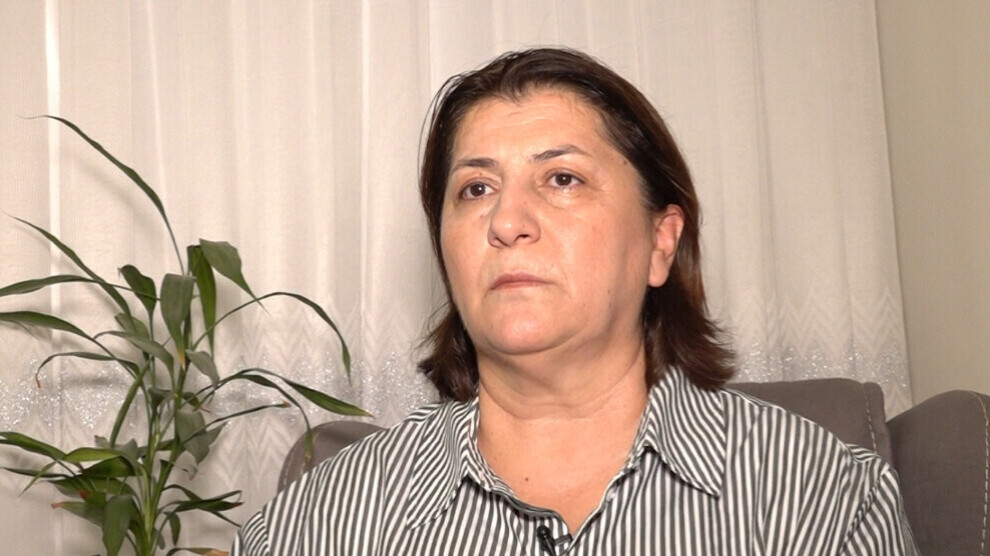
Begerd Mohammed, an activist in women's rights and civil society organizations, says that the failure to form a government and the resulting political vacuum, along with political and economic crises and conflicts, have placed families in harsh conditions, with women bearing the largest share of these burdens.
She explained that "economically, there is great pressure centered on women due to the multiplicity of goods in the markets and the diversity of lifestyles, which has created immense pressure on women. While everyone in the past lived at a similar level, now standards have changed and advanced. There is also a very difficult and challenging market undergoing rapid changes, manifested in the absence, interruption, and delay of salaries, and this pressure falls again on women because they are obliged to secure essential needs."
Currently, women work themselves, which, according to Begerd Mohammed, has created "a great additional burden on them, as they face problems and obstacles from several sides. Working hours are long, and the money they receive for their work is very little and not enough to meet their basic needs. The lack of support and solidarity within the family to help these women keeps them in a constant state of anxiety and distress, leading to poor mental health and a constant feeling of anger, as needs increase day by day, especially children's needs."
"Problems Are Discussed but Not Solved"
She believes that women have reached a point where "they constantly receive shocks and blows from society. Despite this era and all these knowledge and information resources, there has been a great intellectual and cultural regression affecting women, and they have reached a dangerous stage in the current situation. What exists now is only superficial and formal matters; essential and internal issues in women's affairs are not being worked on in any way. Days are merely being spent, and women are the ones who suffer the most."
This situation has made women, as our interviewee explains, "receive a share of the list of those harmed through insults, mockery, sarcasm, and improper acts committed against them, and in many cases, it escalates to murder or repression and interference in all details of their lives."
She noted that children are also harmed, manifested in two ways: "Either the child becomes very violent toward the mother, or becomes very annoying and exhausting. At a time when this child should be raised properly, they are occupied with matters that come at a high cost, and life goes on in this manner without any planning."
She criticized the discussion of challenges and problems without working on solutions: "We always express our dissatisfaction or talk about weaknesses, but we have never reached the stage of finding solutions, which lie in establishing institutional work in the country in cooperation with media institutions."
"Women Are Directly Affected by This Situation"
Begerd Mohammed also pointed out that this political vacuum in the region, manifested in the postponement of parliamentary meetings and the failure to form a government, has a direct impact on all areas of life, particularly on the legal and constitutional levels.
At this stage, there are many important constitutional draft laws that need to be voted on in parliament to enter the implementation phase. Therefore, she says the absence of parliament and the delay in forming the government leave a direct impact on social, political, and economic aspects, and will have repercussions on all members of society.
"Women Have a Key Role in Addressing Problems and Corruption"
She also explained that when a woman does work, "that work must be worthy of her status and abilities, not so burdensome that it causes her distress and exhaustion and is overwhelming beyond her capacity. Due to the many demands of life, requests and pressures on women have increased, and what a woman earns through work she is forced to spend again on nurseries and kindergartens, doubling the effort and exhaustion for women twice over."
Women, as she affirms, are capable of "playing an active role in reform and combating corruption through two main paths: the first path starts from the top, where the government must work on it and address problems through activating parliament and official institutions. The second path is education—individuals must be raised in a way that they not only refrain from practicing corruption themselves but also refuse to accept or remain silent about it."
Speaking from her experience with laws: "I have a daughter with special needs. The Law on People with Special Needs was enacted in 2011 but has not been implemented. I am waiting for the formation of the government so this law can be applied. Regarding women, the lack of income for women, the unemployed, and the sick—we have many dimensions to this issue because the foundation of a healthy society is a healthy woman."
Regarding employment, she explains that it constitutes a major problem in all countries, especially in the Kurdistan Region: "Our thinking that we women must be employed only in the government sector is not correct. It should not become a standard requiring every woman who graduates from university or institute to be employed in the public sector. Instead, work opportunities should be regulated by laws so that women's rights in the workplace are protected, their income is good, they can gradually advance in their positions, training courses are available to them, and opportunities are based on their awareness, intelligence, and competence—not on their appearance. Employment should also be reopened, especially for women, as we have many graduates from universities and institutes in various specializations, and we are in dire need of them."