
"Dar" Association Provides Legal Guidance for Displaced Persons from Sere Kaniye
The Dar Association for Victims of Forced Displacement operates according to a human rights approach, through programs based on the needs of displaced persons and refugees inside Syria, aiming to defend their rights and provide legal support to them.
SURKIL SHEIKH
Qamishlo — Amid growing discussions about the possibility of displaced persons returning to their original areas in North and East Syria, complex legal challenges are emerging related to property restitution and the establishment of rights, particularly for women who have borne the burdens of forced displacement for years.
Based on this need, the "Dar" Association for Victims of Forced Displacement has launched a project aimed at providing legal support and raising awareness of the rights of displaced persons from Ras al-Ayn/Sere Kaniye, and empowering women to navigate the necessary legal procedures before and after return, contributing to the protection of their rights and enhancing opportunities for a safe and dignified return.
The association serves as a platform for defending the rights of forcibly displaced persons, seeking to ensure their voluntary and safe return to their original areas, demanding compensation for damages they have suffered, and documenting the violations they experienced during the displacement period.
In this framework, the association has launched a specific project targeting displaced women from Ras al-Ayn/Sere Kaniye residing in displacement camps in Rojava. Association member Eva Ibrahim stated that one of the most prominent issues raised after the January 29 agreement between the Syrian Democratic Forces and the interim Syrian government concerns the return of displaced persons to their original cities. Thousands of displaced persons from Afrin have already returned, while the return of residents from Ras al-Ayn/Sere Kaniye remains stalled, with no practical steps taken to achieve it.
She pointed out that many of those who returned individually to the occupied areas faced legal difficulties in recovering their properties, which prompted the association to launch a project aimed at raising legal awareness among displaced persons and providing them with necessary support, particularly regarding property rights.
A Project to Strengthen Transitional Justice
Eva Ibrahim explained that the project aims to support the path of transitional justice in Syria by protecting the rights of displaced persons and empowering women to play a leadership role in advocacy efforts, focusing on issues of forced displacement and property restitution within the framework of transitional justice.
She added that the project primarily targets displaced persons from Ras al-Ayn/Sere Kaniye, with approximately 50 percent of its activities dedicated to women.
22 Awareness Sessions
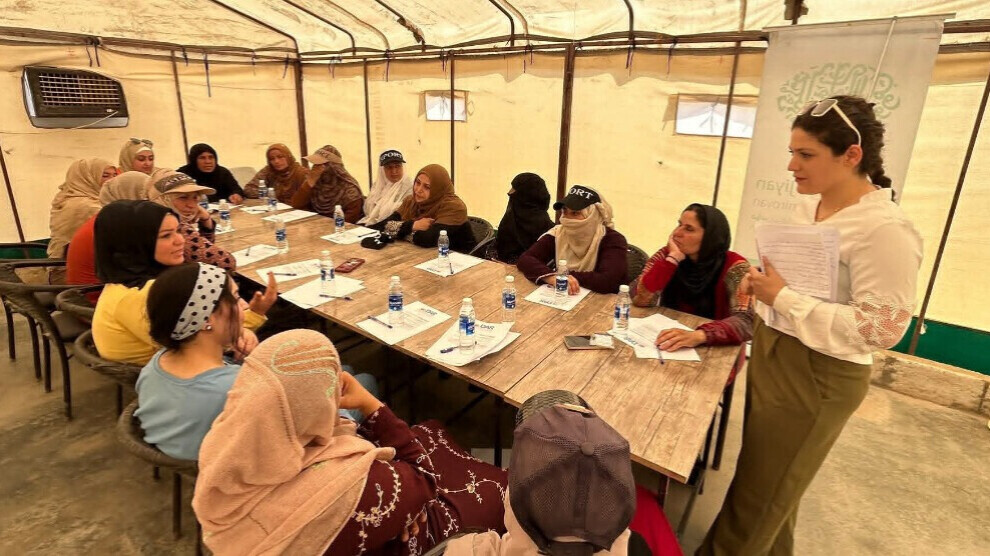
The project includes 22 awareness sessions, 12 of which are dedicated to explaining legal mechanisms related to property restitution, introducing the legal procedures to be followed, and how to document documents and papers lost or left behind during displacement.
The remaining sessions focus on the situation of women and the challenges they face before and after return, based on discussions and sessions held by the association in Washokani Camp and Qamishlo, where the difficulties women face during the displacement journey—which she described as one of the harshest experiences a woman can endure—were documented.
The project is scheduled to continue for one year, concluding with the preparation of a document containing a set of principles and recommendations based on the suffering and demands of the people of Sere Kaniye.
The project will produce two main studies: the first addressing legal mechanisms related to the restitution of rights and property, and the second documenting women's situations and experiences during displacement, along with their demands before and after return. The association will also prepare media reports highlighting women's issues and their success stories during the displacement journey.
The project includes a specialized training program targeting the selection of 5 to 10 women with legal backgrounds, aimed at enhancing their capacities in international advocacy and gender-sensitive documentation, enabling them to lead rights defense committees, influence decision-makers, contribute to policy reform, and mobilize community support.
Free Legal Consultations
Eva Ibrahim affirmed that the association provides free legal consultations to displaced persons through its digital platforms, explaining that this service specifically targets people who have lost their official documents and do not know the legal procedures necessary before return.
She added that these consultations help displaced persons learn how to document their properties and recover their rights, especially since many have lost ownership documents for homes and lands during displacement, which may cause them significant problems upon return.
Call for Legal Preparation Before Return
Eva Ibrahim stressed the importance of displaced persons, especially women, being familiar with legal procedures before returning to their areas, stating that knowledge of rights and necessary legal steps is a fundamental factor in recovering and protecting property.
She added that some parties controlling displaced persons' properties in Ras al-Ayn/Sere Kaniye demand large sums of money for their return, making legal awareness an urgent necessity. She affirmed that the association is committed to maintaining the confidentiality of all information provided by displaced persons when seeking legal consultations.