
An Artist Documents the Legacy of the Martyr Beritan Through Art
The “Martyr Beritan” Festival, held every two years in Makhmour camp, combines memory and resistance.Artist Marjan Kara, from the “Martyr Dalila” workshop, contributes to transmitting the legacy of the martyr Beritan to new generations through art.
BARGIN KARA
MAKHMOUR_The martyr Beritan, whose real name is Kulnaz Karatas, is not just the name of a historical heroine for the Kurdish people but is a symbol of the will for self-determination and freedom, of dignified resilience in the face of surrender, and of the approach of women’s struggle. The impact of her stance was not limited to the military field only, but also contributed to establishing a new culture for the people, especially for women, at the ideological, cultural, and artistic levels.
The approach that Beritan established with her resilience left a deep impact on society, to the extent that a “Beritan culture” emerged among the people. When a family chooses the name Beritan for its daughter, it simultaneously expresses its wish that its child live a free and dignified life and enjoy will and independence.
This resistant approach has become part of the culture of life and the deep social legacy of the residents of the "Martyr Rustam Jodi" refugee camp in Makhmour. The festival, organized once every two years to immortalize the memory of the martyr Beritan, is also the fruit of this connection and this historical stance.
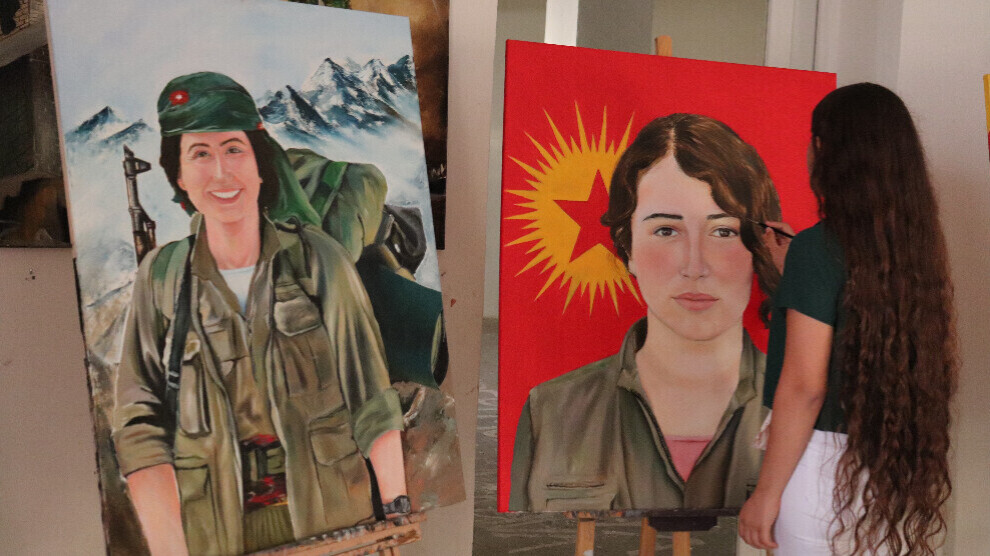
This resistant approach is embodied once again this year in the festival through colors, culture, and art. In particular, the work of the "Martyr Dalila" workshop, consisting of drawing 30 paintings of female martyrs bearing the name Beritan, comes to infuse the spirit of this legacy into the festival's activities.
Among the preparations for the Martyr Beritan Festival, the work of Marjan Kara in the "Martyr Dalila" workshop stands out as one of the most remarkable works. She draws paintings of her aunt and her sister, the two martyrs who both bear the name "Beritan." With every brushstroke, Marjan Kara not only revives her family's memory, but also keeps the legacy of resistance, which has become a social culture in Makhmour, alive and transmits it to the festival's space.