
UN calls for immediate halt to executions in Iran
"The UN has renewed warnings about Iran's deteriorating human rights as executions, arbitrary arrests, and targeting of opponents and minorities increase amid the country's expanding security and military grip now."
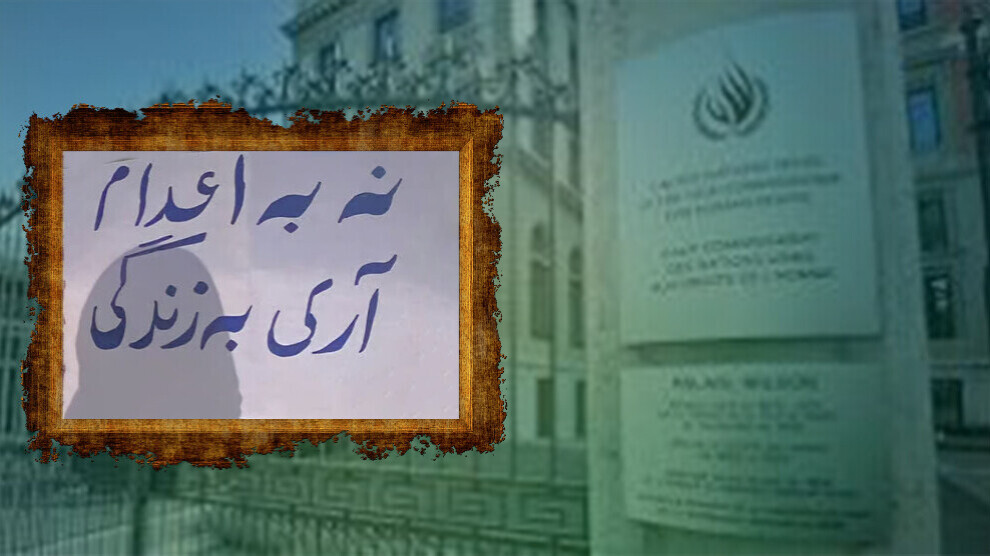
News Center – Iran is witnessing a new wave of executions that has sparked widespread international concern, after human rights organizations announced a notable rise in the number of people executed in recent weeks, amid accusations that authorities are using this punishment to tighten the security grip and deter any internal opposition.
The UN High Commissioner for Human Rights warned in a new statement of the escalating human rights crisis in Iran, announcing that alongside the expansion of the security and military environment in the country, pressure on political opponents, protesters, and ethnic and religious minorities has significantly increased.
The new UN High Commissioner for Human Rights expressed concern over the violent and cruel denial of the Iranian people's rights, stressing the need for the Islamic Republic's authorities to immediately stop all executions, halt the death penalty, ensure the right to a fair trial, and immediately release all arbitrarily detained persons.
According to statistics published by the UN Human Rights Office, at least 21 people have been executed in Iran over the past two months – since the beginning of Israeli and American attacks on Iran. Of these, 9 were executed on charges of involvement in recent protests in the country, 10 on charges of belonging to opposition groups, and 2 on espionage charges.
The report confirmed that more than 4,000 people have been arrested on charges related to "national security" since late February of last year. The UN says this charge is broad, vague, and open to interpretation in the Iranian judicial system, and is used to suppress a wide range of citizens, including protesters, civil activists, and even teenagers.
The UN announced that a large number of detainees have been subjected to enforced disappearance, torture, forced confessions, sham executions, and other inhumane treatment during this period, and that their families remain unaware of the fate or whereabouts of their loved ones.
The organization also described the situation in Iranian prisons as "very worrying," reporting shortages of food, water, medical services, and basic sanitation facilities in some detention centers – conditions that, according to the High Commissioner, have directly endangered the lives of prisoners.
The organization confirmed in its statement that security and judicial pressures are mostly directed at nationalities and religious minorities, including Baha'is, Zoroastrians, Kurds, and Baluch, and that these groups are exposed to arrest, property confiscation, harsh sentences, and the risk of execution.
The new UN warning comes at a time when human rights organizations have repeatedly reported in recent weeks that the Islamic Republic is using the atmosphere of war to intensify internal repression, silence protests, and expand security decrees against critics – a trend that has now received an official response from the highest UN human rights official.