
Women's Association Warns of Political Violence Against Moroccan Women as Legislative Elections Approach
The Democtatic Association of Moroccan Women warns that Money, influence, and loyalties in Condidate selection undermine equal opportunities and women’s political representation.
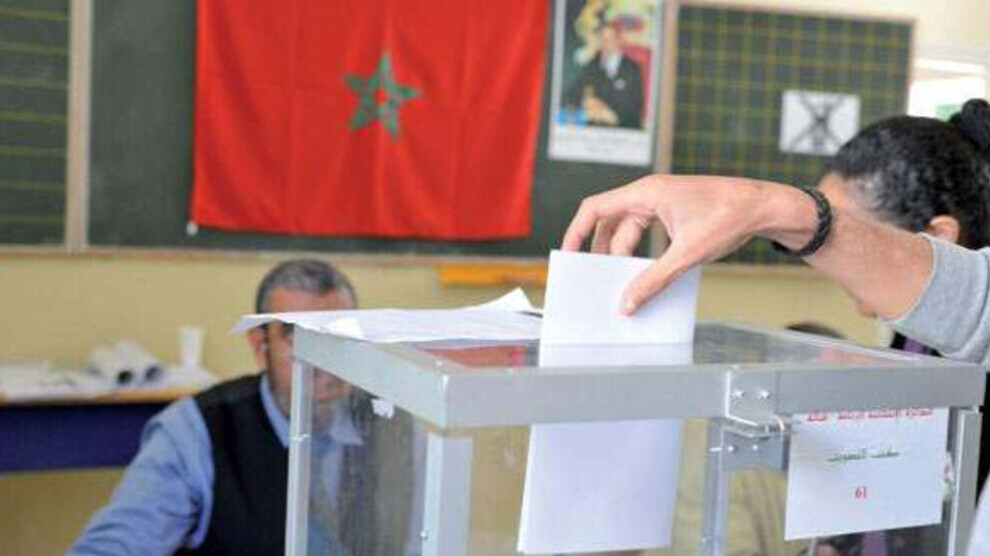
Morocco — The Democratic Association of Moroccan Women warned of practices it said could undermine women's right to free, independent, and equal political participation, as the country prepares for legislative elections scheduled for September 23. It considered that linking party endorsements to money, influence, or personal loyalties could constitute a form of political violence and discrimination against women.
The Democratic Association of Moroccan Women stated that the preparation phase for the electoral elections is witnessing "indicators and practices" that could undermine the gains accumulated by the women's and democratic movement in the field of equality and women's political participation.
It added that the data and statements related to the management of candidacies for the legislative elections require, in its view, "vigilance, accountability, and verification," calling for legal and administrative accountability if practices that undermine the integrity of candidacies or equal opportunities between male and female candidates are proven.
A central part of the association's criticism focuses on the way political parties manage the process of selecting candidates and granting endorsements. The association believes that making financial capacity, influence, or personal loyalty the actual criterion for obtaining an endorsement, instead of competence, integrity, political and activist track record, represents a deviation from the democratic role of parties.
It warned specifically against endorsements becoming a field for financial bargaining, considering that any requirement for financial contributions or burdens, directly or indirectly, linked to obtaining an endorsement raises questions about equal opportunities and the integrity of political participation.
The association asked in this context whether the right to political participation has become, in some cases, linked to the ability to pay, and whether party endorsements are being transformed from a political responsibility into a privilege governed by influence networks and interests.
Political Violence and Discrimination Against Women
It says that the impact of these practices is more severe on women, who already enter political competition under historical and structural imbalances in the distribution of resources, power, and influence.
The association believes that these practices, if proven, not only represent a flaw in the management of candidacies but may also turn into a form of political violence and discrimination against women. The association also criticized what it described as the risk of turning positive discrimination mechanisms designed to enhance women's representation into tools for bargaining or redistributing influence within political organizations.
It considered that these mechanisms were not adopted as a privilege granted by parties to women, but as a measure aimed at correcting a historical and structural imbalance in women's representation and enabling them to access elected institutions and decision-making positions.
In this context, the association warned that 90 seats allocated to enhance women's representation, according to the adopted electoral formula, could be transformed from a mechanism for political empowerment into a field governed by the logic of influence, financial capacity, and clientelist relationships.
It stressed that women's political empowerment should not be measured only by the number of seats they obtain, but also by the extent to which conditions of autonomy, fair competition, and equal access to resources and political decision-making are available. The association called for a serious investigation into every documented statement related to the demand for a direct or indirect financial payment in exchange for obtaining an endorsement, and for appropriate legal consequences to be drawn if these practices are proven.
It also called on bodies supervising electoral processes, each within its area of competence, to monitor anything that could undermine the integrity of candidacies and electoral competition, and to take the measures provided for by law.
At the same time, it renewed its call for the adoption of a clear legal framework to recognize and criminalize political violence against women, along with the establishment of independent and effective mechanisms for reporting, protection, and redress, particularly during the phases of candidacy, electoral campaigns, and the exercise of elected mandates.
The association called on political parties to adopt transparent, public, and accountable procedures for selecting candidates, based on competence, integrity, political and activist track record, and commitment to society's issues.
The Need to Support Women's Leadership and Competencies
It also called for ensuring effective equality in access to party, financial, organizational, and media resources, so that economic disparities do not become a barrier to women's political participation. It stressed the need to support women's leadership and competencies and enable them to access decision-making positions within parties, and not to limit women's presence in electoral elections to seats resulting from positive discrimination mechanisms.
It considered that the integrity of elections begins with the integrity of candidacies, warning that elections cannot be fully democratic if they do not ensure actual equality in access to political competition.
The association concluded by stressing that democracy is not measured only by the number of women who reach parliament, local councils, and elected institutions, but also by the conditions under which they arrived, and the extent of their independence and ability to exercise their political roles away from guardianship, blackmail, or subordination.
It affirmed that turning women's political participation into a field for financial bargaining or exchange of interests harms not only women but also the integrity of the democratic process, weakens trust in institutions and parties, and threatens to empty the principle of parity of its constitutional and transformative content.