
Women of Kobani Reject Restricting Kurdish Education to Three Hours per Week
Women of Kobani rejected the three-hour weekly limit on Kurdish classes, affirming mother-tongue education is a fundamental right at all levels.
BARJAM JODI
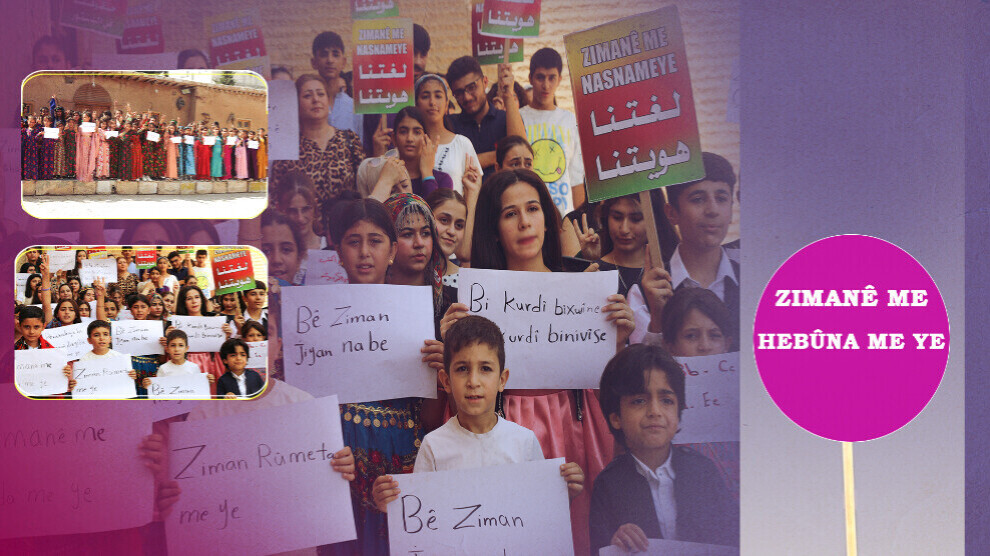
Kobani_Women of Kobani in Rojava said that education in the mother tongue is an inherent right of the Kurdish people, affirming that reducing the Kurdish language to a subject taught for limited hours does not align with childern’s and students’ right to receive their education in their language, nor with the years of education experience the region has accumulated.
On August 27, the Interim Government announced the decree regarding the education and study system in Kurdish in Syria. According to the decree's content, Kurdish was adopted as a national language. However, what sparked the Kurdish people's discontent and raised the level of objections was the allocation of only three hours per week for teaching Kurdish as a subject.
This decision caused widespread anger, resentment, and significant rejection among the people, teachers, and students across Rojava. The fundamental demand within society regarding mother‑tongue education is for children to receive their education in their own language at all stages of their educational lives.
Our agency conducted interviews with women from Kobani about their views and ideas regarding the decision on the Kurdish language.
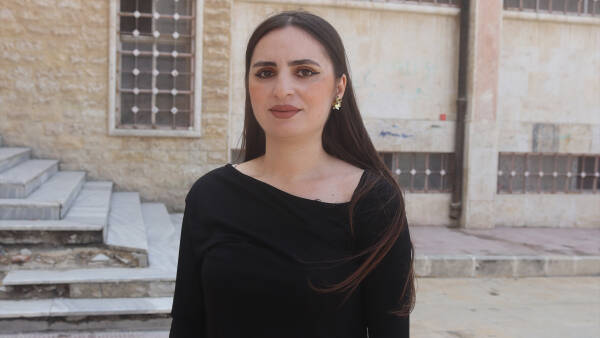
Teacher Jacqueline Sheikh Khader from Kobani explained that the dreams of the entire Kurdish people in Rojava have become a practical reality: "Education and learning in the Kurdish language was a dream we had as a people for many years. The July 19 Revolution, also known as the Language Revolution, formed the foundation that enabled us to turn our dreams into reality, and this was achieved thanks to great efforts and the sacrifices of freedom fighters. An educational system was established in schools, institutes, and universities, and our students have been receiving education for 14 years based on their mother tongue. Therefore, it is very difficult for our children and youth to now receive their lessons in a different language."
She stressed that after the integration process between the Syrian Democratic Forces and the Syrian Interim Government, their hopes were very high, particularly regarding the right to education in Kurdish. "Unfortunately, we see that Kurdish has been restricted to three hours, and this measure is insufficient to meet our aspirations. It is our legitimate right, as a Kurdish people, to read and learn in our language. For this reason, everyone who cares about the right to mother‑tongue education should not remain silent about these decisions."
"We Can Boycott Education to Defend Our Right"
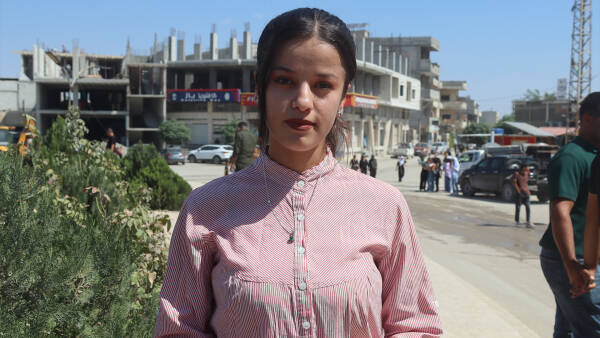
For her part, Shirin Mustafa, a student at Kobani University, stressed that her education has continued for 12 years in Kurdish, emphasizing her rejection of imposing any other language on Kurdish students. She said: "Today I am a university student, and as a young Kurdish woman, I do not accept any language other than Kurdish being imposed on us. We also categorically reject restricting Kurdish language teaching to only three hours per week."
She added that switching to education in another language raises serious questions about the future of children in educational stages, asking: "We are now at university, but how will children in schools be able to continue their education in another language after studying in Kurdish for all these years?"
The issue, as she explains, "is not that we cannot learn in another language; the issue is that Kurdish is our legitimate language, and it is our right to use it to the end. We did not make all these sacrifices and struggles for only three hours. Therefore, if necessary, we are ready to boycott education entirely and demand our rights."
"The Kurdish People's Right to Education in Their Language Is Being Restricted"
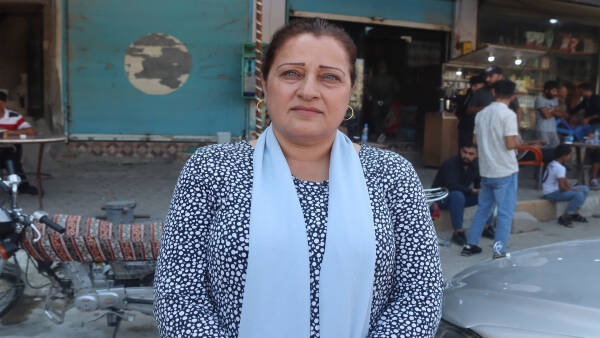
For her part, Leyla Ahmed explained that Kurdish is now being treated as a foreign language, despite its specificity and status among the region's residents, noting that the education system in northern and eastern Syria had been established taking into account the languages, history, and cultures of the peoples.
Leyla Ahmed said that residents had hoped the Interim Government would take into account the specificity of each region when organizing the educational process, but the reality, in her view, shows that Kurdish is being treated like foreign languages, by allocating limited hours for its teaching.
She added that the Kurdish people have their own history, culture, and geography, questioning how easy it is to change the language of education after many years of studying in Kurdish, particularly regarding the determination of curricula and educational branches according to a different language.
Leyla Ahmed stressed at the end of her remarks that the Interim Government is not fulfilling its promises: "At the international level, there are international laws and conventions stating that every people has the right to receive education in their mother tongue. Syria is also one of the countries that accepted and signed these conventions. But we now see that these conventions are also being violated, and the Kurdish people's right to education in their mother tongue is being restricted."