
UNICEF Warns: Climate Disasters Increase Risks of Girls Dropping Out of School
Climate change no longer threatens only the environment and health; it now leaves direct effects on children's future and education, according to a new warning from UNICEF, which affirmed that girls bear the largest share of these repercussions.
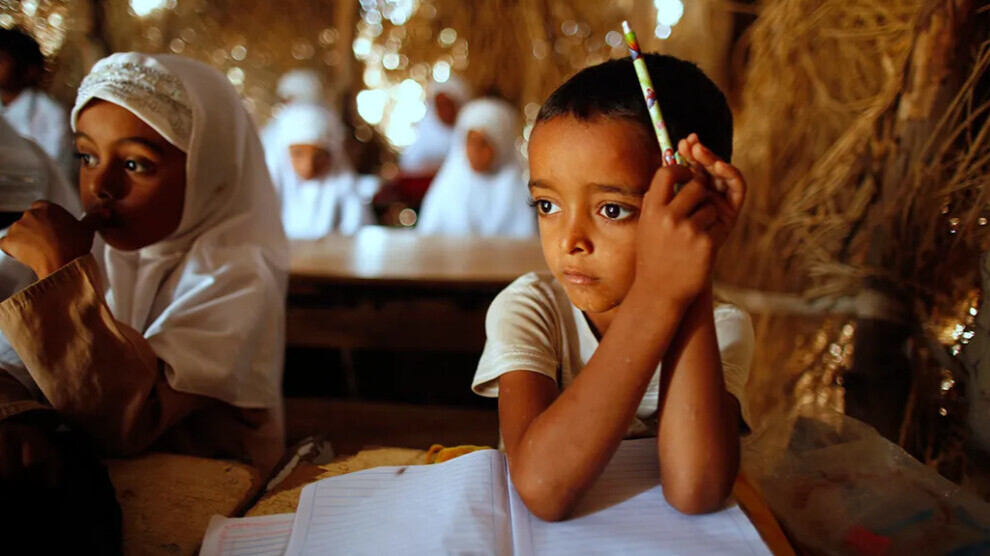
News Center — Millions of girls around the world face a growing threat of losing their educational opportunities due to the repercussions of climate change, from school closures and displacement to rising family burdens and the risks of child marriage.
The United Nations Children's Fund (UNICEF) warned of the growing repercussions of climate change on children's education, noting that girls face greater risks than boys of dropping out of school when schools are exposed to harsh climate phenomena, including heatwaves, storms, and wildfires.
In an analysis published today, Thursday, September 10, the organization explained that extreme weather phenomena during the past year affected the education process of approximately 171 million students in 106 countries and territories—equivalent to one in every ten students.
According to the analysis, girls were the most affected when climate disasters damaged schools, canceled classes, or shifted to distance education, affirming that disrupted schooling or school closures increase the likelihood of girls dropping out of education.
UNICEF noted that damage to schools and water and sanitation facilities, along with displacement and families losing their sources of income, may impose additional burdens on girls, including caring for family members and fetching water, making it more difficult for them to continue their studies.
The organization warned that these pressures may also raise the risks of child marriage, making girls' return to school more difficult even after schools reopen.
According to the analysis data, storms were the climate phenomenon most responsible for disrupting education during the past year, affecting about 109 million students worldwide, while floods affected no fewer than 70 million people, and heatwaves disrupted schooling for approximately 50 million children and youth.
UNICEF said its analysis used an updated methodology based on data collected by relief agencies and local media, rather than relying exclusively on government figures.
The organization estimates that about one billion children—nearly half of the world's children—live in countries facing very high risks from climate and environmental shocks. It warned that the loss of learning opportunities and the resulting decline in reading, writing, and numeracy skills could lead to lifetime income losses of no less than 200 billion dollars, in addition to deepening inequalities around the world.
UNICEF noted that the majority of affected children live in low‑income or lower‑middle‑income countries, where education systems often lack the resources needed to ensure the continuation of the educational process during climate emergencies.