
Two Rights Coalitions Warn of Decline in Women’s Opportunities Ahead of 2026 Elections
Two women’s coalitions in Morocco expressed concern over indicators of declining women’s participation in the upcoming elections scheduled for September 23, warning of imbalances affecting candidacy conditions and equal opportunities.
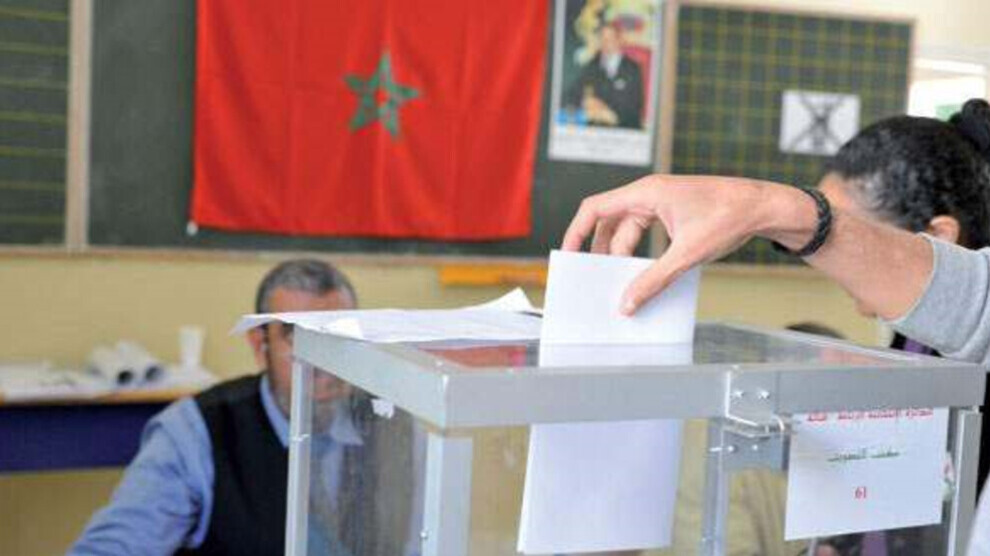
Morocco_ The legislative elections in Morocco highlight women’s presence in the political scene, amid widespread debates over candidacy conditions, ensuring equal opportunities, and enhancing actual participation in decisions-making positions.
As political parties prepare for the upcoming legislative elections, after some candidacies were finalized and lists began to be filed with the competent authorities, the "190 for a World Without Violence in the Workplace" coalition and the "For the Dignity and Rights of Women" coalition warned in a statement issued yesterday, Friday, September 5, of what they considered worrying indicators regarding women's participation in the upcoming legislative elections. They stated that the candidacy process raises questions about whether equal conditions exist to enable women to access leadership positions and genuinely compete for parliamentary seats.
The two coalitions stressed that women's presence on electoral lists should not be measured only by the number of female candidates, but also by their positions on the lists, their actual chances of winning, and the level of political, organizational, and financial support they receive.
From Numerical Representation to Actual Participation
The coalitions believe that one of the most prominent challenges facing women is their limited access to leadership positions within local lists, particularly heading lists and positions that offer greater chances of winning. They also pointed to disparities in the criteria used to select female candidates: "In some cases, factors such as family ties and financial capacity may influence the process, weakening the principle of equal opportunities and merit."
According to the statement, the disparity is not limited to candidacy positions but also includes the level of political and organizational support provided to women, in addition to the unbalanced distribution of women's candidacies across regions and electoral districts.
The coalitions warn against women's inclusion on lists becoming merely symbolic or numerical, without the political, organizational, and material conditions that would enable them to compete effectively and reach positions of representation and decision‑making.
Money and Political Violence Among Concerns
The coalitions believe that the growing influence of financial capacity on women's chances of running and competing in elections has become a decisive factor in selecting candidates, ranking lists, and supporting campaigns, which may limit equal opportunities and hinder competent women with political and civic experience from reaching positions of representation.
They also draw attention to what they describe as persistent cultural, institutional, and political resistance to women's participation in public life, along with the emergence of manifestations of political violence against women, particularly digital violence, which may target women because of their participation in the public sphere or their pursuit of leadership positions.
Supporting Women
In this context, the coalitions expressed their solidarity with women politicians and leaders who have been excluded or who, in their view, were not given equal opportunities in candidacy, competition, or leadership: "The experiences of these women must be heard, and the imbalances in the candidacy process must be examined, with the adoption of institutional and rights‑based mechanisms for investigation, redress, and accountability."
The coalitions stress that ensuring women's participation is not achieved simply by increasing the number of female candidates; it also requires ensuring their access to winnable positions and providing the necessary political, organizational, and financial support to compete.
Positive Discrimination and Redressing Disparities
The coalitions defended positive discrimination as a necessary mechanism to address historical and structural disparities that have limited women's presence in political life, while also warning that these measures could become a source of new disparities among women.
The statement called for regular evaluation of these mechanisms from a political, rights‑based, legal, and democratic perspective, stressing that the ultimate goal is to move from symbolic representation to equal and effective women's participation in decision‑making. The coalitions believe that overcoming the observed imbalances requires a comprehensive review of the legislative and institutional framework governing women's political participation.
The statement put forward a number of proposals, most notably adopting clearer and more transparent procedures for selecting candidates according to verifiable criteria, establishing mechanisms for complaint, appeal, accountability, and limiting conflicts of interest and the influence of money on candidacy and competition decisions. The coalitions also called for strengthening the protection of women from various forms of political and electoral violence based on gender.
The 2026 Elections and the Test of Parity
The coalitions place the upcoming legislative elections within a broader context concerning the extent to which Moroccan political practice can translate the constitutionally enshrined principle of parity into actual representation within elected institutions. They noted that the percentage of women who entered the House of Representatives through local lists in the 2021 elections did not exceed, according to the data cited by the coalitions, 2 percent.
The coalitions believe that this percentage makes the 2026 elections an important test of the electoral system's and political parties' ability to achieve tangible progress in women's representation, particularly in leadership positions and direct competition.
The coalitions affirm that the responsibility for achieving parity does not rest solely on women, nor can it be achieved through legal measures alone; it requires political will from various actors, a supportive legislative and institutional framework, as well as a change in political, party, and societal culture regarding women's participation.
The statement concluded that what is needed is a shift from the logic of including women on lists to enabling them with real opportunities to run, win, lead, and influence decision‑making. The coalitions affirmed their continued monitoring of the candidacy process and women's political participation, considering that parity is not a privilege granted by institutions but a constitutional, democratic, and rights‑based entitlement that reflects political life's ability to ensure equal representation of society.