
The Women's Protection Units... between political recognition and institutional marginalization
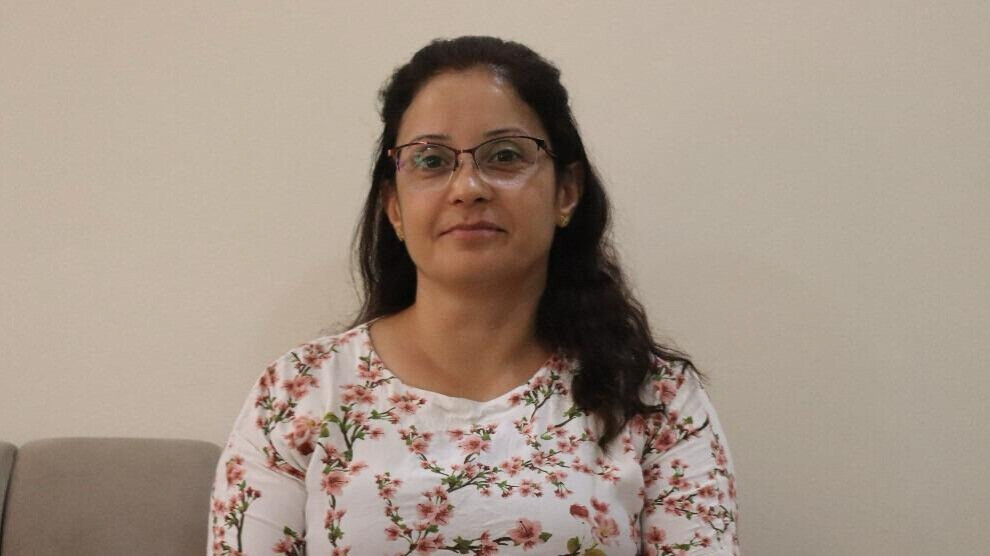
Article by Leman Sheikho, member of the Jinology Academy
The issue of the Women's Protection Units (YPJ) is among the most debated issues in the current phase, as it is directly linked to the path of rebuilding the Syrian state and the future of its military and political institutions. These units emerged during the war against ISIS as a women's military force that played a pivotal role in several battles, especially in northern and eastern Syria, particularly during the Battle of Kobani, which constituted an important turning point in the conflict with ISIS.
The YPJ was officially established in 2013, in the context of the Syrian war and the growing need for local defense formations within the Autonomous Administration areas in northern and eastern Syria. Its establishment came as a women's military wing linked to the Autonomous Administration project, aiming to defend local areas and enhance women's participation in both the military and political spheres, within an intellectual and political vision based on the philosophy of "democratic nation" put forward by thinker Abdullah Öcalan, which emphasizes women's freedom, gender equality, and national pluralism in building society.
In post‑conflict states, integration is an essential part of security sector reform and state‑building programs, aiming to incorporate all elements into the national army. However, the success of this process remains linked to the existence of political consensus, legal guarantees, and mutual trust among the different parties.
In Syria, the debate over the integration of the YPJ is not limited to the military dimension alone but extends to a deeper level concerning the nature of the future Syrian state and the limits of national and gender pluralism within its institutions. The Syrian interim government insists on the principle of "the unity of the military institution," and believes that the existence of independent armed formations with their own organizational or ideological reference may pose a threat to state sovereignty and the unity of its military decision. Therefore, it refuses to grant the YPJ organizational independence within the new Syrian army.
In contrast, the YPJ insists on the model of independent women's leadership, which forms an essential part of its intellectual and organizational structure linked to the Autonomous Administration, and believes that any integration that does not preserve its specificity may lead to the marginalization of women's role within a traditional, male‑dominated military institution.
This disparity reveals that the issue of integration is not merely a technical or administrative issue but expresses a political and ideological struggle between two different projects: the Autonomous Administration project based on decentralization, equality, and women's empowerment, and the centralized state project that seeks to reunify military and political authority within unified central institutions.
This struggle is also fueled by complex regional and international factors. Turkey considers any organized Kurdish military entity near its borders a threat to its national security due to its intellectual and political connection to the Freedom Movement, which has led it to exert political and military pressure to prevent its recognition.
In addition, the integration process faces multiple security and social challenges, including differences in military doctrine between the two sides, the absence of a similar model of independent women's units within the Syrian army, as well as the lack of mutual trust between the Autonomous Administration and Damascus, and the fighters' fears of losing the political and social gains achieved during the war years. On the other hand, some Syrian parties fear that the continued existence of independent units may entrench geographical and political division within the country.
Here it becomes clear that the future of the YPJ is not only linked to an administrative decision regarding integration or dissolution, but fundamentally reflects the nature of the struggle over the form of the new Syrian state and its ability to accommodate national, gender, and political pluralism within a unified state framework.
A number of alternatives and solutions can be proposed that may help reduce the intensity of the disagreement over the future of the YPJ, including adopting a gradual integration model that allows building trust between the different parties, providing constitutional and legal guarantees to protect women's rights, enhancing women's representation within Syrian military and security institutions, in addition to launching a comprehensive political dialogue between the Syrian government, the Autonomous Administration, and women's forces, under international or UN supervision of security restructuring processes, and working to reform the Syrian military institution on national and professional foundations away from ideological or sectarian character, while preserving the principle of national pluralism and gender equality within the institutions of the future Syrian state.
Preserving the gains achieved during the war years requires ensuring women's actual participation in political, military, and security institutions, and not marginalizing their role in the phase of rebuilding the Syrian state. Hence, the importance of entrenching the principles of justice, equality, and citizenship within the future constitutional and legal structure emerges, to guarantee the protection of women's rights and enhance their role in public life and decision‑making.
In this context, recognition of the role played by the YPJ during the war against ISIS is not only linked to the military aspect but also reflects the importance of women's participation in protecting society and contributing to building a more pluralistic and stable political future in Syria.