
The Housing Crisis in Afghanistan Burdens Women Between Homelessness and Home Confiscation
Taliban control, returning migrants, and property seizures worsened Afghanistan’s housing crisis, with poverty and high rents forcing displaced families into unsuitable conditions, women bearing the greatest burden.
BAHARAN LAHIB
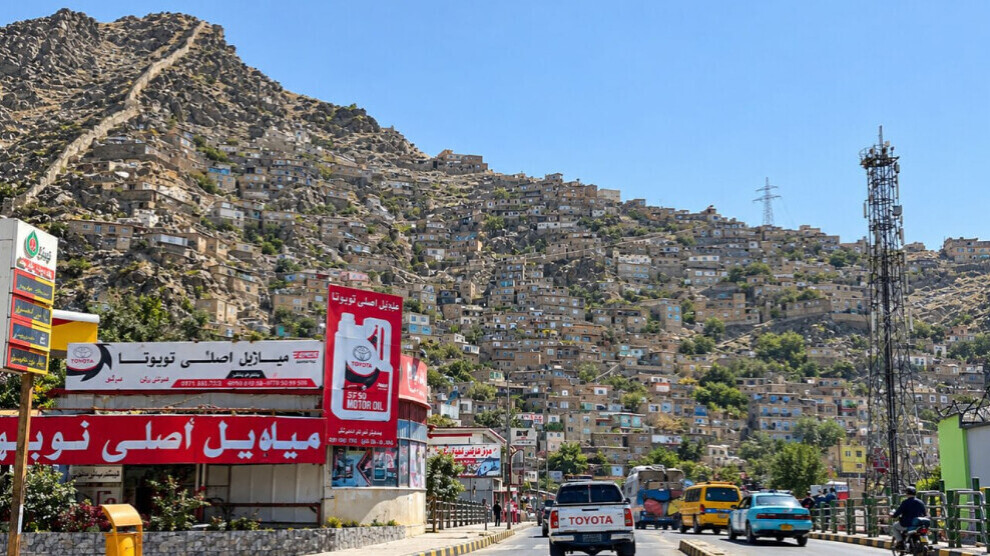
AFGHANISTAN-The housing crisis is one of the problems that has worsened in Afghanistan since the Taliban’s return to power. Many Afghans do not own private homes, and the majority is forced to rent housing and live in it, according to their economic conditions.
Despite urban expansion in cities and even villages, economic conditions and the shortage of housing push many families to live in a single residential unit. Some families are forced to make do with one room, in which all their children are raised and grow up.
With the return of migrants to Afghanistan from Iran and Pakistan, the housing shortage crisis has worsened, simultaneously with the rise in their prices.
On the other hand, government officials during the past twenty years seized government lands and established residential complexes on them. Wealthy people bought lands in those areas and built their homes on them. Today, the Taliban announced that these neighborhoods across Afghanistan are state property, and set rents for each home, according to the nature and size of the building, which their owners must pay, or else they will be forced to vacate their homes.
At the same time, road rehabilitation works in various areas of Kabul and other provinces led to the demolition of a number of homes or their inclusion within the paths of new roads. This also contributed to the worsening of the housing crisis, so that Afghans find themselves facing this problem, alongside poverty, unemployment, and the repression practiced by the Taliban.
When the Taliban took control of Afghanistan, a large number of residents were forced to leave their homes to preserve their lives; some left the country, while others resorted to other provinces. The Taliban exploited these circumstances, seizing all homes whose owners were not present in them, and placed them under its control.
Homelessness Exacerbates Women's Suffering
Shaima Ahmadzai says that her husband worked as a military prosecutor in Baghlan province under the previous government. She has one son and four daughters, all of whom were working in different fields. After the Taliban took control of the province, the family was forced to flee at night and head toward the capital, Kabul.
After a period of homelessness and staying with relatives, the family, with great difficulty, managed to find a house and rent it. Then she decided to sell her house and buy a small house in which she lives with her son's wife and her daughters, to be a shelter for them.
For her part, Firoozeh Sharif, who was residing in one of the areas of Kabul, said: "Afghanistan suffers from drought, but the house in which I spend the night and day is full of humidity. All our covers and beds emit a bad smell, and we suffer from bone pain."
Firoozeh Sharif recently returned from Iran accompanied by her three young children, and lives in extremely harsh conditions with the little money she has left. She pays a monthly rent of two thousand afghanis for that damp room, while she shares the toilet, bathroom, and kitchen with two other families, who also returned from Iran.
Like Shaima Ahmadzai and Firoozeh Sharif, millions of women in Afghanistan live in difficult conditions, as they bear, alongside the burdens and other problems of life, the weight of homelessness and the absence of adequate housing.