
The "Bardo" Museum: When Walls Tell Stories Not Written in History Books
Amid the decorations of the largest and oldest mosaic in the world and a history spanning over 3,000 years, the stories of women who were within circles of power are told in a museum that chronicles human history.
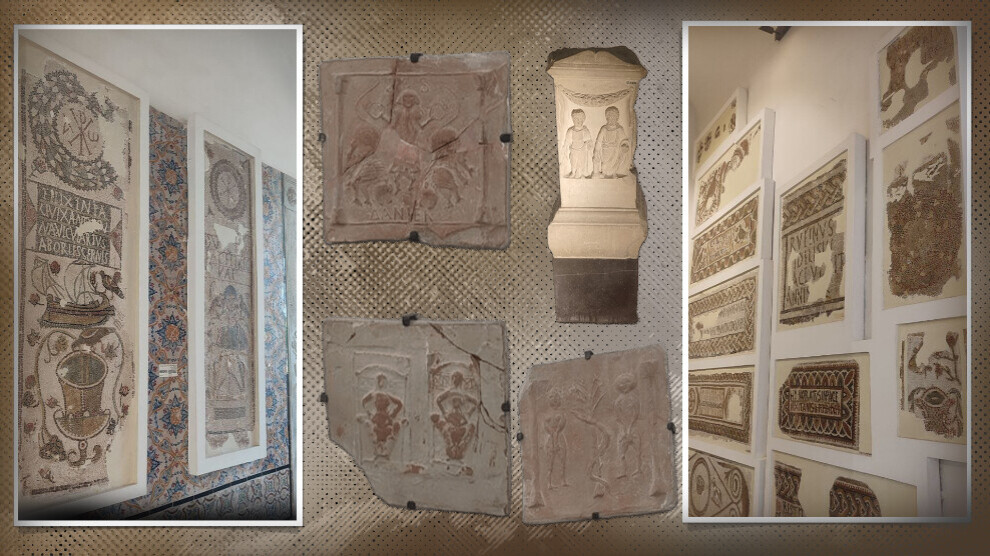
Tunis — Behind the majestic gates of the Bardo Museum in the Tunisian capital, the visitor stands not merely before silent archaeological exhibits but before a living memory. In this nineteenth-century palace—the "Palace of the Beys"—authentic Tunisian architecture intertwines with Andalusian and Turkish decorations in a scene that captivates both eye and soul. Today, the museum is not merely a storehouse of artifacts but a house that tells the story of humanity and the land, and a mirror of the civilizations that have passed through Tunisia over the centuries.
The museum was officially established in 1888 under the name "The Alawi Museum," in the heart of the Palace of the Beys, which served as the residence of Tunisia's rulers from the Husainid dynasty. The choice of the palace was not coincidental; it carried political and social symbolism, linking the "modernity" adopted by the Tunisian state in the nineteenth century with the country's ancient heritage. This establishment within the walls of the royal palace transformed the space from a private domain of rulers into a public space for the people, where Andalusian and Turkish decorations spread through its corridors tell the story of civilizational cross-pollination, blended with luxurious marble and solid wooden doors that still pulsate with tales of the palace's golden age—especially those spaces once reserved for princesses and concubines, who left their invisible imprint on the details of decoration and the general taste that characterized palace life.
In the mosaic halls—the largest of their kind in the world—moments freeze on small pieces meticulously arranged, transforming silent stones into panels documenting the "history of women" in its comprehensive human sense. Here, women do not appear as secondary beings but as fundamental actors at the heart of Roman and Carthaginian life: the mother, the queen, the musician, the dancer, the goddess who manages household affairs. The precision of these panels reveals minute details of their clothing, hairstyles, and daily rituals, offering us a different perspective on history, away from the clamor of men's battles. These mosaics have transformed women from "artifacts" into "heroines" of the story, documenting their features with honesty that breaks the barrier of time, turning each panel into a daily "portrait" telling the story of women's role in managing life, preserving traditions, and shaping societal identity.
Bardo's path was not paved with roses. In March 2015, this museum witnessed a painful terrorist attack, but through the resilience of its legacy and the sacrifices of its workers, it chose the path of recovery. This resilience is not merely a passing event but conclusive evidence that beauty and culture are the strongest weapons against darkness. The museum did not merely recover from the deep wound but continued to stand as a living witness to a rooted Tunisian identity that refuses to fade, affirming that human heritage—including the women's experiences preserved in this place—is stronger than the bullets of intimidation.
A visit to Bardo today is akin to re-reading history from the perspective of a place that embraced women's stories across the ages and preserved them from oblivion behind its engravings and marble. These elements together make Bardo more than just a museum—a space of national memory that connects the past of royal palaces to our present, which refuses to break.
Bardo remains a "visual document" and a living lesson in resistance. Therefore, we invite the reader today to contemplate this history from a different angle, open to all who seek the stories of women not recorded in traditional history books, and the fragrance of the past and the beauty of resilience.