
Syrian Observatory: 48 Women Victims of Criminal and Sectarian Violence in Syria
Syrian Observatory: 48 women killed in early 2026—40 in crimes, 8 in sectarian attacks—reflecting escalating violence, security chaos, and weak protection.
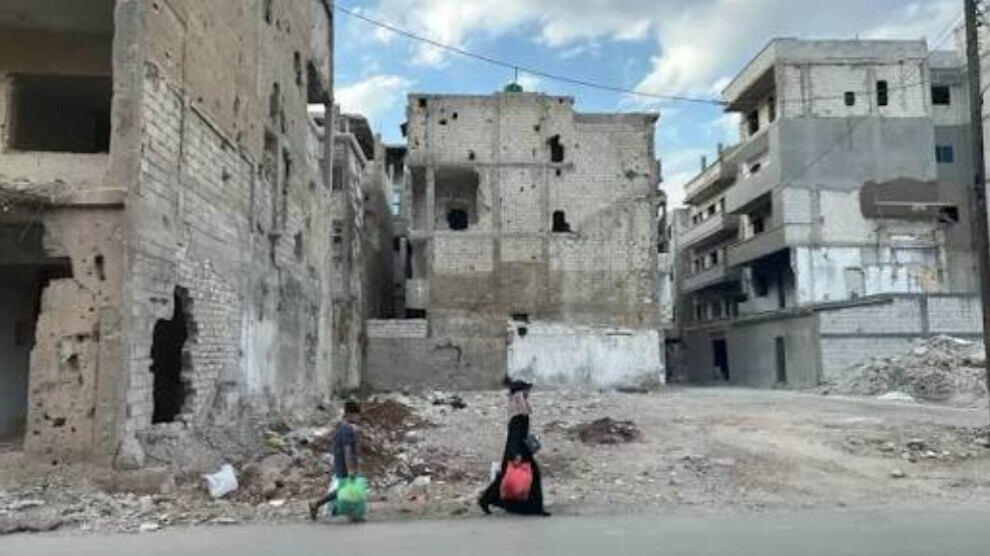
News Center — In a country weighed down by years of war, dangers are no longer confined to shells and bullets. Women now face a wide spectrum of violence extending from homes to streets and workplaces. Behind this violence, multiple narratives intertwine—family disputes, revenge, crime, and hatred—in a scene reflecting the expanding circle of threat and the decline of the protection system.
The reduction in military operations in some areas has not translated into relief for Syrians' daily reality. New patterns of violence have emerged, no less dangerous, revealing a society exhausted by years of war and burdened by escalating security and social crises. At the forefront of the affected are women, who pay the price of security chaos, the proliferation of weapons, and weak rule of law. Their killings have transformed from individual incidents into an escalating indicator of deepening societal violence.
The Syrian Observatory for Human Rights affirmed that the rise in women's killings reflects the home—supposedly a space of safety—turning into one of the most prominent arenas of violence. Dozens of women were killed by husbands, sons, or brothers, while others were subjected to sectarian-motivated attacks on roads and in residential neighborhoods. The forms of assault vary, but the outcome is the same: lives lost, families deprived of mothers, daughters, and wives—a scene that reinforces the depth of the humanitarian and social crisis and reveals the fragility of the protection system and the persistence of impunity.
The Syrian Observatory for Human Rights documented during the first half of the year the killing of 48 women, including 40 killed in 35 criminal crimes with motives ranging from family disputes, premeditated murder, theft, and other criminal circumstances. The Observatory also recorded the killing of 8 women in sectarian-motivated crimes—a toll reflecting the continued exposure of women to grave risks, whether from criminal violence or sectarian targeting, highlighting the expanding circle of threat and the weakness of the protection system.
The criminal crimes were distributed across Hama, rural Damascus, Sweida, Aleppo, Damascus, Idlib, Deir ez-Zor, Raqqa, Hasakah, Homs, and Latakia, while the sectarian-motivated crimes occurred in Homs, Tartous, and Latakia.
The Syrian Observatory pointed out that these crimes highlight the highly dangerous reality women live in Syria, where danger is not limited to criminal crimes but extends to killings with sectarian backgrounds, amid ongoing security chaos, the proliferation of weapons, and weak legal accountability.
The Observatory stressed that reducing such crimes requires effective measures to strengthen the rule of law, control weapons, hold perpetrators accountable for violations, and ensure the protection of women from all forms of violence. The continuation of this human hemorrhage portends further deterioration on both the humanitarian and social levels and reflects the fragility of the security environment in vast areas of the country.