
Syrian Observatory: 118 Women Killed in Syria in Eight Months
Despite fighting ending, wa’s repercussions still threaten Syria’s women. The Observatory documented 118 women killed since January from violence and war remnants.
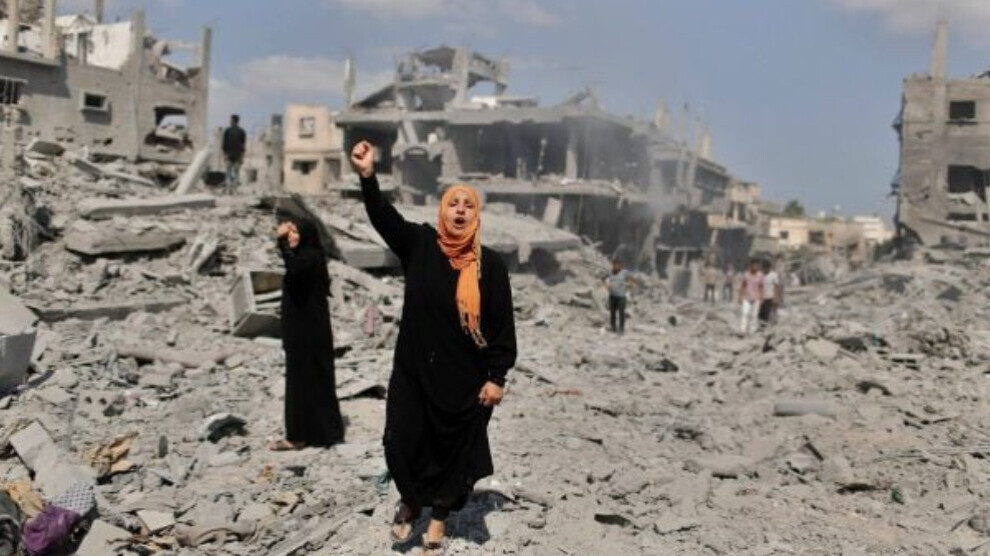
News Center_ Women in Syria continue to pay a direct price for ongoing security chaos, violence, and the legacy of years of war, as reflected in the casualty in the casualty toll since the beginning of the year. Documentation indicates that they remain exposed to sources of danger in various areas.
The Syrian Observatory for Human Rights documented the killing of 118 women in various parts of Syria from the Beginning of the year until the end of August, as a result of murder, shootings, sectarian liquidations, internal fighting, stray bullets, in addition to victims of war remnants, mass graves, shelling, bombs, and explosive devices_ reflecting the persistence of sources of danger despite the cassation of fighting.
The data shows the expansion of patterns of violece affectin women, ranging from direct security incidents to war remnants and armed violence, with the fate of a number of them remaining unknow after the remains of six women were found in mass graves and others died under unknown circumstances.
According to the Observatory’s documentation published yesterday, Thursday, September 3, Aleppo topped the list of cities in terms of the number of women who lost their lives, with 37 women, followed by Rural Damascus with 17, then Homs with 11. The remaining victims were distributed across other governorates as follows: Aleppo 37, Rural Damascus 17, Homs 11, Raqqa 8, Sweida 8, Hasakah 7, Idlib 6, Deir ez‑Zor 6, Latakia 5, Hama 4, Damascus 3, Daraa 3, Tartous 3.
January Was the Deadliest
On a monthly basis, January recorded the highest toll with 33 women, followed by July with 16, then May and February with 15 each, June with 13, August with 10, April with 9, and March with 7.
These figures show that Syrian women continue to bear the consequences of the prolonged war and its aftermath—loose weapons, explosive remnants, social divisions, infighting, and violence—at a time when the "new Syria" phase is supposed to represent an opportunity to rebuild state institutions, enhance civilian protection, and ensure women's participation in public life and decision‑making positions.
The Observatory stressed that while the country moves toward a phase that is supposed to be defined by security and stability, the toll of 118 women killed in eight months reveals that the effects of war have not ended with the cessation of fighting, and that violence still finds its way into civilians' lives in multiple forms.
The Observatory pointed out that these figures are a wake‑up call for the new phase—not only to stop violations and hold those responsible accountable, but also to ensure that protecting women and strengthening their presence in decision‑making positions becomes an actual part of the state‑building path, not merely slogans raised in a phase that is supposed to mark the beginning of emerging from the legacy of war.