
Shingal reclaims the memory of the ferman, seeks the path to justice and genocide recognition
Shingal prepares a conference on the 2014 Ferman, addressing abductees' fate, Yazidi women's resistance, and calls for unity and community rights under justice.
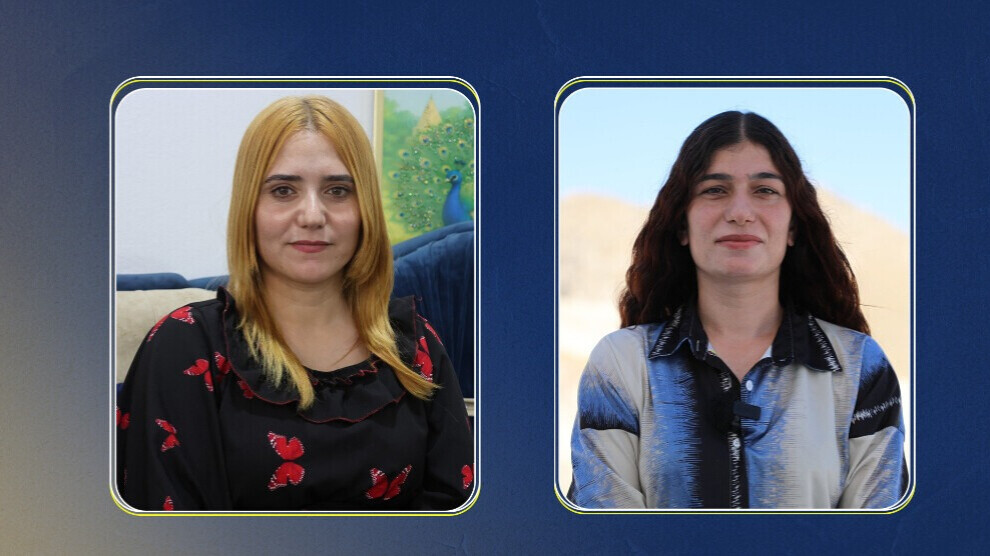
Shingal – Against the backdrop of the ongoing repercussions of the August 3, 2014 Ferman that targeted the Yazidi community in Shingal, the People's Council of Sinjar is preparing to hold a conference titled "Genocide and Democratic Integration." The event aims to shed light on the outcomes of the Ferman, advance the path toward genocide recognition, and establish a vision for democratic integration.
The conference is scheduled to take place on July 15 at the center of the People's Council of Shingal (Geliye Kers), under the theme "Transitional Justice Will Be the Basis of Democratic Integration." It will feature the participation of political and academic figures, members of the People's Council, alongside prominent Yazidi figures from both inside and outside Shingal.
"We Want Iraq to Recognize the Genocide"
Farida Shingali, a member of the coordination committee of the Yazidi Women's Freedom Movement (TAJÊ), and Bese Avesta, the co-deputy chair of the People's Council of Sinjar, emphasized the importance of holding the conference at this stage. They noted that convening it ahead of the 74th anniversary of the Ferman provides a crucial space to discuss justice issues and the rights of the Yazidi community.
Farida Shingali stated that the primary goal of the conference is to express the will of the Yazidi people, asserting: "Through the vision of the Yazidi community, we want to realize our own will. We do not want to rely on others; rather, we want the Iraqi government to formally recognize the genocide we were subjected to."
She added that the conference represents a step toward the Yazidi community obtaining its rights, explaining that thousands of Yazidi girls and women remain in the custody of ISIS, and the fate of many is still unknown. She stressed that the conference will be an opportunity to bring Yazidis together to discuss the impacts of the Ferman and the ongoing threats facing their community.
Fate of the Missing and Mass Graves on the Conference Agenda
Farida Shingali pointed out that the 74th Ferman left behind thousands of victims who were massacred collectively and buried in mass graves. She explained that despite the passage of 12 years since the catastrophe, not all of these graves have been opened, nor has the fate of many victims been revealed.
She criticized what she described as state neglect regarding this file, saying that the fate of many bodies transferred to Baghdad remains unknown, which deprives families of burying their martyrs in a dignified manner.
She added: "We were subjected to a harsh Ferman and a great betrayal. The continued failure to return the remains of the victims after all these years is painful, difficult, and unacceptable. Furthermore, the Iraqi government has not yet exerted sufficient effort to search for the prisoners and the abducted."
She noted that the conference will also address the struggle and resistance of Yazidi women during the post-Ferman years, indicating that the objective is to make the conference a foundational step toward strengthening democratic autonomous administration in Sinjar.
Protecting Yazidis Begins with Unity and Rights Recognition
The co-deputy chair of the People's Council of Sinjar, Bese Avesta , confirmed that the conference will be conducted across three main axes: the Ferman, the Genocide, and Democratic Integration. She noted that the participation of women carries special significance in the conference proceedings, given the role they played during the phases of genocide and resistance.
Bese Avesta stated that the conference, scheduled for July 15 to coincide with the approaching anniversary of the Ferman, aims to highlight the genocide suffered by the Yazidi people and work toward its recognition. She added that the passage of 12 years since that tragedy has not yet been accompanied by official recognition from the Iraqi government of the genocide against the Yazidi community.
She explained that the conference will discuss the conditions of the Yazidi girls and women who fell into the hands of ISIS—with the fate of some still unknown—in addition to examining the psychological and social impacts that the Ferman left on the Yazidi community. Light will also be shed on the resistance of Yazidi women and their pioneering roles during that phase, particularly in confronting the systematic targeting that women and girls faced.
She emphasized that women hold a central position in the Yazidi community, noting that the conference sessions will cover the history of Yazidi women, the culture and beliefs of the Yazidi community, as well as the history of the Fermans (genocides) that the Yazidis have been subjected to across various eras.
Bese Avesta called on the Yazidi community for wide participation in the conference, especially the families of martyrs and Yazidi representatives in political institutions. She stressed that unifying ranks represents an essential step to protect the Yazidi community and prevent the recurrence of tragedies.
She concluded that Yazidis today need unity to consolidate their identity and secure their rights within the Iraqi state, adding that confronting the danger of a new Ferman requires a unified stance and a shared will, and that the current phase demands that Yazidis be "one hand and one voice."