
KJK Affirms Rejection of Decision Restricting Kurdish Language Teaching and Warns Against Infringing on Rights
Reactions rejecting the decision to restrict Kurdish language teaching continue in Rojava, as the Kurdish Women's Coordination Body "KJK" considered that the decision infringes on the linguistic rights of the Kurdish people and called for its rejection.
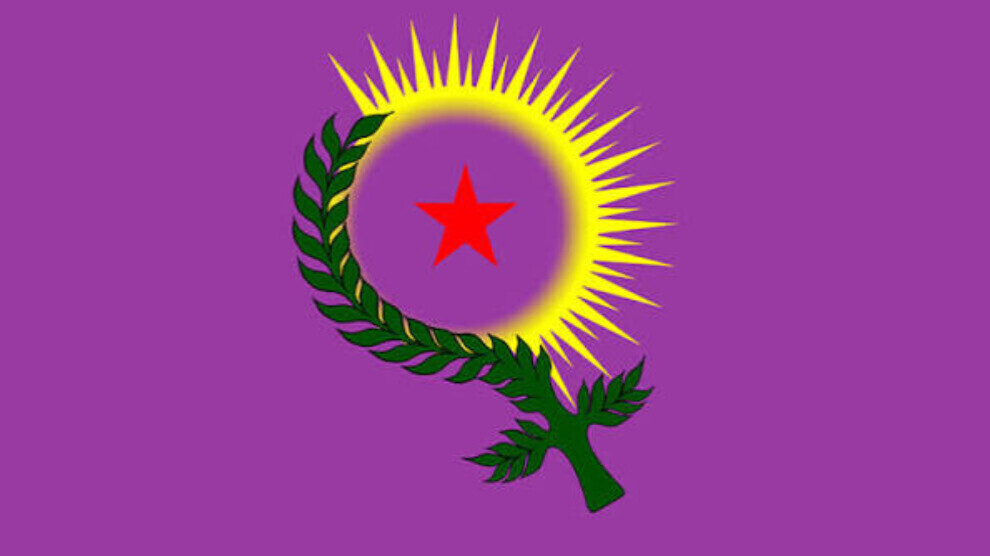
News Center — Waves of popular rejection are escalating in Rojava cities against the decision of the Ministry of Education in the Syrian Interim Government, issued on August 27, regarding the implementation of Decree No. 13, which stipulates restricting Kurdish language teaching to three weekly classes. Residents, students, teachers—particularly women—consider this a targeting of their cultural and linguistic existence.
In this context, the Kurdish Women's Coordination Body "KJK" issued a statement today, Tuesday, September 1, affirming that the decision represents an attempt to undermine the gains of the Kurdish people: "The Kurdish people in Syria are the second largest component in terms of population. Therefore, restricting their right to education in their mother tongue in this manner is absolutely unacceptable. Defining a language as a 'national language' means it is an official language, and also means recognition of the official legal status of the mother tongue. To say it is a national language without granting it official language status contradicts rights and human reality."
The statement explained that the mother tongue constitutes identity, belonging, and collective memory: "Any restriction or barrier imposed on the mother tongue is an attempt to uproot a person from their identity and consciousness. Speaking, education, and life rights in the mother tongue are existential rights that cannot be subject to debate. This measure does not target only the Kurdish people, but also means obstructing efforts to build a democratic Syria that accommodates all peoples and identities."
The coordination body pointed out that the people of Rojava have preserved their language and identity through years of struggle, and have presented a bilingual educational model that has proven the richness of linguistic diversity, stressing that the current decision threatens the future of children and youth: "Since leader Öcalan's arrival in Rojava in 1979, everyone has engaged in the struggle for freedom, culminating in the Rojava revolution that broke the denial policies. For about 12 years, from primary to university level, the people of Rojava have worked in education, and thousands of children and youth have graduated, presenting to the world a model affirming that bilingual education constitutes great richness."
At the conclusion of the statement, the coordination body called on the people of Rojava, particularly women and mothers, to reject the decision and express their stance in all arenas: "Women and mothers in particular must never accept this reality, and must stand against this decision that will hinder their children's and youth's future and make their tomorrow dark. Today is the day to defend the values that have been taken away. In the name of KJK, we salute the resistance of women and our people, and call for continuing this struggle with strength until victory is achieved."