
" JEANNA DIELMAN "... a cinematic classic from a women's perspective
The film " JEANNA DIELMAN " is considered one of the most influential films in cinema history, and has been described as the "best film of all time". This work was completed in 1975 by Belgian director Chantal Akerman.
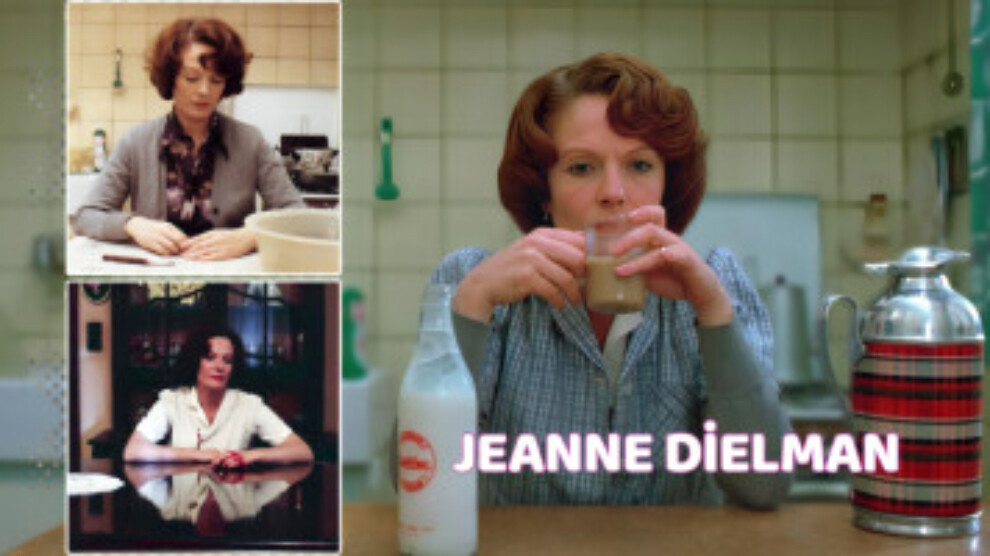
NEWS CENTER_ The film “JEANNA DIELMAN” presents a prominent model of feminist cinema within the minimalist film movement, a movement usually dominated by a male directorial perspective. Over the course of nearly two hundred minutes, the film follows three days in the life of a recently widowed woman, using a static camera and a simple narrative that allows the viewer to delve closely into details of her daily routine.
Daily domestic chores such as shopping, cooking, cleaning the house, and sharing meals with her son form the core of the story in “JEANNE DIELMAN”. Jeanne’s daily tasks are not merely passing details; they are part of her life cycle and occupy a central place in the narrative.
The limited dialogue in the film focuses the viewer’s attention more on the characters’ awareness and inner lives rather than external events. Delphine Seyrig, in the lead role, delivers a natural and powerful performance that deeply contributes to building this cinematic atmosphere.
"Jeanne Dielman" does not stop at depicting a woman's daily life; at the same time, it raises profound questions about domestic work, social roles, loneliness, and the individual's relationship with the self. The film's ending takes the story to a completely different level, opening a path for the viewer to reflect on the impact of what they have seen.
This film, which is based on women's experience and is a pivotal milestone in feminist cinema, offers an important viewing experience for anyone interested in film history. For those who might hesitate due to the film's length, the available short analysis clips and reviews can serve as a good starting point.