
Female Workers in Rask Demand Remote Work Amid Escalating Security Risks
Rask healthcare workers urge remote work due to proximity to a Revolutionary Guard base and rising US attacks, citing employee safety and family fears.
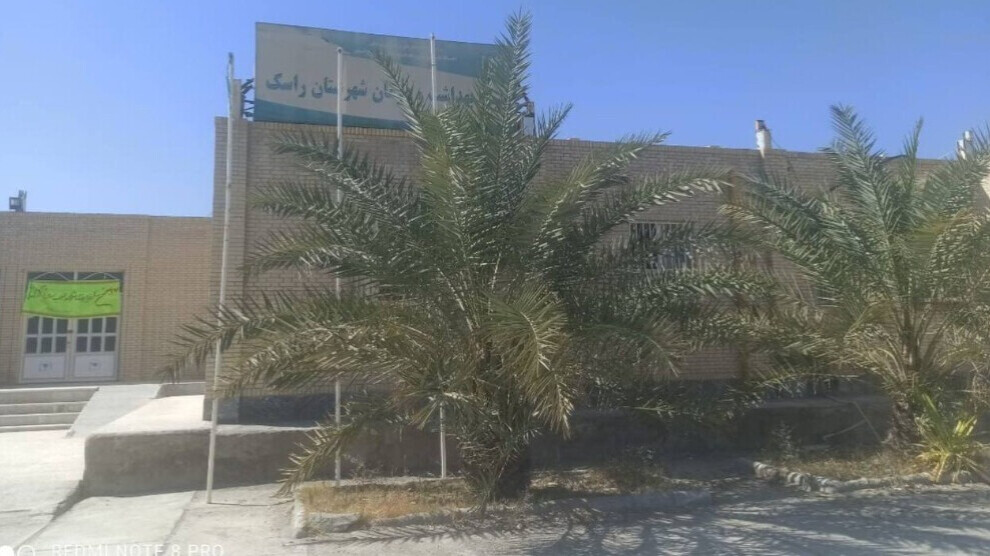
News Center — Debate in Iran has been renewed over the placement of military installations near civilian centers, with growing fears over the impact of this proximity on residents' safety, especially in areas experiencing recurring security tensions.
Female workers in the healthcare network in Rask County have demanded that authorities adopt a remote work system amid escalating US attacks on southern Iran and growing security fears in Sistan and Baluchistan, due to the network's facility being located near a Revolutionary Guard center. The employees believe that continuing to work under such conditions exposes them and their families to grave risks.
According to human rights media, a group of female network workers submitted a formal request to the University of Medical Sciences and relevant authorities, calling for the adoption of remote work or a reduction in daily attendance in departments where the nature of tasks allows it, given the tense security conditions the region is experiencing.
This request comes at a time when the southern regions of Sistan and Baluchistan have faced unstable security conditions in recent days following US attacks, with citizens' fears growing over the possible expansion of the conflict.
According to the report, network employees stated that the building where they work is located near a Revolutionary Guard headquarters—a problem that has increased their and their families' fears about the possibility of this area being targeted.
The employees affirmed that despite the critical conditions, they remain committed to providing medical and health services to citizens, but they believe that maintaining the health and safety of employees should be part of crisis management planning, and that officials are obligated to take necessary measures to reduce potential risks.
The female workers at the complex called on authorities, given the security conditions the region is experiencing, to adopt a remote work system for tasks that can be performed outside the workplace, or at least to reduce employees' daily attendance, affirming that such a measure would ensure the continued provision of services while reducing the security concerns faced by employees and their families.
This request has reopened the issue of establishing military and security centers and bases near residential, administrative, and service areas, becoming a central topic of debate. Human rights activists and international humanitarian law experts have warned that the establishment or expansion of military centers near civilian centers—including hospitals, medical centers, schools, and residential areas—may expose the lives of citizens and civilian workers to greater risks during armed conflicts.
While healthcare workers play a vital role in providing medical services to citizens, the female workers' request for remote work reflects the growing concern of civilian personnel who find themselves caught between the necessity of continuing their service and the risks posed by proximity to military installations.