
El Obeid on the Brink of a New Displacement Crisis as Fighting Escalates
UN warns El Obeid's crisis deepens as conflict expands, basic services collapse, risking new displacement, hunger, and blocking aid to millions in Sudan.
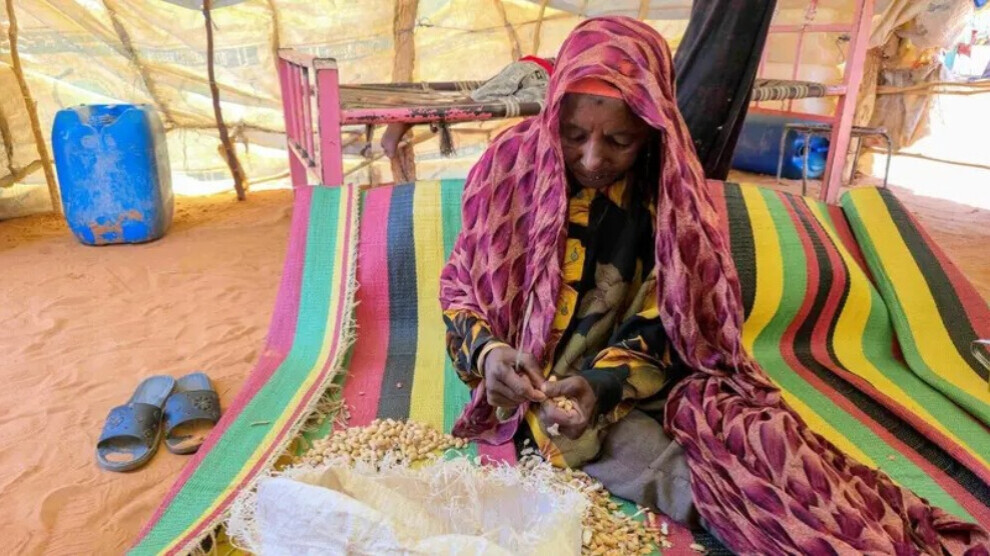
News Center — The circle of humanitarian needs in Sudan continues to expand as fighting persists between the Sudanese army and the Rapid Support Forces, worsening the deterioration of basic services and increasing pressures on residents and displaced persons.
The United Nations warned yesterday, Friday, July 17, of deteriorating humanitarian conditions in El Obeid, the capital of North Kordofan State, considering that the continuation of conflict and escalating insecurity could turn the city into a new epicenter of displacement and famine in Sudan, amid the expanding scope of the ongoing conflict between the Sudanese army and the Rapid Support Forces.
The UN Office for the Coordination of Humanitarian Affairs (OCHA) indicated that El Obeid, which already hosts large numbers of displaced persons fleeing conflict zones, is facing increasing pressure on basic services, with declining supplies of food, medicine, and fuel, and unprecedented rises in the prices of basic goods. It affirmed that continued security restrictions and difficult humanitarian access threaten to worsen the suffering of both residents and displaced persons.
It explained that North Darfur State represents a major transit point for humanitarian aid destined for the Darfur region and other conflict-affected areas, warning that any military escalation around El Obeid could disrupt humanitarian supply lines and further complicate the delivery of aid to millions in need in western Sudan.
According to relief organizations, continued fighting has displaced thousands of families from villages and areas surrounding El Obeid, while shelters suffer from severe overcrowding and a shortage of basic services, including drinking water and healthcare. Medical facilities also face acute shortages of medicines and medical supplies, limiting their ability to respond to growing needs.
Food insecurity in Sudan has reached a critical stage, according to UN confirmations, as millions face the risk of acute hunger with increasing chances of famine worsening in several areas due to continued conflict and difficult humanitarian access. The organization called for respect for international humanitarian law, protection of civilians, and ensuring the unimpeded flow of relief.
UN agencies also clarified that the ongoing fighting around El Obeid threatens to expand the scope of the humanitarian crisis, given that wide segments of the population depend on food aid. They stressed the necessity of securing humanitarian corridors and providing protection for relief workers to ensure the continuation of aid distribution operations.
Sudan has been experiencing conflict between the Sudanese army and the Rapid Support Forces since April 2023, resulting in one of the world's largest humanitarian crises, according to the UN. The conflict has displaced more than 12 million people within and outside Sudan, while more than 30 million people need humanitarian assistance, amid repeated warnings of worsening hunger and the ongoing collapse of basic services in several states, including North Kordofan, if a ceasefire and facilitated humanitarian access are not urgently achieved.