
Conflicts Push Millions of Children Back Into the Danger of Preventable Diseases
Millions of children still lack essential vaccines, especially in conflict and humanitarian crisis zones. International organizations warn that ongoing difficulty reaching affected populations could seriously undermine efforts against infectious diseases.
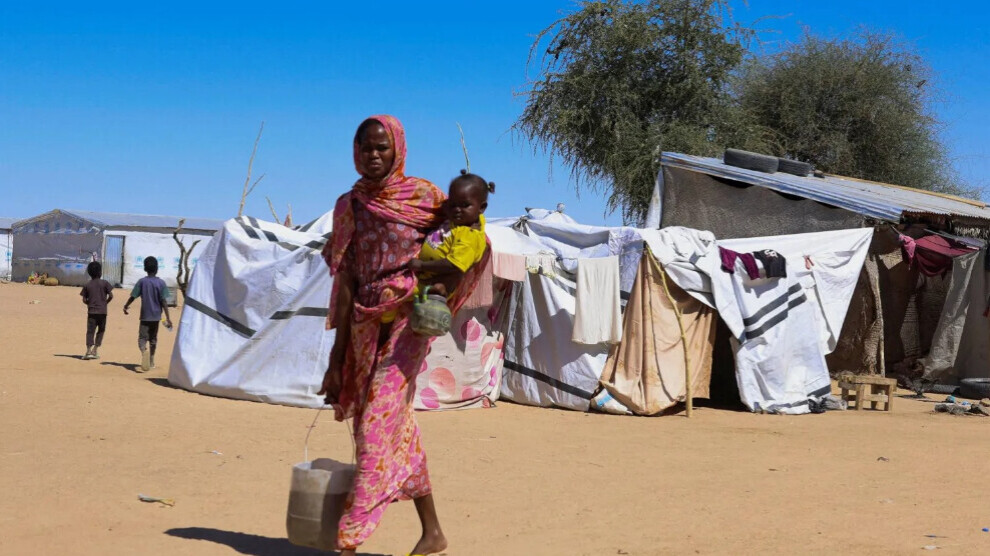
News Center — Despite a limited improvement in child vaccination rates worldwide during 2025, millions of children remain deprived of basic protection against preventable diseases, amid the continuing impact of armed conflicts, declining international funding, and the resurgence of a number of infectious diseases in different regions of the world.
According to the latest immunization estimates released by the World Health Organization and the United Nations Children's Fund (UNICEF) today, Wednesday, July 15, around 90 percent of infants worldwide — approximately 116 million children — received at least one dose of the combined vaccine against diphtheria, tetanus, and pertussis during 2025.
Around 85 percent of them also completed the recommended three doses, an indicator reflecting limited progress in efforts to expand health coverage.
However, this progress remains fragile, according to officials from the international organizations, who warned that the gains achieved over the past years could suffer a setback due to the growing crises facing healthcare systems, especially in countries affected by war and instability.
The head of UNICEF's global immunization section said the current improvement is "extremely fragile" and could quickly reverse, noting that the number of children who did not receive a single dose of vaccines fell from 14.2 million in 2024 to 13.5 million in 2025 — but this figure remains about four million children higher than the level required to achieve the goal of halving the number of unvaccinated children by 2030, compared to 2019.
He explained that more than half of the world's unvaccinated children live in countries experiencing armed conflicts or security crises, including Syria, Yemen, Sudan, and Palestine, even though these countries account for only about a third of the world's total births. According to health officials, this reflects the direct impact of wars on the ability of governments and humanitarian organizations to reach children and provide them with essential health services.
The challenges are not limited to conflicts alone, as the World Health Organization notes that the international funding cuts that began at the start of 2025 have not yet fully shown their effects in current statistics, but they raise serious concerns about the future of vaccination programs during 2026, especially in regions that rely heavily on external support.
The Director of the Department of Immunization, Vaccines, and Biologicals at the World Health Organization said the world is currently witnessing "real gaps" in immunization systems, warning that the consequences of these gaps could become more apparent in the coming period, with an increased likelihood of the spread of infectious diseases.
She noted that the organization has already begun observing the effects of declining health coverage in the form of an increase in outbreaks of diseases that could have been curbed through vaccines, such as measles, diphtheria, and cholera.
Public health experts believe that the continuation of conflicts, weak funding, and difficulty accessing affected areas together constitute a threat to global efforts aimed at protecting children from infectious diseases, warning that any decline in vaccination programs could result in the loss of years of health progress achieved globally.