
Avan Karim: The Current Phase Requires Kurdish Unity and Engagement in Peace
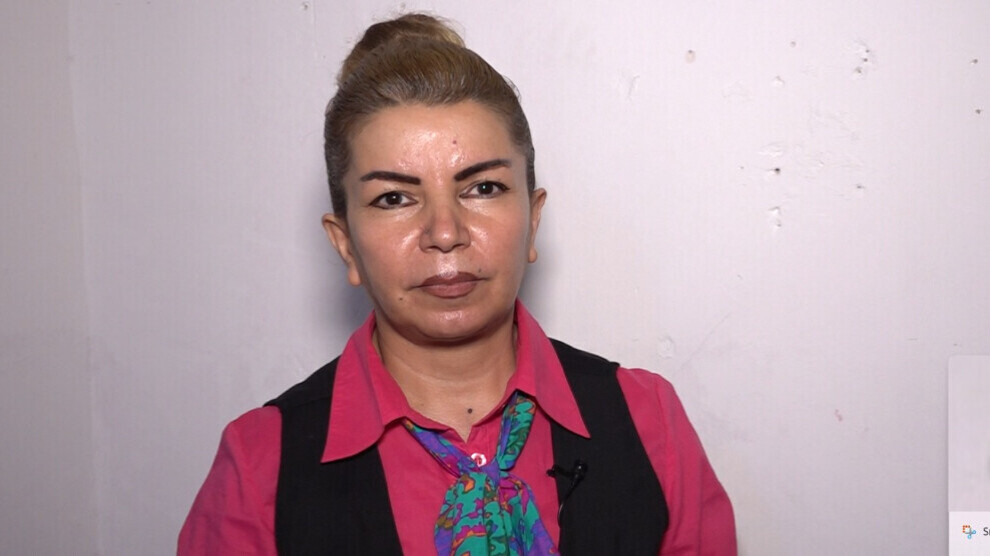
Journalist Avan Karim calls the peace process a historic chance for Kurds to secure rights, with Öcalan as chief negotiator, requiring his physical freedom.
HELEN AHMED
Sulaymaniyah_Amid the rapid transformations taking place in the Middle East, the peace process has emerged as a pivotal path for the region’s peoples, particularly the Kurdish people, who find themselves facing a new political phase that requires unifying positions and strengthening political and rights-based presence.
Despite the initiative launched by leader Abdullah Öcalan on the peace process and building a democratic society, journalist Avan Karim believes that Turkey's engagement with the process remains tactical in nature, while leader Öcalan and the Kurdish people continue their efforts to consolidate peace—not only in Turkey but across the Middle East.
The Necessity of Consolidating the Kurds' Position
Avan Karim stresses that the current phase the Middle East is going through carries deep changes, amid the struggle of capitalist powers and political Islam currents over influence and the reshaping of the region.
She says these transformations have not excluded any of the countries where the Kurdish people are dispersed, making it essential for Kurds to establish their presence and political position, and to be active parties in the ongoing peace processes with the countries within whose borders they live.
She believes that the Kurds' failure to engage in these political transformations and the peace process may expose them, according to political analyses in the region, to major risks in the future, particularly given the possibility of the return of conflicts and attacks that may target their existence.
She noted that leader Öcalan had previously warned of these transformations and called on Kurdish political forces to recognize the nature of the phase, stressing that Kurds could turn these changes into a historic opportunity if they enter them with a unified position.
The Peace Process Is a Historic Opportunity
Avan Karim stressed that the peace process is not a path that concerns only one part of Kurdistan; it can have repercussions for the entire Kurdish people.
She cited what is happening in Rojava, where Presidential Advisor Mazloum Abdi and politician Ilham Ahmed have entered a negotiating path with the Syrian government, affirming that engaging in negotiation and dialogue processes allows Kurdish forces to define their political position and defend their rights within the new transformations.
She considered that what has been achieved for Kurds in Rojava represents an important gain, especially after decades of denial of their existence and rights, noting that what is happening in North Kurdistan can in turn be an important source of hope, rights, and freedoms for Kurds in other parts of Kurdistan.
She pointed out that the Kurdish people must realize that the goal of struggle is to reach peace, consolidate rights, and establish the Kurds' existence. If the states that have practiced repression against them recognize their rights and open the door to negotiation and reaching political agreements, accepting this path becomes a necessary step toward achieving future goals.
The Kurdistan Region Faces a Fateful Test
Speaking about the Kurdistan Region, Avan Karim noted that the Region has been an important supporting factor for the rest of Kurdistan over the past years, and enjoys a Kurdish governance experience spanning about 35 years. However, it is currently going through a deep political crisis, pointing to the paralysis of parliament and the failure to form a government, as well as the continuation of disagreements between the two main parties. She considers that the lack of agreement between the ruling forces places the Region before serious challenges.
She explained that leader Öcalan sent a message in recent days to the leaders and officials of the Kurdistan Regional Government, stressing the need to unify ranks, strengthen political power, and enter the peace process with greater capacity to influence.
Avan Karim warned that the issue of the Peshmerga forces is one of the most dangerous files facing the Region, amid demands to integrate them within the legal framework of the Iraqi state.
She believes that the continued division of Peshmerga forces between two forces loyal to the two main political powers weakens the Region's position, stressing the need to unify these forces within a clear legal framework, preserving their role and status and preventing political differences from becoming a threat to the Region.
She stressed that weakening or dismantling the Peshmerga force could lead to a decline in the Kurds' political influence within Iraq, noting that losing tools of power and influence may open the door to further loss of powers and resources.
Peace Requires Real Guarantees
She stressed that the peace process in North Kurdistan and Rojava is moving, in her view, in a positive direction, and praised the pivotal role played by leader Abdullah Öcalan as the chief negotiator and the driving force behind the peace process and the building of a democratic society.
However, she also believes that the continuation and sustainable success of the process require fundamental conditions, foremost among them ensuring the physical freedom of leader Öcalan and the release of prisoners. She stressed that the peace process cannot achieve sustainable success if restrictions on the leader and prisoners remain, while also calling for strengthening women's role and expanding their presence in confronting nationalist mentalities and gender‑based discrimination.