
Algeria Sets Conditions for Women’s Representation on Municipal Council Candidate Lists
Algeria’s plan to allow election lists to bypass the one-third women’s quota has sparked debate on women’s political representation and potential rollback.
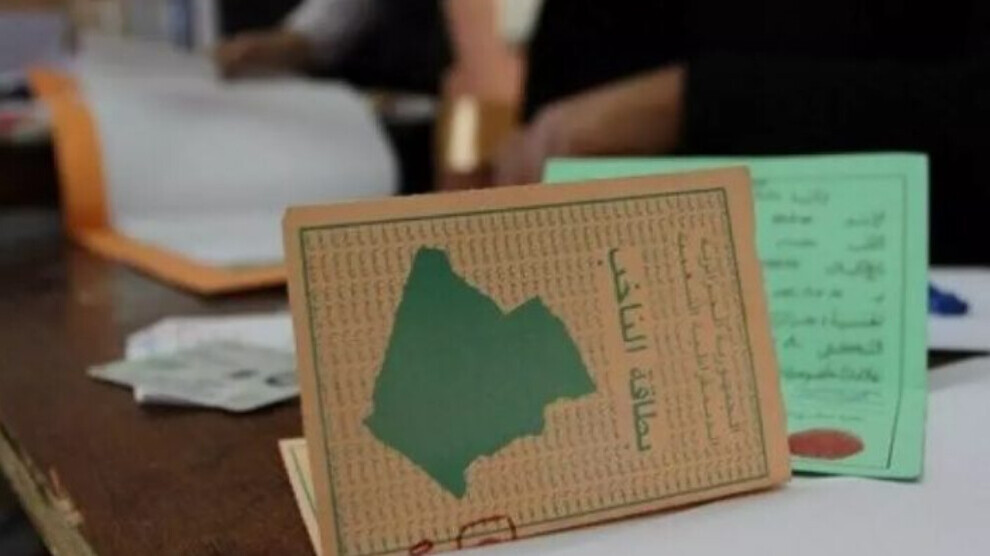
Algeria — The National Independent Electoral Authority in Algeria has revealed the conditions required for forming candidate lists for municipal councils, requiring women's representation at one‑third in municipalities with populations exceeding 20,000, while allowing lists that fail to meet this condition to submit a request for exemption—a measure that has sparked widespread debate about its impact on women's empowerment.
According to clarifications issued by the Independent Electoral Authority in a statement on the conditions required for candidates, the formation of candidate lists, and endorsement formulas on the occasion of the election of members of municipal and provincial people's councils, lists submitted for elections must, under penalty of rejection, allocate one‑third of the list to women candidates. However, this applies only to municipalities with a population exceeding 20,000, and at least half of the candidates should be under forty years of age on election day.
Regarding the women's quota, the statement included an exceptional formula allowing lists to request an exemption from the one‑third requirement from the Independent Electoral Authority, in line with the local specificities of some municipalities—a measure that has sparked widespread controversy in Algeria's political scene, with analysts and activists divided over its effects, between those who see it as a realistic and practical facilitation for parties and free lists, and those who consider it a step backward that could clearly limit women's political gains.
Observers express concern that the expanded application of this exception could lead to a gradual and continuous reduction of women's presence in elected councils and legislative institutions. These concerns go beyond the numerical dimension to affect the political practice of parties and free lists; there is fear that requesting exemption could become an "easy option" and a legal pretext that relieves political formations of the effort of seeking and attracting women's competencies, or abandoning their genuine integration into the electoral and organizational environment of party work, threatening to empty incentive laws of their content.
This approach is not a precedent in the country's electoral path, as authorities have previously resorted to this exceptional clause in previous stages, specifically during the amendments to the organic law on parliamentary elections in 2021, when authorizations were opened for party and free lists to bypass the full mandatory quota.