
35 Troupes… Children of Rojava Prepare for Their 11th Festival
Preparations continue in the city of Rimelan , Rojava, for the 11th edition of the Children’s Festival, with the participation of tropes preparing to present performances in music, theatre, folk dance, painting, and games.
NAGHAM JAJAN
Qamishlo_ Children's festivals are important cultural and social events, playing a significant role in bringing smiles to children's faces and creating spaces for joy, learning, and connection.
Children's festivals are not limited to entertainment alone; they contribute to the development of imagination, increasing children's self-confidence, and reinforcing values of cooperation, love, and belonging. At the same time, these festivals provide families and communities with an opportunity to gather around meaningful activities that affirm commitment to childhood as the foundation for building the future.
This year, preparations are also underway for the 11th edition of the Children's Festival, under the supervision of the Golden Crescent Movement and with the assistance of the Mesopotamia Culture and Art Movement, in the city of Rimelan in Rojava.
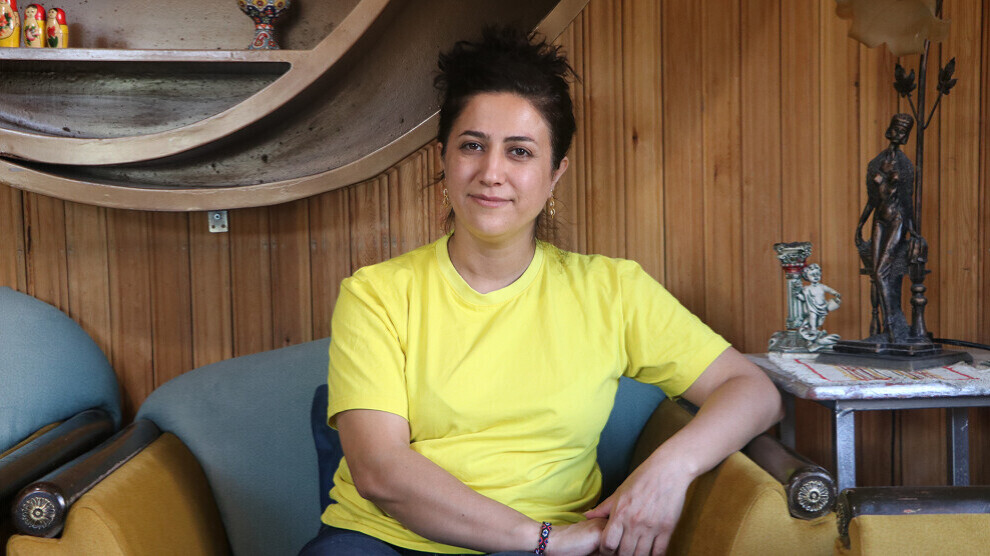
Regarding the preparations, Berivan Botan, a member of the Golden Crescent Movement's music committee and a member of the festival's preparatory committee, said: "As in every year, the festival will be held at the Aram Tikran Center in Rimelan. It will last for three days, starting on September 1 and concluding on September 3, with the crowning of the participating groups and the presentation of gifts."
The children will present performances in various artistic fields, including music, painting, theatre, and other arts. "The 35 children's troupes will present their work in the fields of music, theatre, folk dance (dabke), games, and a painting exhibition. This year, the festival will be held at the level of the Jazira region only. Due to changes in the region's geography as a result of recent attacks, only 35 children's troupes were able to prepare for participation this year. According to the plan, around 11 to 12 troupes will take the stage each day."
Berivan Botan noted that preparations have been ongoing for about four months: "Since we are going through different circumstances and changes this year, it is natural that the festival will also be somewhat different. For four months, children have been receiving intensive training in preparation for participation in the festival, and we have been helping and supporting them as much as was needed and required. After monitoring the troupes in all cities, the preparatory committee selected the most successful, distinguished, and talented troupes."
Regarding the festival's objectives, she affirmed: "Children are our future, so we want them to develop a close connection with their authentic culture, and not spend their time on empty things. This festival is a great opportunity. When each child reads poetry in their mother tongue and dances their dabke derived from their culture, that in itself is a success. It is important that our children are engaged in art and culture, and that they grow up rooted in the culture and thought of their mothers, fathers, and grandparents."
She added: "When you teach a child—whether in an art school or an educational school—difficulties and fatigue are natural. But when one sees the children's enthusiasm and passion, one forgets those difficulties. Most importantly, all children of the world should preserve their arts and care for them."