
Walida Buti: Failure to recognize the YPJ is a denial of women’s historical struggle
Walida Buti: Official recognition of YPJ is no longer just a demand but a necessity to protect women's struggle. Ignoring it reproduces the darkness ISIS tried to impose.
Ronida Haji
AL-Hasakah _ The debate is escalating in Syria and the world about the necessity of official recognition of the Women’s Protection Units(YPJ), as a force that played a pivotal role in confronting terrorism and defending women, amid warnings that ignoring this role may reproduce the darkness that extremist organizations tried to impose.
At a critical stage that Syria and the region are going through, the discussion about women's position and their role in security and defense returns to the forefront, especially after years of war that revealed the scale of sacrifices women made in confronting terrorism.
While calls are increasing for official recognition of the YPJ within state institutions, many believe that this recognition is not merely an administrative step but an intellectual shift that restores the dignity of women's struggle and immunizes society from the return of systems of marginalization and darkness.
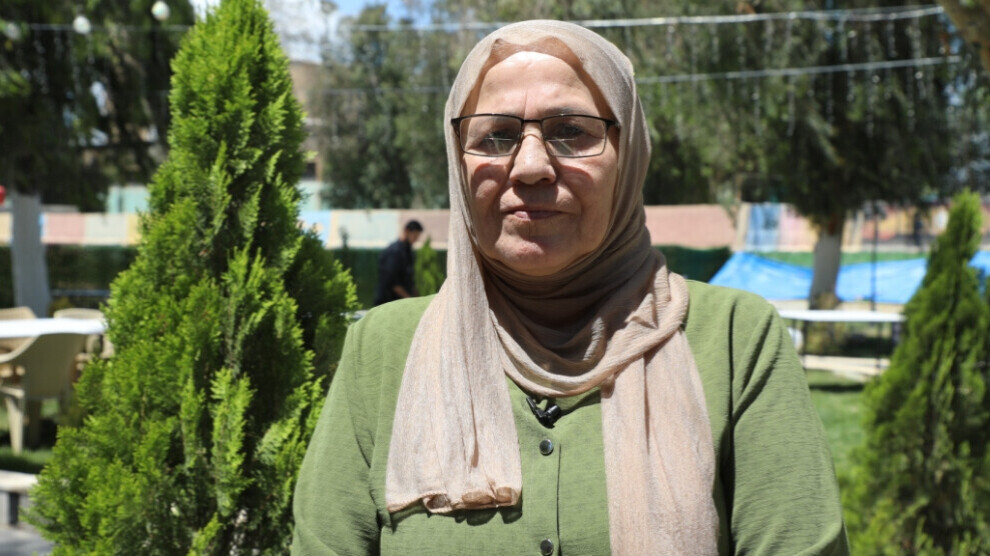
Regarding the importance of official recognition of the YPJ, Walida Buti, a member of the Council of Religions and Beliefs, affirmed to our agency that official political recognition of the YPJ means acknowledging that women are not merely assistants or holders of secondary roles, but are fundamental partners in decision‑making, especially in security and defense issues.
She believes that ignoring this role means accepting the reproduction of the darkness that ISIS tried to impose on society. "If the protection of women as the (YPJ), which defends the world against the darkness of terrorism, is not recognized, then attempts to create the dark consciousness that ISIS wanted will return again."
"YPJ left a historical impact on a global level"
She stressed that the struggle of the YPJ was not only military but also humanitarian and ethical, as this force considered itself responsible for protecting every woman, regardless of her affiliation.
She explained that women saw in the YPJ a safe haven during the war against ISIS, noting that the fighters' struggle to protect Yazidi women in Shingal was a landmark that resonated globally. "Women look to the YPJ as their protectors. During the war against ISIS, women asked the YPJ to save them from the darkness of that terrorism. The YPJ considers itself responsible for protecting every woman. An example of this is their struggle to protect Yazidi women in Shingal, a moral and humanitarian struggle that resonated widely around the world."
"YPJ broke a 5,000‑year‑old patriarchal legacy"
Walida Buti pointed out that the patriarchal system that ruled women's lives for thousands of years tried by all means to break their will and confine them within narrow boundaries. However, the establishment of the YPJ, she says, constituted a historic turning point, restoring women's confidence in their strength and ability to overcome the restrictions imposed on them.
She added: "For 5,000 years, women lived under a patriarchal system based on violence and exploitation. This system gave women no faith or space outside the boundaries imposed on them. With the establishment of the YPJ, every woman's confidence in her strength and will grew. Women broke the boundaries set to subjugate them, and the YPJ became an example of strength."
"Women have always been pioneers in all religions and beliefs"
She noted that women have always been pioneers in all religions and beliefs, playing an important role in leading their societies and participating in all fields, including military, but history has not done them justice.
Regarding the transformation in the lives of women in Rojava, especially, and neighboring areas in general, she says: "Over 15 years, the YPJ has reshaped the concept of women's leadership by organizing itself and waged a struggle that brought about a transformation in consciousness. Recognizing the YPJ will protect women's struggle from marginalization or oblivion."
Walida Buti warns that ignoring women's role in the new Syria will return the country to the same cycle of exclusion it suffered for decades, affirming that failure to recognize their role in all institutions, and being content with just one woman in multiple ministries, is a form of injustice and a denial of women's historical struggle.
She concluded: "Rejecting the policy of denial and raising the level of struggle is the strongest response. Recognizing the YPJ and ensuring women's role in the constitution is an essential step to liberate Syria from the darkness of the past."