
Tunisia… launch of “Together for Safe Motherhood” campaign to enhance maternal and child health
Under ‘Prenatal check-ups are safety for you and your baby,’ Tunisia launched a campaign to boost reproductive health services and support pregnant women’s follow-up, with obstetrics specialists and civil society.
Naziha Bousaidy
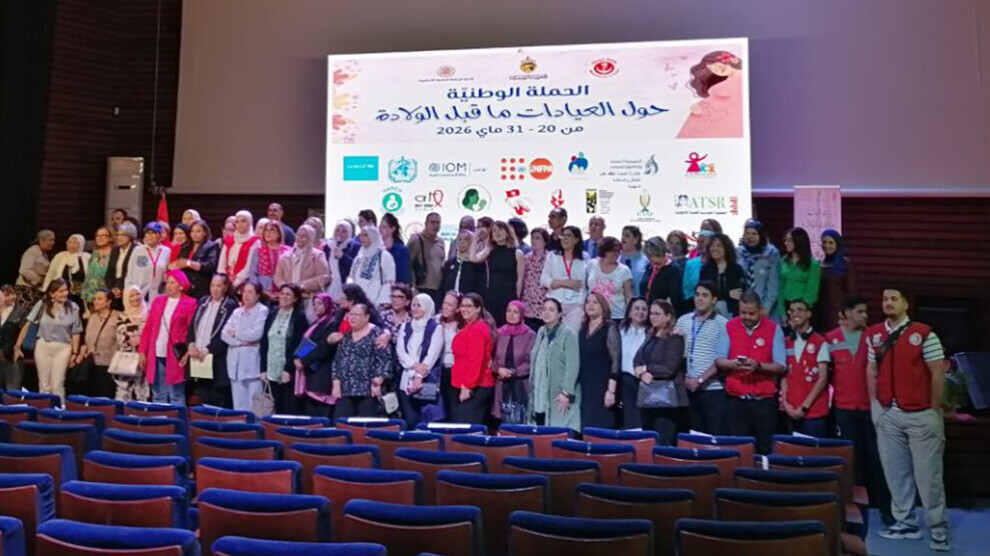
Tunis _ Participants in the National Day of Maternal Health called for strengthening medical follow-up during pregnancy and facilitating women’s access to health services,especially rural women and those with disabilities. They affirmed the importance of supporting health structures to ensure safe motherhood and improve maternal and child health indicators.
The Primary Health Care Department of Tunisia announced yesterday, Wednesday, May 20, the launch of the national campaign for prenatal check-ups under the supervision of the Ministry of Health, during an event that witnessed a broad attendance of obstetrics specialists and representatives of civil society organizations concerned with maternal health.
This campaign, which carries the slogan “Prenata check-ups are safety for you and your little one,” is part of the ministry’s efforts to restore the momentum of reproductive health services and raise community awareness about the importance of medical follow-up during pregnancy. The initiative also aims to support health structures in guiding pregnant women toward the necessary periodic examinations to ensure their safety and the safety of the fetuses.
"Your health is everything"
On the sidelines of the National Day of Maternal Health, organized yesterday at the City of Sciences in the Tunisian capital, Dr. Narjes Ben Ammar, coordinator of the national program for maternal and child health, told our agency that the official announcement of the first National Day of Maternal Health represents a "newborn" added to the Tunisian women's care system.
She explained that this national event will be followed by the launch of a national campaign titled "Prenatal check‑ups are safety for every little one," which will continue until May 31, aimed at raising awareness of the importance of regular medical follow‑up during pregnancy.
She added that this "newborn" aims to send a clear message to every pregnant woman: that the health system remains her support even if she neglects her own health, and that delay in medical follow‑up could expose her and her baby to risks that can be avoided through regular visits to prenatal clinics.
She affirmed that prevention is a fundamental pillar during pregnancy, stressing the need for pregnant women to undergo five medical check‑ups throughout the months of pregnancy, as this follow‑up allows for the early detection of health gaps and intervention to address them before they worsen.
People with disabilities face challenges
For her part, Bouraoui Al‑Akrabi, spokesperson for the Tunisian Organization for the Defense of Persons with Disabilities, affirmed that mothers with disabilities face double challenges during the health follow‑up process. She pointed out that "their patience and efforts are far greater than imagined." She explained that a number of pregnant women with disabilities do not receive direct medical communication; some doctors speak to their companions instead of addressing them, while deaf women face additional difficulties due to the absence of sign language interpreters in clinics, which requires double effort to guarantee their right to health information.
She added that the organization still faces problems related to difficulty of movement and access to health services, in addition to economic fragility and the absence of free treatment, as the disability card does not allow receiving health services free of charge.
Supporting women's health
For her part, Zahra Al‑Naffaf, a member of the executive bureau of the Farmers' Union, said that the female farmer – whether on land or at sea – bears double burdens, combining hard work in the fields or in fishing with family care responsibilities. This makes her in urgent need of continuous support. She affirmed that safe motherhood cannot be discussed without providing appropriate health conditions, ensuring regular follow‑up and health education, and facilitating access to services for women in rural and remote areas.
She pointed out that the Farmers' Union, through its regional and local structures, works to support the health of rural women through partnerships with various stakeholders, by organizing health and awareness caravans aimed at raising awareness and ensuring the delivery of basic services to female farmers.