
UN: Lebanon faces worst displacement crisis in its modern history
Lebanon is witnessing one of the worst waves of displacement in its modern history, as UN announced that the number of displaced people has exceeded one million, including more than 150,000 living in overcrowded camps, shelters.
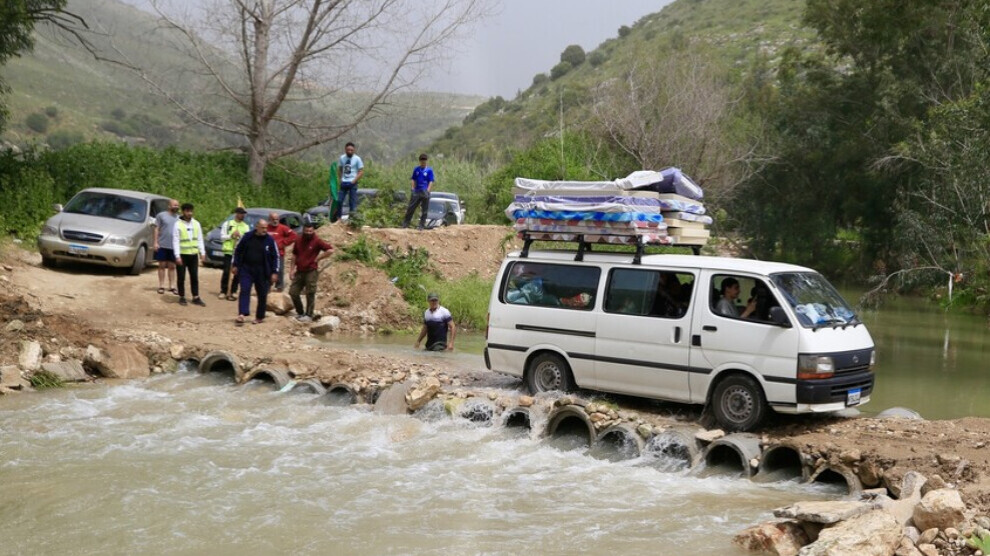
News Center – As military operations continue since March 2026, international organizations are warning of the worsening humanitarian catastrophe in Lebanon, with the collapse of basic services and rising risks of insecurity.
The Associated Press reported, citing the United Nations today, Thursday, April 30, that the displacement crisis in Lebanon has reached an unprecedented level, with the number of displaced people exceeding one million, while more than 150,000 of them are living in camps.
The report explained that these displaced people are staying in tents or temporary buildings, some of them trapped in isolated areas, especially in the south. The UN and Lebanese authorities estimate that between one and 1.3 million people have been forced to leave their homes since military operations escalated on March 2, 2026.
UN data (OCHA) and UNRWA show that the displaced are distributed across more than 616 collective shelters, mostly schools and public buildings in Beirut, Mount Lebanon, Tripoli, Akkar, Sidon, and the south, in addition to centers in Zahle and Baalbek-Hermel. Organizations such as "Ameel," UNRWA, and local associations oversee these overcrowded centers.
Daily Israeli warnings against returning to about 74 southern towns further complicate the situation, placing Lebanon in a state of "no safe place," amid growing risks of food insecurity, continued displacement waves, and the accelerating collapse of infrastructure and basic services.