
Escalation of pressure on female prisoners in Evin Prison and threats of solitary confinement
Evin Prison reports a new circular in the women's wing threatens female prisoners with solitary confinement and phone call cuts if they join the "No to Execution Tuesday" campaign.
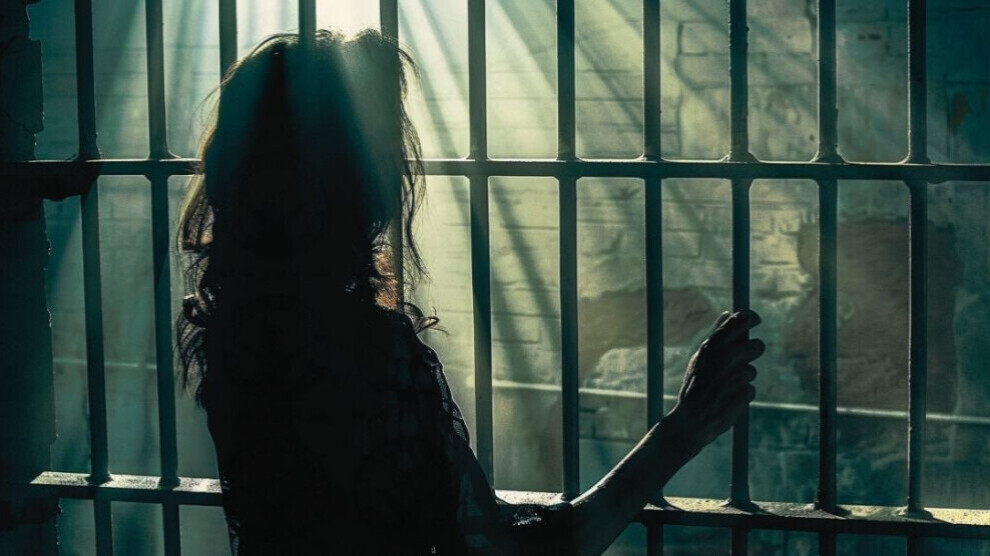
News Center-Recently, the condition of prisoners in Evin Prison have witnessed a notable deterioration due to increased restrictions inside the prison and expanded measures affecting daily lives of inmates.
Media reports published today, Friday, April 24, revealed increasing pressure on political prisons in Evin Prison, especially in the women’s wing. It is said that the prison director issued a new circular imposing further restriction to counter prisoner protests.
The reports indicate that the circular warns prisoners that any protest, strike, or even chanting slogans will be considered a violation met with strict measures, most notably transfer to solitary confinement. One of the main focuses of this directive is to ban the continuation of the “No to Execution Tuesday” campaign, a campaign formed by a number of political prisoners to protest death sentences and draw public attention.
According to the reports. Prison officials announced that participation in this campaign would lead to prisoners being transferred to solitary confinement and having their phone calls cut off.
Informed sources also indicated that the threat of solitary confinement and restricting
Communication with family were among the main tools used to control prisoners during this period even though communication with family and the right to peaceful protest are considered basic rights of prisoners.
Many human rights organizations consider solitary confinement a tool of severe psychological pressure, and its use in response to protests has faced continuous criticis. Cutting phone calls may also increase pressure on prisoners and their families.
The escalation of these measures has raised concerns about the situation of political prisoners in Evin Prison, amid warnings from observers that the continuation of this trend could lead to a deterioration in detention conditions and increased psychological and physical pressure on prisoners.