
Refusing to Guarantee Women’s Rights in the Constitution is a Refusal of Gender Equality.
Women in Rojava are closely following the implementation of the agreement between the Syrian Democratic Forces and the interim Syrian government, yet the absence of important files from the negotiation table concerns them.
Sorkel Sheikho
Tall Tamr_While the agreement between the Syrian Democratic Forces and the interim Syrian government is being gradually implemented in Rojava, many questions arise in the minds of women from the Arab component who participated in the revolution, as they search for answers.
How Will a New Syria Be Built?
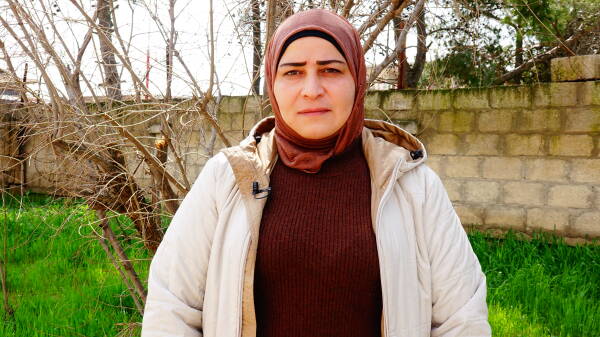
Among these women is Samah Mohammed, who says that what worries them about the integration process is the disregard for women's role, especially after the leadership roles they attained in the Autonomous Administration system in North and East Syria.
She emphasizes that women's presence is important in all walks of life, from the social sphere to the military and beyond, but "what worries us is the transitional government's failure to recognize women's role and rights, and indeed its rejection of them."
She believes that the changes that will take place in Syria, with the interim government recognizing women's rights and will, will include "women in Syria playing an active and influential role in all fields. This requires recognition of their rights and existence. Then we will witness a new, modern Syria. By guaranteeing women's rights in the constitution, a new spring will flourish in Syria, and then a civilized society that respects everyone's rights will be established."
As she explains, it is necessary to "ensure the changes that came with the Rojava revolution" through recognizing rights in the constitution, recalling the period before the Autonomous Administration was established: "During the Baath Party era, women's rights were ignored and their existence denied. Women had no role or will. But during the fourteen years of the Rojava revolution, this outlook and awareness have radically changed. Men who used to practice violence against women now speak of them with respect and coexist with them according to the concept of equal life, and they respect their existence and decisions. Therefore, recognizing women's rights will change the view of Arab, Alawite, and Druze men towards them, and will contribute to building a developed and advanced Syria."
Samah Mohammed said that unfortunately, women are not given their true value in Syrian society: "They say women are half of society, but in my opinion, women are society itself. What we want from the transitional government is recognition of women's rights in the constitution, because women are the hope for a bright tomorrow for the country."
'Failure to Recognize the Women's Protection Units is Unacceptable'
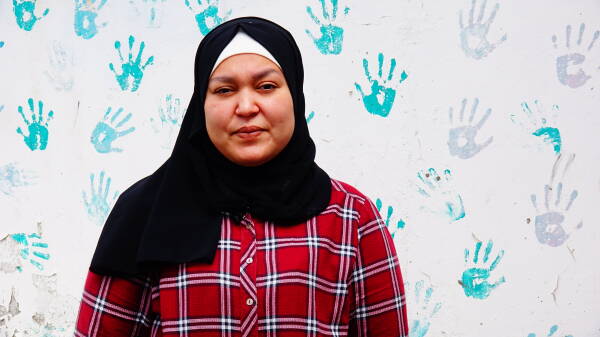
Meanwhile, Milya Mano, who closely follows the negotiations between the Syrian Democratic Forces and Damascus, expressed concern over the absence of the women's file, stating: "The absence of the women's file from the negotiation table worries us."
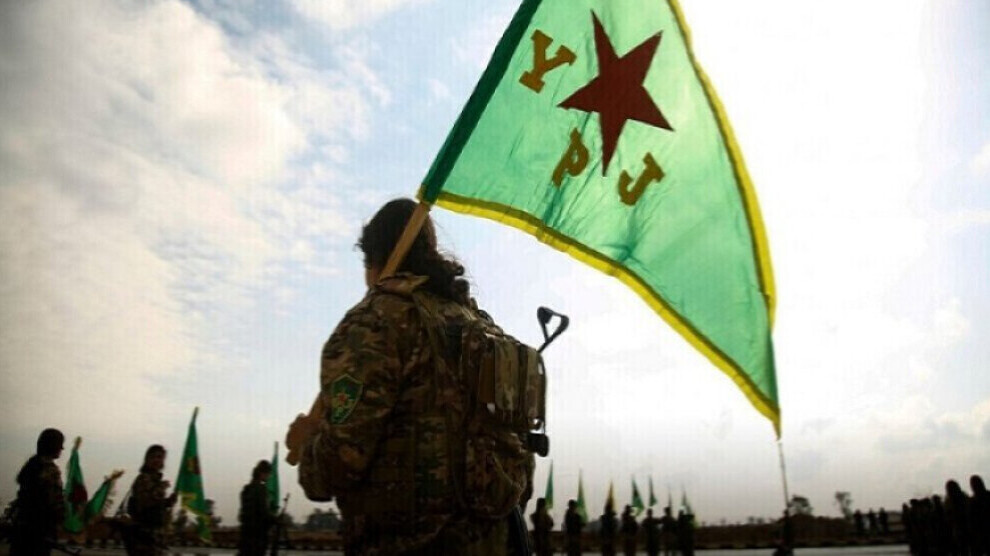
She affirmed: "At a time when countries were unable to fight ISIS on the ground, the Women's Protection Units fought and liberated the region from the most dangerous terrorist organization. But now, after all these sacrifices, the strength of the Women's Protection Units is not recognized. We consider this illegal and unacceptable."
In her view, any government that does not recognize the Women's Protection Units (YPJ) opposes democracy and equality: "In my opinion, the reason they do not recognize women's rights is their opposition to gender equality. But we are closely following every step resulting from the integration, and so far our fate as women is unclear."
'Rojava is the Key to Women's Freedom and Equality'
Milya Mano affirmed that the key to freedom, equality, and justice for women throughout Syria lies in Rojava: "If the interim government does not recognize this, then freedom, equality, and justice will not be achieved in Syria as a whole, and women will not enjoy their freedom."
She considers that "Rojava is a model to be emulated. It is essential not to overlook women's experiences and to benefit from the existing system. Therefore, it is necessary to recognize women's will and rights so that women facing violations and crimes can defend themselves."
A Message to the Women of Rojava and Syria
According to Milya Mano, the women of Rojava must protect their system. She also urged Syrian women to rise up and begin their struggle, and not to hand over their existence to a government that "plays with their destiny," as she described it.
She expressed confidence in women's will, calling on them to continue the struggle: "We will not surrender. We will protect the revolution for which we sacrificed our lives and established our organization. We will not stop our struggle even if we do not obtain our rights. We will remain like a dagger in the throats of those who underestimated Kurdish and Arab women. Syrian women must also rise up and begin the struggle, because there is no other solution: either they are recognized, or they will be recognized."